

Maintaining kidney health is a critical component of overall wellness, yet many common dietary habits and lifestyle choices can silently jeopardize renal function. Health experts are highlighting several key areas—from morning routines to dietary triggers—that can either protect or damage the kidneys over time.
The Importance of Early Morning Hydration
Starting the day with the right hydration can have a significant impact on the body’s internal systems. Experts recommend drinking water immediately upon waking to facilitate support the kidneys and improve blood circulation. This simple habit assists the body in flushing out toxins and preparing the circulatory system for the day ahead.
Further emphasizing the role of hydration, medical professionals suggest that keeping a glass of water by your bedside is more than just a convenience; it is a preventative measure. Ensuring easy access to water helps maintain hydration levels, which is essential for preventing various health complications and supporting organ function.
Dietary Risks and Kidney Stones
While hydration is a protective measure, certain dietary choices can increase the risk of developing kidney stones. Experts warn that consuming specific types of food can unknowingly elevate the risk of stone formation. Understanding these dietary triggers is essential for those looking to avoid the pain and complications associated with renal calculi.
Diabetes and the Risk of Kidney Failure
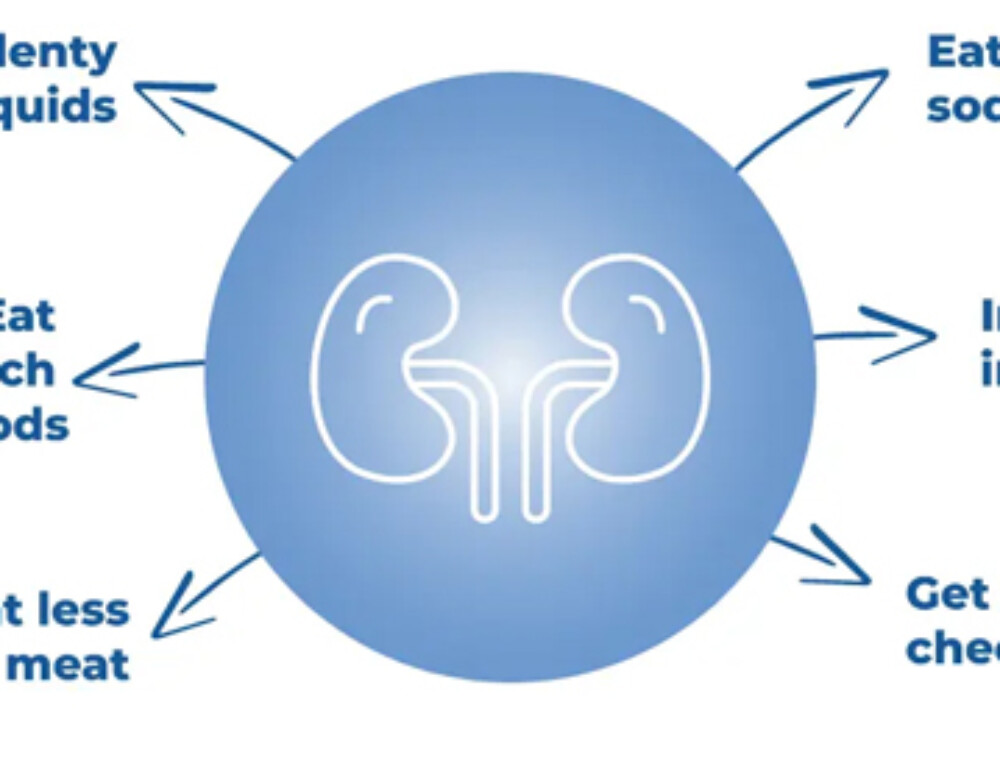
For individuals living with diabetes, dietary discipline is not just about blood sugar management but also about organ preservation. Medical warnings indicate that patients with diabetes who fail to correct poor eating habits may face a high risk of developing kidney failure. Because this decline in function can occur without obvious symptoms, consistent adherence to dietary guidelines is vital for preventing irreversible renal damage.
Hidden Dangers in Common Beverages
Beyond solid foods, the types of drinks we consume play a major role in long-term health. Specialists have cautioned against four specific categories of beverages that act as “silent threats,” potentially leading to severe diseases if consumed regularly. These warnings underscore the necessity of mindful consumption to protect the body from chronic illness.
By combining proactive hydration with cautious dietary choices, individuals can better safeguard their renal health and reduce the risk of systemic complications. These guidelines serve as a reminder that slight, daily adjustments in nutrition and hydration are fundamental to long-term public health and disease prevention.
