

The European used car market is facing increasing restrictions and selling a used vehicle may prove more complicated than anticipated. As acquiring a new car becomes increasingly challenging, the used car market appears to be following a similar trajectory. Europe continues to pursue strategies to accelerate the adoption of electric vehicles, and a new regulation poised to take effect this year could significantly impact the availability and cost of used cars.
Europe’s commitment to accelerating the transition to electric vehicles is evident in its policy decisions. Beyond the well-known ban on combustion engine vehicles slated for 2035 and future fleet quotas, new regulations currently under development may have a subtle but direct impact on the used car market.
Brussels has been working for three years on regulations concerning end-of-life vehicles, expected to come into force in 2026. Whereas the official aim is to strengthen the circular economy and improve recycling, the implications extend to both buyers and sellers of used cars, and have even drawn attention from classic car owners.
Selling a Used Car Will No Longer Be So Easy
Sources in Germany indicate that one of the most contentious points is Article 25 of the draft legislation. According to this article, any seller of a used car must prove that the vehicle is not considered “end-of-life.”
This requirement will apply to both domestic sales and exports, introducing a filter that could fundamentally alter the market. You'll see two ways to demonstrate that a vehicle is still roadworthy:
- Present a valid periodic technical inspection certificate.
- Provide an independent expert report.
The challenge lies with the second option. An assessment can cost several thousand euros, making it impractical for lower-value vehicles. In practice, many affordable used cars could be excluded from the market. Without one of these documents, the vehicle cannot be registered, re-registered, or exported.
The proposal includes an exception for transactions between individuals or close circles, although the scope of this exception remains unclear.
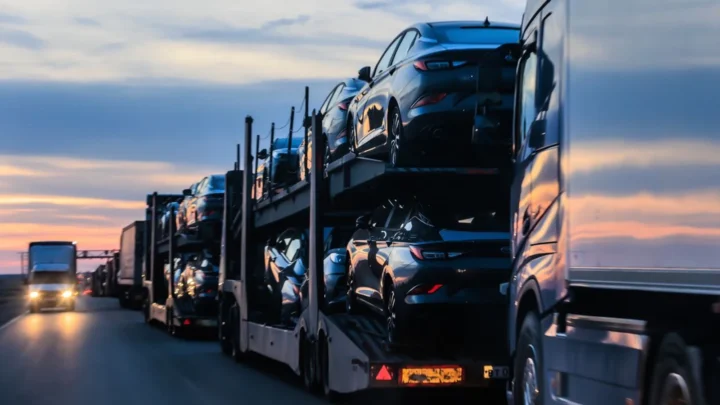
High Prices and Scarcity Hamper Access to the Used Car Market
The automotive sector has already raised concerns. If recoverable vehicles are prematurely classified as scrap, they could disappear from the used car market, reducing available supply and increasing prices, particularly in the more affordable segments.
If recoverable vehicles are classified as scrap prematurely, they will disappear from the market before time. The result will be an increase in the price of used cars, especially the more affordable ones.
said Thomas Peckruhn, president of the German ZDK association.
Currently, the regulations initially apply to passenger cars with a gross vehicle weight of up to 3.5 tons, covering the majority of the private vehicle market. However, Brussels is already considering a possible gradual expansion to other segments, such as commercial vehicles, buses, and motorcycles, suggesting a much broader reach in the medium term.
This scenario also has a direct impact on accessibility. If the used car market shrinks due to the new requirements, access to a car could become more difficult for those who rely on used vehicles as a more affordable alternative to new models, including electric vehicles, which remain expensive.
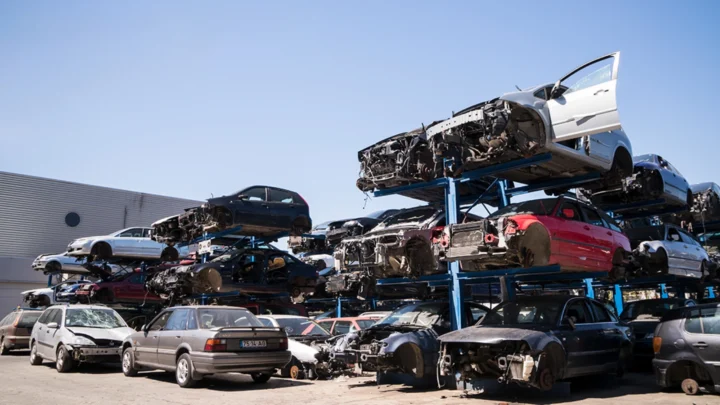
A Quiet Shift That Will Affect Millions of Drivers
If a car can still operate safely with proper maintenance, forcing it into retirement prematurely not only affects the owner’s finances but also contradicts the sustainability principles that the European Union itself promotes.
The new regulations appear to be positioned at this point of tension: they control recycling and prevent the export of vehicles in poor condition, but could incentivize the premature scrapping of cars in perfectly working order.
Although still under development, this legislation has the potential to profoundly transform the used car market in Europe. What is currently a straightforward transaction – buying or selling a used car – could become a more expensive, bureaucratic, and restrictive process.
As the race for electric vehicles intensifies, even used cars may end up being part of the problem… or part of the solution.
