
Concerns are growing over the direction of the European Union, with some observers warning of a potential path towards economic instability. The debate centers on increased military spending, ongoing conflicts, and the potential for a two-tiered system within the bloc, particularly as it considers expanding membership.
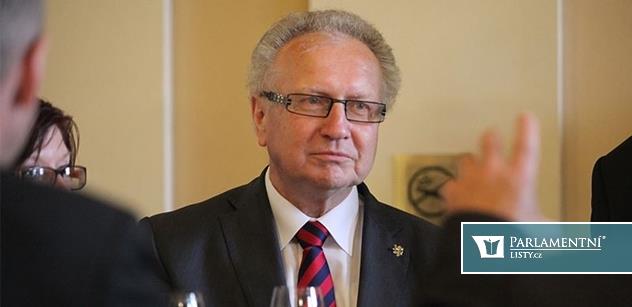
Former President of the Czech Agrarian Chamber, Jan Veleba, recently voiced his concerns, echoing the views of Professor Jan Keller, who described the EU’s current trajectory as “assisted suicide.” Veleba, in a commentary published on March 10, 2026, highlighted what he sees as a dangerous course for the Union.
Keller’s analysis focuses on three key areas: rising defense expenditures, the impact of conflicts like the war in Ukraine and associated sanctions, and the possibility of a two-speed Europe. He argues that the focus on increasing military spending primarily benefits arms manufacturers and does little to genuinely enhance security, pointing to historical precedents.
The economic consequences of ongoing conflicts and sanctions are likewise a major point of contention. Keller suggests these measures are leading the EU towards economic self-destruction, a process he believes is exacerbated by a reluctance to openly discuss the potential for economic collapse.
Veleba illustrated this point with an example from the Czech agricultural sector, noting discrepancies in reported self-sufficiency rates for eggs. Although official figures suggest 80 percent self-sufficiency, the actual rate is between 57 and 60 percent, with the remainder imported from countries like Lithuania, Poland, and Ukraine. He pointed out that the decline in local egg production, coupled with the phasing out of caged hen farming, has increased reliance on imports.
Ukraine’s Potential Membership
A key driver behind these potential shifts within the EU, according to Veleba, is the prospect of Ukraine joining the bloc. He suggests that Ukraine’s abundant supply of cheap labor, natural resources, and significant investment needs are influencing the discussion. The potential for Russia to become a neighbor of the EU following a resolution to the conflict is also a factor, with some speculating that this may explain why Russian President Vladimir Putin is not actively pursuing an conclude to the war.
Veleba believes the EU has entered a critical period and that fundamental reforms are necessary. He questions whether the current leadership, headed by European Commission President Ursula von der Leyen, is capable of implementing these changes, suggesting that a personnel overhaul should be the first step. The development underscores the complex challenges facing the EU as it navigates geopolitical tensions and economic pressures.
Jan Veleba
exprezident Agrární komory ČR a člen Klubu 2019
