
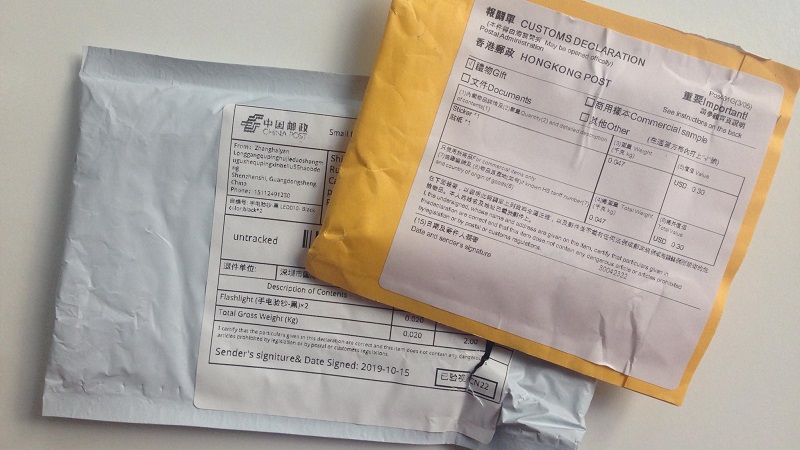
The European Union has moved to end customs exemptions for online purchases under €150 imported from outside the bloc, a change expected to increase the cost of goods from platforms like Temu, Shein, and AliExpress for European consumers.
The decision, formally approved by the EU Council, is part of a broader effort to modernize the European customs system and adapt to the rapid growth of cross-border e-commerce. The move comes as consumer reliance on international online shopping continues to rise, prompting a reevaluation of existing trade policies.
What Changes for Online Shoppers?
- End of Customs Duty Exemptions
- Previously, packages valued at €150 or less entered the European market without being subject to border taxes, giving retailers outside the EU a competitive advantage.
- Modern Fixed Fee of €3 Per Item
- To bridge the gap until a new customs data system is fully operational, the EU has decided to apply a provisional customs fee of €3 per item contained in packages valued at €150 or less, starting July 1, 2026.
- Which means that if a single package contains multiple products of different categories, the final cost could increase further.

European institutions argue that the previous system, which allowed thousands of small packages to enter without taxes, created:
- Unfair Competition for sellers within the EU, who already pay standard tariffs and taxes.
- Risks of Fraud and Undervaluation of Shipments, a problem exacerbated by the growth of low-cost e-commerce.
- Pressure on Customs Enforcement, with millions of small packages arriving daily.
this temporary €3 solution aims to balance the market while the EU prepares to eliminate the exemption entirely. This means that in the future, all goods imported into the EU may be subject to customs duties from the first euro, regardless of the order value. This development underscores the EU’s commitment to fair trade practices and revenue collection in the digital age.
this change does not replace or eliminate the Value Added Tax (VAT) that was already charged at the point of sale or upon arrival of packages – something many consumers are already accustomed to paying for orders coming from outside the EU, even before these customs duties take effect.
