
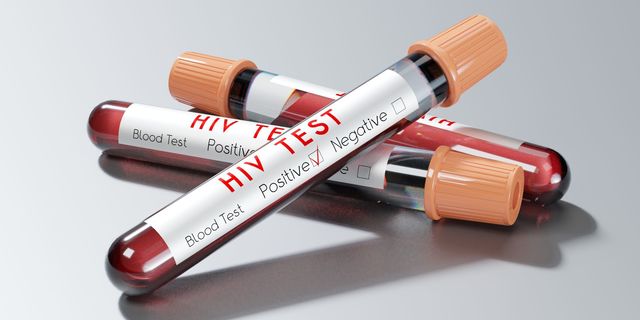
A new report from the European Center for Disease Prevention and Control (ECDC) reveals that many European nations are lagging in the diagnosis of HIV and viral hepatitis, perhaps undermining public health efforts to control these widespread infections. The analysis, covering EU member states plus Iceland, Liechtenstein, and Norway, highlights significant gaps in testing policies and access, despite the critical importance of early detection for effective treatment and prevention. These findings come as health officials globally continue to address persistent challenges exacerbated by the COVID-19 pandemic, which diverted resources from routine screenings and care[[1]].
Many European countries are falling behind in the timely detection of HIV and viral hepatitis infections, according to a new report from the European Centre for Disease Prevention and Control (ECDC). Early diagnosis is critical for effective treatment and preventing further spread of these potentially serious diseases, highlighting an ongoing public health challenge.
The ECDC study, which analyzed data from European Union member states, as well as countries within the European Economic Area (EEA), Iceland, Liechtenstein, and Norway, revealed that testing policies for HIV, hepatitis B, and hepatitis C are often outdated and do not align with recommendations issued in 2018. These guidelines were designed to accelerate access to treatment and limit transmission, recognizing that symptoms can take years to develop.
As of 2023, over 650,000 people in the region have been diagnosed with HIV, with nearly 25,000 new cases reported that year alone. An estimated 5.4 million people are living with chronic hepatitis B or C.
The analysis showed that, among the 26 countries with available data, 92% of individuals with HIV are diagnosed. However, more than half of these cases are identified late – often three to five years after initial infection. This delay significantly increases the risk of severe complications, mortality, poor treatment outcomes, and transmission to others.
A similar pattern exists for hepatitis B and C, where many patients only discover their infection after developing serious complications like cirrhosis or liver cancer.
Global health objectives aim for 95% of people with HIV and 60% of those with chronic hepatitis B or C to know their status, enabling timely access to care. The ECDC believes the HIV target is achievable in the coming years, but reaching the hepatitis goal will be considerably more difficult.
Access to testing varies significantly across Europe. HIV screening is free in 24 countries, while hepatitis testing is free in only 17. Just 22 European nations have a national plan specifically dedicated to combating viral hepatitis, and over half haven’t updated their testing recommendations for HIV or hepatitis since 2018.
The report emphasizes the need for increased screening among high-risk groups, including men who have sex with men, people who inject drugs, transgender individuals, and those incarcerated.
HIV and hepatitis B are commonly transmitted through contact with infected bodily fluids, particularly during sexual contact. Hepatitis C is most often spread through blood, including in unsafe medical settings or through shared needle use.
International health authorities have previously warned that Europe is at risk of failing to meet its targets for HIV, hepatitis, sexually transmitted infections, and tuberculosis without substantial investment in public health. The findings underscore the importance of sustained efforts to improve prevention, diagnosis, and treatment across the region.
