
The European Union embarks on an ambitious carbon capture and storage initiative through a revolutionary maritime project. This groundbreaking vessel will transport liquefied carbon dioxide from industrial sources to permanent underground storage sites beneath the North Sea. The ship represents a significant leap forward in addressing climate change challenges while creating new opportunities for sustainable development goals.
Unlike traditional cargo vessels carrying oil or containers, this specialized ship handles compressed CO₂ maintained at minus 50 degrees Celsius and seven bars of pressure. The innovative approach transforms captured greenhouse gases into manageable cargo that can be safely transported across European waters. This maritime solution addresses multiple pollution sources simultaneously, from vehicular emissions to industrial waste streams.
Technical specifications and storage capacity challenges
Table of Contents
The vessel’s design incorporates advanced cryogenic technology to maintain CO₂ in liquid form throughout transport. Specialized isothermal tanks with reinforced walls prevent temperature fluctuations that could compromise cargo integrity. Engineers adapted decades of experience from methane and chemical tanker construction to create this unique storage system.
Royal Niestern Sander shipyard completed construction in the Netherlands, with the baptism ceremony held on May 14, 2025. The event garnered significant attention, demonstrating Europe’s commitment to carbon capture solutions. Sensor networks throughout the vessel monitor pressure, temperature, and potential leakage points continuously.
Initial capacity targets 400,000 tons annually, though operators plan expansion to eight million tons by 2030. This ambitious scaling represents approximately two percent of France’s current annual emissions. The following challenges required innovative solutions :
- Preventing corrosion from acidic CO₂ exposure
- Maintaining perfect circuit sealing under extreme conditions
- Ensuring cargo stability during rough sea conditions
- Managing thermal regulation systems efficiently
Financial backing exceeds 140 million euros through combined private investment and European public funding. These resources support not only vessel construction but also port infrastructure development and long-term monitoring systems.
Denmark’s strategic positioning in carbon storage markets
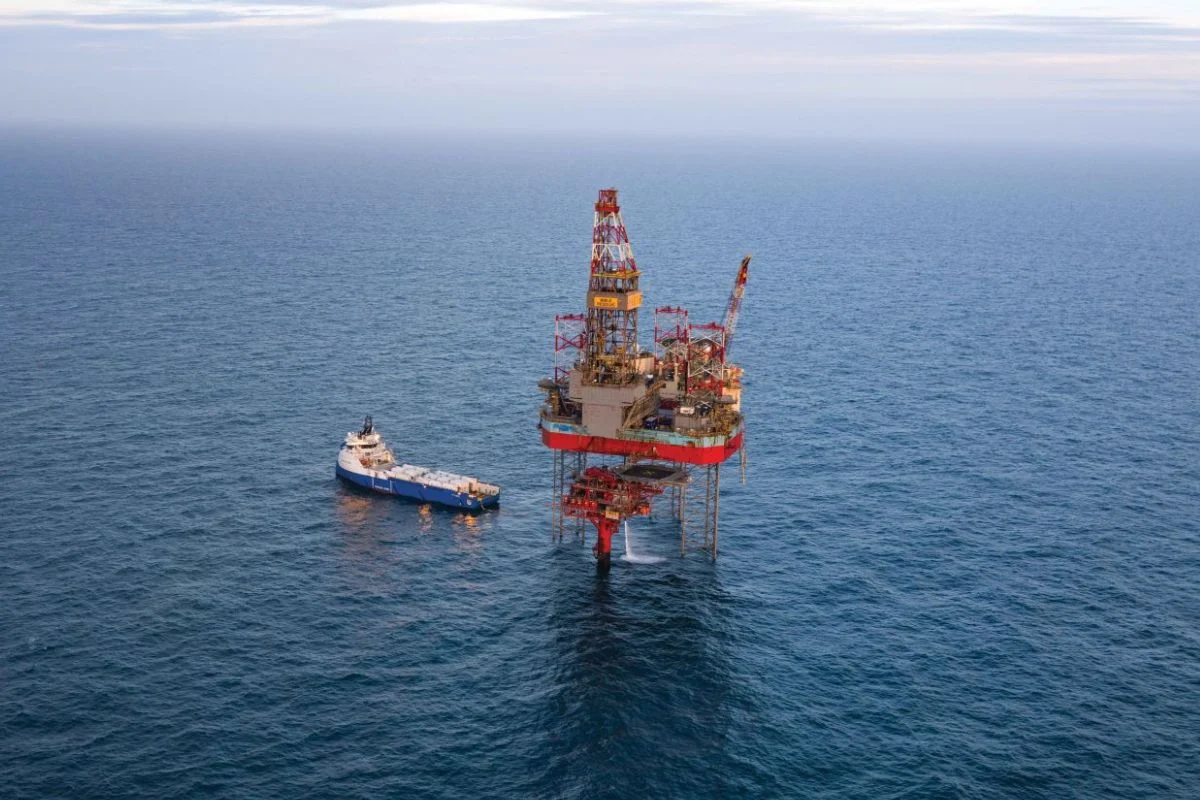
Denmark emerges as Europe’s carbon storage pioneer through favorable geological conditions and progressive energy policies. Depleted petroleum reservoirs provide well-mapped underground storage sites with proven containment capabilities. The Nini West platform in Danish North Sea waters serves as the primary injection point.
Administrative procedures moved faster in Denmark compared to neighboring countries due to public support for carbon storage initiatives. This efficiency enabled rapid project development and partnership formation. The country leverages existing petroleum infrastructure, repurposing oil extraction platforms for carbon injection operations.
| Project Phase | Storage Capacity | Timeline | Investment Required |
|---|---|---|---|
| Initial Phase | 400,000 tons/year | 2025-2027 | €140 million |
| Expansion Phase | 8 million tons/year | 2028-2030 | Additional funding TBD |
The geological formations targeted previously contained hydrocarbons for millions of years, suggesting excellent sealing properties for CO₂ storage. Injection depths exceed 1,800 meters below the seabed, ensuring permanent sequestration. Engineers monitor pressure levels and potential upward migration continuously.
Denmark’s strategic approach creates opportunities for regional leadership in carbon management. The country positions itself as a European hub for capture and storage operations, attracting international partnerships and technological expertise. This initiative addresses various pollution sources, including waste-related emissions from industrial processes.
European CCS networks and competing projects
The Greensand project operates alongside several major European carbon capture initiatives. TotalEnergies leads the Northern Lights project in Norway, partnering with Equinor and Shell for large-scale storage operations. This Norwegian facility already stores 1.5 million tons annually, with expansion planned to five million tons by 2028.
Northern Lights utilizes underground reservoirs 2,600 meters below the seabed near Øygarden coast. Since September 2024, the facility receives CO₂ from Heidelberg Materials’ cement plant and other European industrial sources. Investment decisions for phase two were finalized in March 2025, demonstrating growing confidence in CCS technology.
These projects complement renewable energy initiatives, including hydraulic power systems and alternative fuel development. The maritime transport approach differentiates Greensand from pipeline-based competitors, offering flexibility for remote industrial sources.
Alternative fuel research continues parallel to carbon storage development. Biogas applications provide additional pathways for emission reduction across multiple sectors. These complementary approaches address different aspects of decarbonization challenges.
International cooperation extends beyond European borders, with learning exchanges addressing global pollution issues. Experience from projects like Northern Lights informs development strategies for regions facing severe environmental challenges, including areas dealing with industrial pollution concerns.
Scaling carbon transport solutions across European markets
The success of maritime CO₂ transport depends on creating integrated supply chains from capture to storage. Industrial facilities must install capture equipment, compress gases, and coordinate shipping schedules. Port infrastructure modifications enable safe loading and unloading operations for hazardous cargo.
Economic viability requires substantial volume commitments from multiple industrial sources. Steel, cement, and chemical manufacturers represent primary customers for these services. Carbon pricing mechanisms and regulatory frameworks drive demand for permanent storage solutions.
Environmental monitoring systems track storage integrity over decades, ensuring no leakage occurs from underground reservoirs. Long-term surveillance protocols include seismic monitoring, pressure measurements, and chemical analysis of surrounding formations. Resource conservation principles, including water management techniques, apply to all operational aspects.
The project transforms CO₂ from industrial waste into manageable cargo, creating new economic opportunities while addressing climate goals. This innovative approach demonstrates how maritime expertise adapts to emerging environmental challenges, potentially revolutionizing carbon management across Europe.
