
Explosives Discovered Near Balkan Stream Pipeline, Sparking High Alert in Serbia and Hungary
Serbian and Hungarian authorities have been placed on high alert following the discovery of powerful explosive devices near the Balkan Stream pipeline, a critical piece of energy infrastructure that transports Russian natural gas into Central Europe. The incident has triggered an immediate security response and ignited political friction between the Hungarian government and opposition leaders.
According to reports, Serbian police and military units located two backpacks containing strong explosives and remote activation mechanisms near a compressor station close to the Serbian town of Kanjiža. The recovery operation was extensive, involving the deployment of ground pyrotechnic teams, drones and helicopters to secure the area. Serbian President Aleksandar Vučić confirmed the discovery, noting that while certain leads are being pursued, specific details regarding the investigation remain confidential.
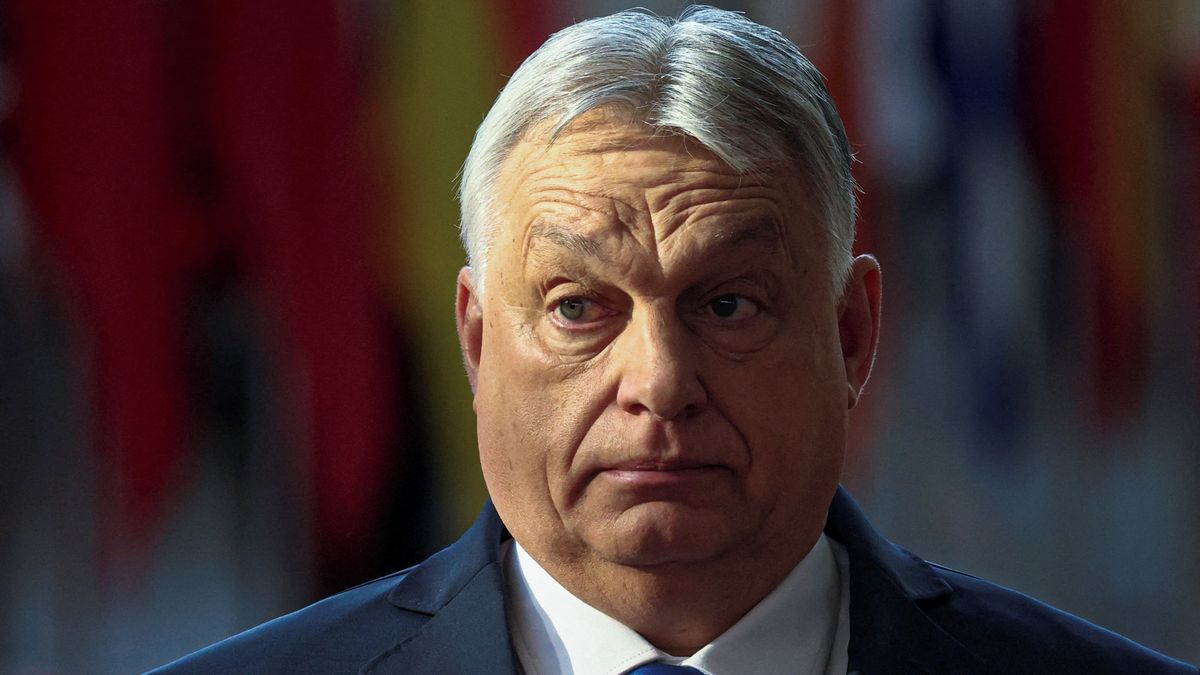
The discovery prompted an immediate diplomatic call between President Vučić and Hungarian Prime Minister Viktor Orbán. In response to the threat, Orbán convened an emergency meeting of Hungary’s state security council to coordinate a heightened security posture. The discovery of explosives near the pipeline underscores the strategic vulnerability of energy corridors in the region.
The Balkan Stream is a vital extension of the TurkStream system, routing Russian gas through Turkey and Bulgaria before entering Serbia and Hungary. Both nations remain heavily dependent on these Russian energy supplies, making the pipeline a cornerstone of their national energy security. This incident follows a pattern of regional tension over energy infrastructure; Prime Minister Orbán has previously asserted that Ukraine was responsible for the 2022 sabotage of the Nord Stream pipelines.
However, the event has drawn sharp criticism from Hungary’s political opposition. Péter Magyar, leader of the Tisza party and a frontrunner in upcoming elections, characterized the incident as a “fake provocation.” Magyar claimed that information had surfaced weeks prior suggesting a staged event would occur around the Easter holiday, alleging that the situation was orchestrated by Russian advisors to create panic and chaos. He urged Orbán to stop using the incident to sow fear, stating that such tactics would not prevent the upcoming elections.
While the motives behind the placement of the explosive-filled backpacks remain unknown, the development highlights the precarious nature of energy diplomacy in Eastern Europe. The event may further complicate regional security dynamics as nations balance their energy needs against growing geopolitical instability.
The situation remains fluid as security forces continue to monitor the border region. Further details are expected as the Serbian and Hungarian governments conclude their security reviews. More updates on the potential false-flag attack and the subsequent investigation will be provided as they emerge.
For further discussion on the Balkan Stream security breach, regional analysts are pointing to the broader implications for European energy independence and the increasing risk of hybrid warfare targeting critical infrastructure.
The discovery of explosives near the border serves as a stark reminder of the fragile security environment surrounding the pipelines that fuel much of the continent.
