
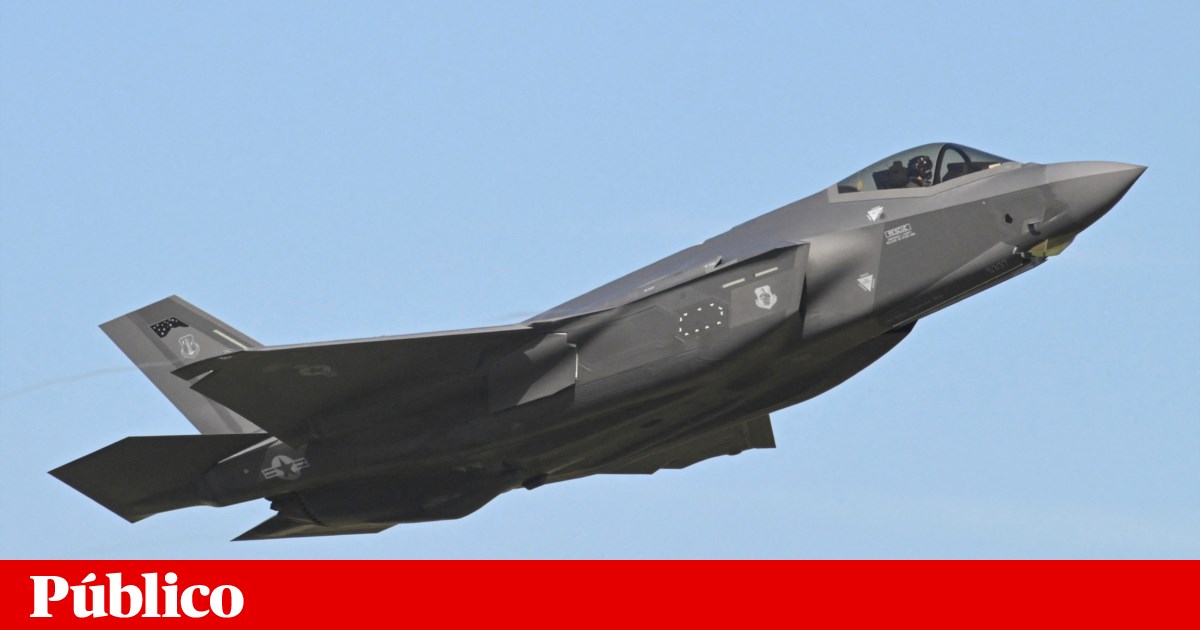
The Lockheed Martin F-35 Lightning II, often described as a flying computer, is facing critical software integration challenges that are impacting its operational readiness as global conflicts escalate. Recent reports from U.S. Authorities indicate difficulties in implementing the vital Technology Refresh 3 (TR-3) software update, coinciding with increased demand for the aircraft in response to the conflict in Iran.
The TR-3 update is intended to serve as the foundation for the more ambitious “Block 4” upgrade, which promises to equip the fighter jet with new sensors and precision weaponry capabilities. Still, the U.S. Government Accountability Office (GAO) has highlighted that integrating the new hardware with the software has proven more complex than anticipated.
This situation has created a technical paradox: while Lockheed Martin continues to deliver aircraft, many are leaving the assembly line with provisional software versions. These versions allow pilots to conduct training flights, but full combat capabilities remain unavailable until the final code is deemed stable and secure.
The financial implications are substantial. The total cost of the F-35 program is projected to exceed $1.7 trillion (approximately €1.6 trillion) over its lifecycle. According to data shared by the GAO, delays in the TR-3 update have already resulted in additional costs amounting to hundreds of millions of dollars, reflecting the challenges of modernizing such a complex platform in a timely manner.
Artificial intelligence and advanced data analysis are crucial to the success of this stealth fighter, but the reliance on complex algorithms makes each update a monumental engineering challenge. Defense officials are now prioritizing ensuring that the hardware installed in new aircraft does not become obsolete before the software is ready for apply in real-world missions.
Portugal’s Future Air Force
Portugal is also planning to acquire the Lockheed Martin fighter jet, with the Chief of Staff of the Air Force, General João Cartaxo Alves, reiterating that the F-35 is the logical and necessary choice to replace the current fleet of F-16s, which are nearing the end of their service life. This modernization process, integrated into the strategic planning of the Portuguese Armed Forces, aims to ensure interoperability with NATO allies in the coming decades.
However, the Minister of National Defense, Nuno Melo, has indicated that the decision should also consider European sovereignty and the reliability of allies, alluding to geopolitical tensions and uncertainty surrounding the future of U.S. Foreign policy. Lisbon is keeping its options open to alternatives from the European continent, including the Saab JAS 39 Gripen, the Eurofighter Typhoon, or the Rafale, and is not ruling out analyzing a mixed solution or strengthening the European industrial base. The development underscores the complex considerations facing European nations as they seek to modernize their air forces amid shifting global alliances.
