

Addressing Misinformation: The Truth About Cancer Mortality Rates
In an era of rapid information sharing, health misinformation can create unnecessary panic. Recent claims suggesting that the mortality rate for cancer patients is as high as 97% have been identified as false. Such inaccuracies can distort the public’s understanding of the disease and the effectiveness of modern medical interventions.
Understanding Cancer and Survival
Cancer is a broad term encompassing a variety of diseases characterized by the rapid growth of abnormal cells that can invade nearby tissues and spread to other organs, a process known as metastasis. According to the World Health Organization (WHO), widespread metastasis is the primary cause of cancer-related deaths.
The reality of cancer prognosis is far more nuanced than a single percentage. Many forms of the disease can be cured if they are detected early and treated effectively. This underscores the critical importance of early screening and timely medical intervention for improving patient outcomes.
Global Impact and Common Types
The global burden of cancer remains significant. In 2020, the disease accounted for nearly 10 million deaths, representing approximately one in six deaths worldwide. The most frequent types of cancer in terms of new cases in 2020 included:
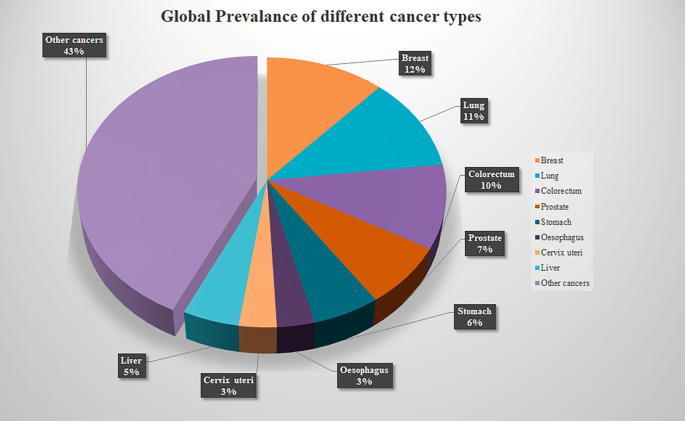
- Breast cancer (2.26 million cases)
- Lung cancer (2.21 million cases)
- Colon and rectum cancer (1.93 million cases)
- Prostate cancer (1.41 million cases)
- Non-melanoma skin cancer (1.20 million cases)
- Stomach cancer (1.09 million cases)
When examining mortality, the most common causes of cancer death in 2020 were lung cancer (1.80 million deaths), followed by colon and rectum (916,000), liver (830,000), stomach (769,000), and breast cancer (685,000).
Risk Factors and Prevention
Public health data indicates that a significant portion of cancer deaths are preventable. Approximately one-third of these deaths are linked to modifiable risk factors, including tobacco use, high body mass index, alcohol consumption, low intake of fruits and vegetables, and physical inactivity. Air pollution is a recognized risk factor for lung cancer.
In low- and lower-middle-income countries, about 30% of cancer cases are attributed to cancer-causing infections, such as hepatitis and human papillomavirus (HPV). These findings highlight how targeted prevention strategies and lifestyle modifications can significantly reduce the global cancer burden.
