
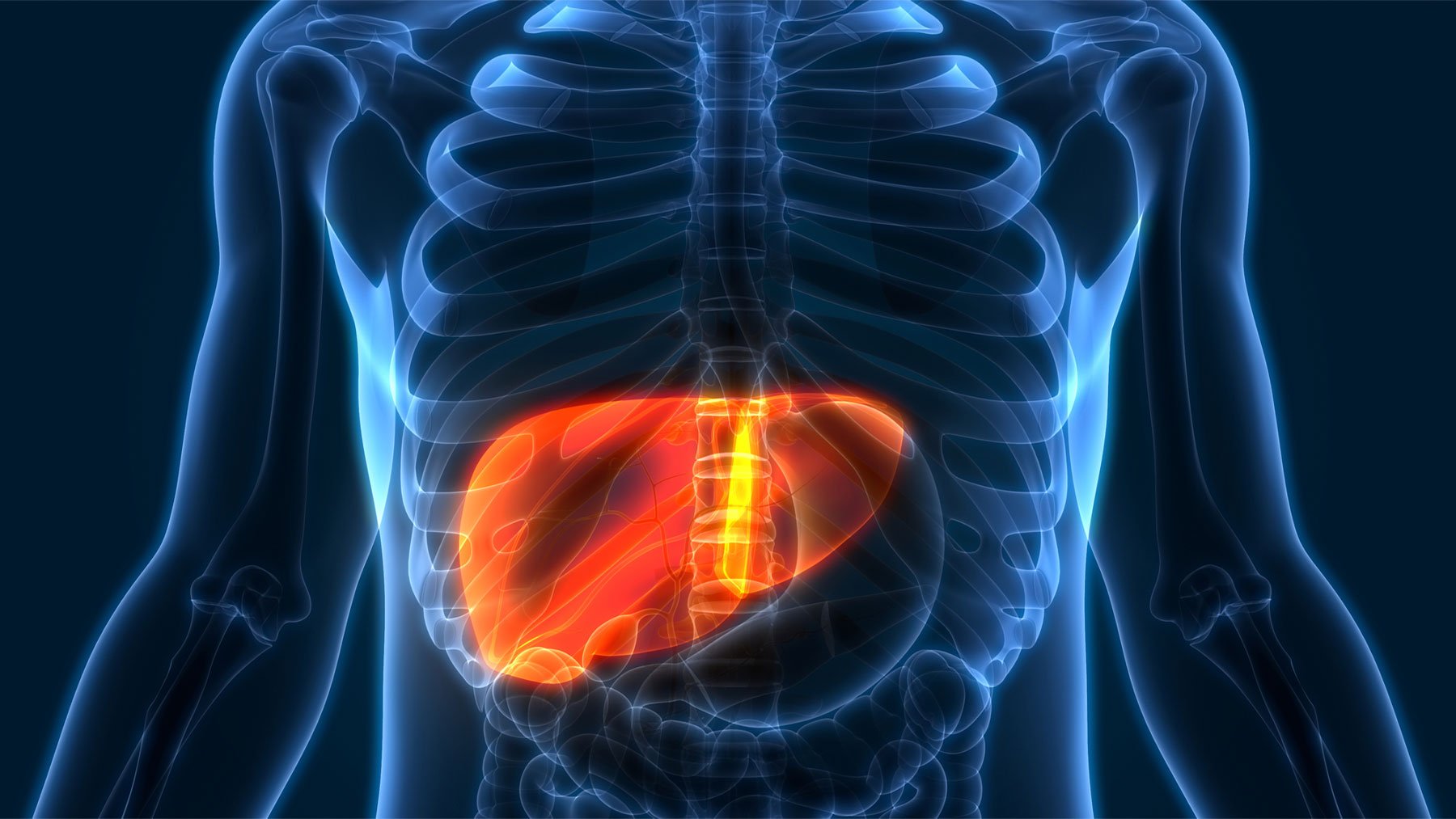
A diet high in fat may significantly increase the risk of liver cancer, according to a new study from the Massachusetts Institute of Technology (MIT). The research, published in Cell, sheds light on how high-fat diets can fundamentally alter liver cells, potentially leading to the development of cancer. Understanding these mechanisms is crucial for public health, as liver cancer rates are rising globally.
Researchers discovered that repeated exposure to a high-fat diet causes mature liver cells, known as hepatocytes, to undergo a significant transformation. Instead of maintaining their specialized function, these cells revert to a more primitive state, resembling stem cells. This change allows them to better withstand the stress caused by excess fat, but over time, it also increases their vulnerability to cancer.
“If cells are forced to deal with a stressful factor, like a high-fat diet, over and over again, they will do things that facilitate them survive, but at the risk of increased susceptibility to tumorigenesis,” said Alex K. Shalek, a co-author of the study, in a statement.
The research team also identified several transcription factors that appear to regulate this cellular shift. These factors could potentially serve as targets for future drug development aimed at reducing tumor formation in individuals at higher risk.
Fatty Liver Disease
A diet rich in fats can lead to inflammation and fat accumulation in the liver, a condition known as hepatic steatosis or fatty liver disease. This condition can also arise from long-term metabolic stress, such as excessive alcohol consumption, and can progress to cirrhosis, liver failure, and cancer.
In this study, researchers aimed to understand how liver cells respond at a molecular level when exposed to a high-fat diet, focusing on which genes become more or less active as the stress continues. To investigate this process, the team fed mice a high-fat diet and used single-cell RNA sequencing to analyze liver cells at key stages of disease development. This approach allowed them to track changes in gene activity as the animals progressed from liver inflammation to tissue scarring and, eventually, cancer.
In the early stages, hepatocytes began activating genes that help cells survive in adverse conditions. These included genes that reduce the likelihood of programmed cell death and promote continued cell growth. Simultaneously, genes essential for normal liver function, including those involved in metabolism and protein secretion, were gradually deactivated.
“This really looks like a trade-off, prioritizing what is good for the individual cell to stay alive in a stressful environment, at the expense of what the collective tissue should be doing,” said Constantine Tzouanas, a former MIT postdoctoral researcher and co-author of the study.
Some of these genetic changes occurred rapidly, while others developed more slowly. The decrease in the production of metabolic enzymes, for example, unfolded over a longer period. By the end of the study, nearly all of the mice fed a high-fat diet had developed liver cancer.
Researchers found that when liver cells exist in a less mature state, they are more likely to become cancerous if a harmful mutation occurs. “These cells have already activated the same genes that they will need to become cancerous. They’ve already moved away from the mature identity that would otherwise reduce their ability to proliferate. Once a cell gets the wrong mutation, it jumps into action and has already gotten a head start on some of the hallmarks of cancer,” Tzouanas explained.
The study also highlighted several genes that appear to coordinate the return to an immature cellular state. Notably, a drug targeting one of these genes – the thyroid hormone receptor – has recently been approved to treat a severe form of fatty liver disease known as MASH fibrosis. A medication that activates another enzyme identified in the study (HMGCS2) is currently being tested in clinical trials for fatty liver disease.
Another promising target discovered in the research is a transcription factor called SOX4. This factor is typically active during fetal development and in a limited number of adult tissues (excluding the liver), making its activation in liver cells particularly noteworthy.
Liver Disease and Human Health
After identifying these cellular changes, the researchers examined whether similar patterns were observed in humans with liver disease. They analyzed tissue samples from patients at different stages of the disease, including individuals who had not yet developed cancer.
The results closely mirrored the findings in mice. Over time, genes necessary for normal liver function decreased, while genes linked to immature cellular states increased. Researchers also discovered that these gene expression patterns could be used to predict patient survival.
“Patients with higher expression of these cell pro-survival genes, which are activated with a high-fat diet, survived for a shorter time after developing tumors. And if a patient presents with lower expression of genes that support the functions the liver normally performs, they also survive for a shorter time,” Tzouanas stated.
While mice developed cancer in approximately one year, researchers estimate that the same process in humans likely unfolds over a much longer period, potentially around 20 years. The exact timeframe can vary depending on diet and other risk factors, such as alcohol consumption and viral infections, which can also induce liver cell immaturity.
Reversing the Damage
The research team now plans to explore whether the cellular changes caused by high-fat diets can be reversed. Future studies will evaluate if returning to a healthier diet or using weight-loss medications, such as GLP-1 agonists (the well-known drugs for diabetes and obesity, like Ozempic), can restore normal liver cell function.
They also intend to further investigate whether the transcription factors identified in the study could serve as effective drug targets to prevent damaged liver tissue from progressing to cancer.
“Now we have all these new molecular targets and a better understanding of what underlies the biology, which could give us new angles to improve outcomes for patients,” Shalek confirmed.
