

Silent Threat: Rising Rates of Advanced Liver Disease Linked to Alcohol and Saturated Fats
Liver diseases are becoming an increasingly urgent public health crisis, with medical experts warning that a combination of poor diet and alcohol consumption is driving a surge in advanced cases, particularly among younger populations. This trend underscores a growing need for systemic changes in prevention and early detection to avoid a long-term healthcare burden.
Dr. Rafael Bañares, a Professor of Medicine and President of the Spanish Association for the Study of the Liver (AEEH), has called for liver diseases to be elevated to the forefront of healthcare priority. In an interview published March 15, 2025, Bañares argued that liver health should be viewed with the same urgency as cardiovascular health or oncology, noting that liver pathologies share a similar profile in terms of both severity and prevalence.
The current medical landscape often treats these conditions as “second division” priorities, a situation Bañares believes must be reversed through a comprehensive strategy that integrates institutional collaboration, research, prevention, and public awareness.
The “Silent” Progression of Fatty Liver
One of the most concerning aspects of liver disease is its stealthy onset. Metabolic fatty liver disease and increased alcohol consumption are emerging as primary threats, often progressing silently for years without the patient’s knowledge. According to Dr. Bañares, It’s estimated that nearly 30 percent of the population could develop some form of fatty liver in the future.
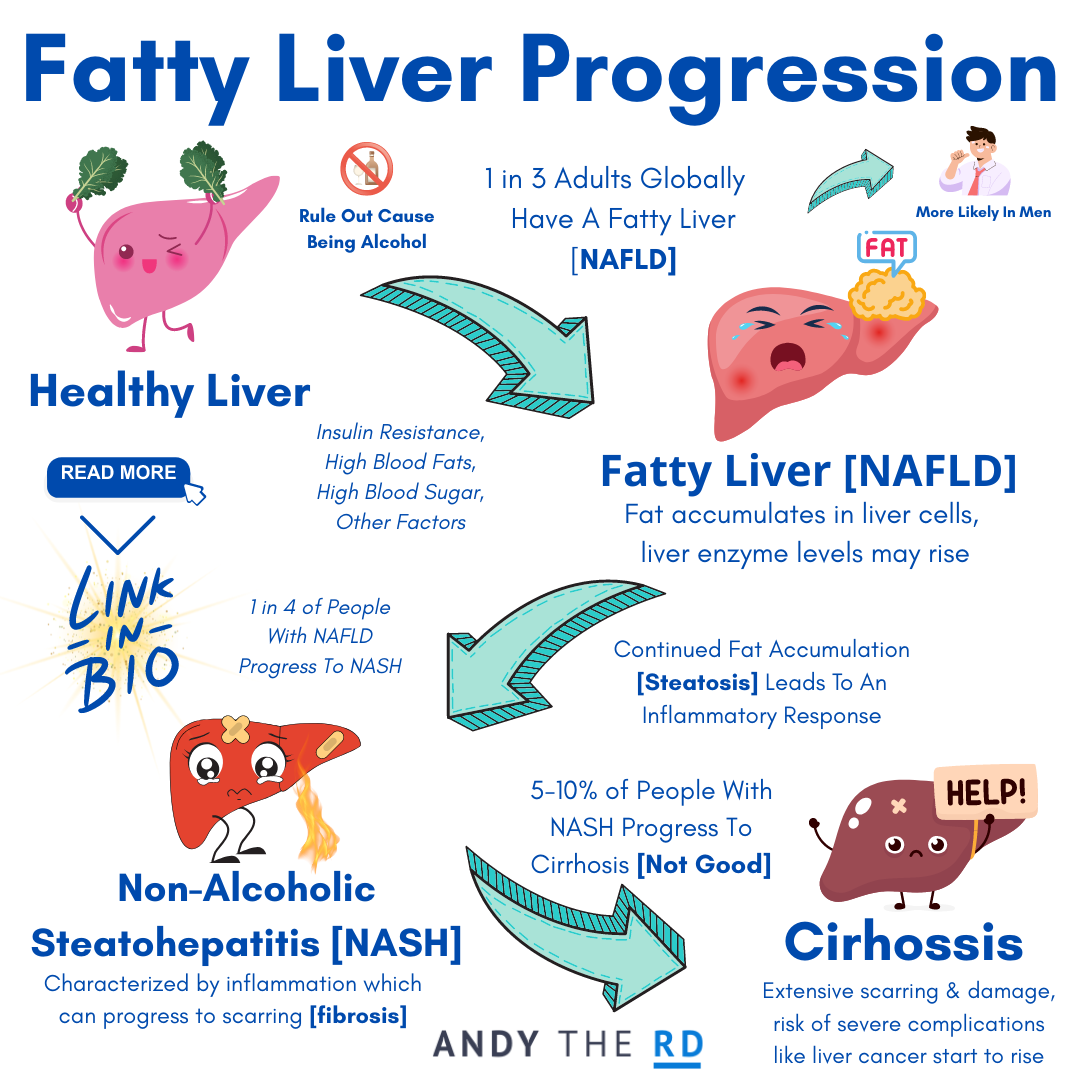
Because these conditions frequently lack early warning signs, they can advance to more severe stages before diagnosis. The impact of saturated fats and alcohol is expected to accelerate the number of advanced liver disease cases in the coming years.
Identifying the Warning Signs
While liver disease often remains hidden, there are critical symptoms that indicate a serious impairment of liver function. Medical professionals identify the following as common red flags:
- Yellowing of the skin (jaundice)
- Chronic fatigue
- Stomach pain
- Urine that is more yellow than normal
These symptoms typically appear when the liver’s normal functioning is significantly hindered by conditions such as hepatitis, cirrhosis, fatty liver, or, in the most severe instances, liver cancer.
The rise in these diagnoses among younger people highlights a critical shift in public health risks. By treating liver disease as a primary healthcare priority, experts hope to implement the necessary screenings and lifestyle interventions to halt the progression of these preventable conditions.
