
Fuente de la imagen, Getty Images
-
- Autor, Melissa Hogenboom*
- Título del autor, BBC Future
-
Tiempo de lectura: 6 min
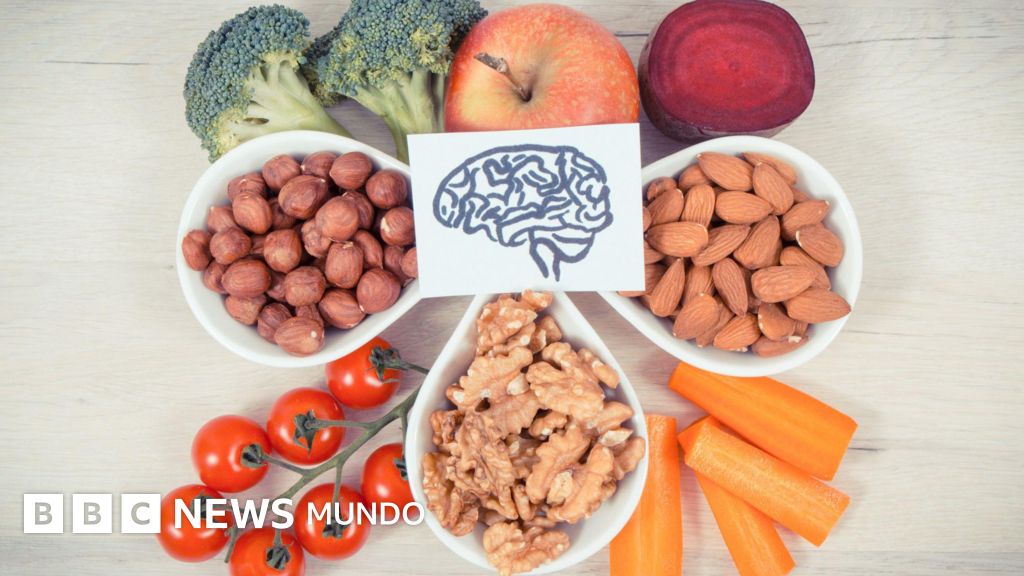
A diet rich in whole grains, fruits, legumes, nuts, and seeds – all sources of fiber – may have significant benefits for both the body and the brain.
Recent research suggests that fiber boosts the microbiome and influences the communication pathway between the gut and the brain, likewise known as the gut-brain axis, potentially slowing the symptoms of cognitive decline. Understanding the connection between diet and brain health is increasingly essential as populations age and neurodegenerative diseases become more prevalent.
Increasing fiber intake is one of the most effective dietary changes for cognitive health, according to Karen Scott, a professor of gut microbiology at the Rowett Institute, University of Aberdeen, in Scotland. Conversely, a lack of fiber has been identified as a significant dietary risk factor for poor health.
In the U.S., approximately 97% of men and 90% of women do not consume enough fiber, often getting less than half the recommended daily amount. More than 90% of adults in the United Kingdom also fall short, with similar deficiencies observed in many other countries.
So, why is fiber so beneficial, and how can we increase our intake?
How Fiber Works
Fiber is a carbohydrate that the digestive enzymes cannot easily break down. Most of it passes through the intestines largely unchanged.
It adds bulk to the stool, helps you sense fuller for longer, and, because it’s digested slowly, causes a more gradual rise in blood sugar levels. People who consume more whole grains daily have been shown to have a lower Body Mass Index and less abdominal fat than those who eat refined grains.
A fiber-rich diet may also help prolong life and should therefore be considered an essential nutrient, says John Cummings, emeritus professor of experimental gastroenterology at the University of Dundee, in Scotland.
A review co-authored by Cummings revealed that those who consumed the most fiber showed a 15-30% reduction in the risk of mortality compared to those who consumed the least.

Fuente de la imagen, Getty Images
Adequate fiber intake – around 30g per day, according to researchers – reduces the risk of coronary heart disease, stroke, type 2 diabetes, and colon cancer, translating to 13 fewer deaths per 1,000 people.
The greatest benefits were observed with a consumption of 25-29g of fiber per day.
To achieve this, you can incorporate fiber, such as portions of fruit or vegetables, into every meal and snack. For example, a baked potato with baked beans followed by an apple will provide around 15.7g of fiber. Eating nuts and seeds as a snack will also increase intake: a handful of nuts (about 30g) contains 3.8g of fiber.
The key to this impact is fiber’s relationship with the gut microbiome.
As our gut bacteria digest fiber, beneficial byproducts are produced, such as the short-chain fatty acids acetate, propionate, and butyrate.
These metabolic products provide essential energy for cells and are linked to significant reductions in mortality, Cummings explained.
How Fiber Protects the Brain
A diet rich in fiber is now also believed to be particularly important for brain health, Scott noted.
The presence of the butyrate fatty acid helps maintain the gut lining, she said, reducing the risk of harmful substances entering the bloodstream and affecting the brain.
This is how the gut microbiota can improve cognition. “The more fiber you eat, the more butyrate is produced, and therefore the better cognition can be preserved.”
A 2022 study of more than 3,700 adults found a lower risk of dementia among people with the highest fiber intake, while those with lower fiber consumption showed a greater risk.
Similarly, another study among adults over 60 found that those with diets richer in dietary fiber showed greater cognitive function.
While previous findings were correlations, a more recent randomized controlled trial with twin pairs also identified a causal relationship in fiber and cognition.
Those who consumed a daily prebiotic fiber supplement performed better on cognitive tests after three months, compared to those receiving a placebo.
Prebiotics are simple fibers that benefit gut bacteria and can be consumed as supplements.
Analysis of stool samples revealed that the fiber supplement altered the participants’ gut microbiome, with increased levels of beneficial bacteria, such as Bifidobacterium.
Mary Ni Lochlainn, a clinical professor of geriatric medicine at King’s College London, led the study and said that using diet to help improve brain and memory health in the older population is promising. “What’s interesting about the microbiome is its flexibility, and certain microbes seem to be positively associated with health.”
Fuente de la imagen, Getty Images
Ni Lochlainn is interested in learning how People can better harness the gut microbiome to improve age-related decline, both cognitive and physical.
“It’s an untapped resource and a relatively unexplored area that we’re learning much more about,” she said, adding that it could “facilitate healthy aging.”
Research also shows that higher levels of butyrate production have a positive effect on depression, improve sleep, and cognitive function. Butyrate-producing bacteria, for example, have been linked to increased well-being, as well as reduced mental illness.
Scott’s team recently found that patients with Alzheimer’s disease had higher levels of pro-inflammatory markers in their stool samples and lower levels of butyrate-producing bacteria, as well as less butyrate overall.
“This relates to the link between butyrate and the brain,” she said.
This was a correlational study, she noted, but also points to growing evidence that changes in our gut microbiome are linked to brain health.
How to Eat More Fiber
Research has shown that people with long and healthy lives have diverse gut microbiomes. A diet with diverse forms of fiber helps foster this diversity, Cummings said.
Given the wide variety of sources, such as nuts, fruits, and vegetables, it’s relatively uncomplicated to increase your intake.
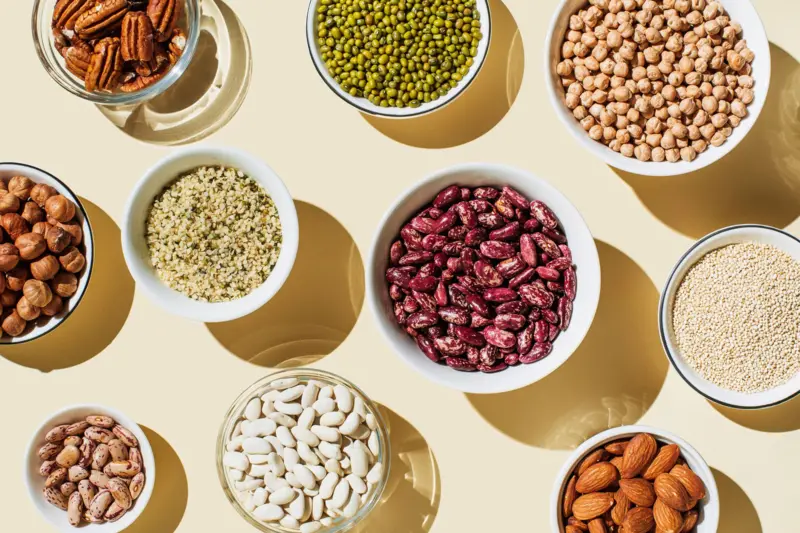
Increasing consumption of plant-based foods is an obvious step, especially legumes, as peas, beans, and lentils are rich in fiber. Some simple additions could include mashed chickpeas in pancake batter or adding peas to pasta dishes.
Switching from white bread and pasta to whole-grain varieties is another easy option.
If you prefer the taste of white pasta, mixing both makes the difference barely noticeable. Ensuring breakfast cereals are whole-grain helps.
Eating popcorn, apples, seeds, and nuts as snacks will further boost your fiber intake, as each food has different effects on health.
Fiber can also be found in supplements, which is particularly helpful for those who have difficulty chewing or swallowing, as may be the case for people with Parkinson’s disease.
The benefits of fiber are so great that, according to Scott, “increasing your intake is really the most beneficial thing” people can do for their overall health.
* Melissa Hogenboom is a senior health correspondent for BBC Global and author of Breadwinners.

Subscribe here to our new newsletter to receive a selection of our best content each Friday.
And remember you can receive notifications in our app. Download the latest version and activate them.
