

In collaboration with
Omrop Fryslân
February 18, 2026•
The flu epidemic in the Netherlands is continuing to spread. According to the National Institute for Public Health and the Environment (RIVM), 68 out of every 100,000 people in the Netherlands visited their doctor with flu-like symptoms last week. The previous week, that number was 62 per 100,000.
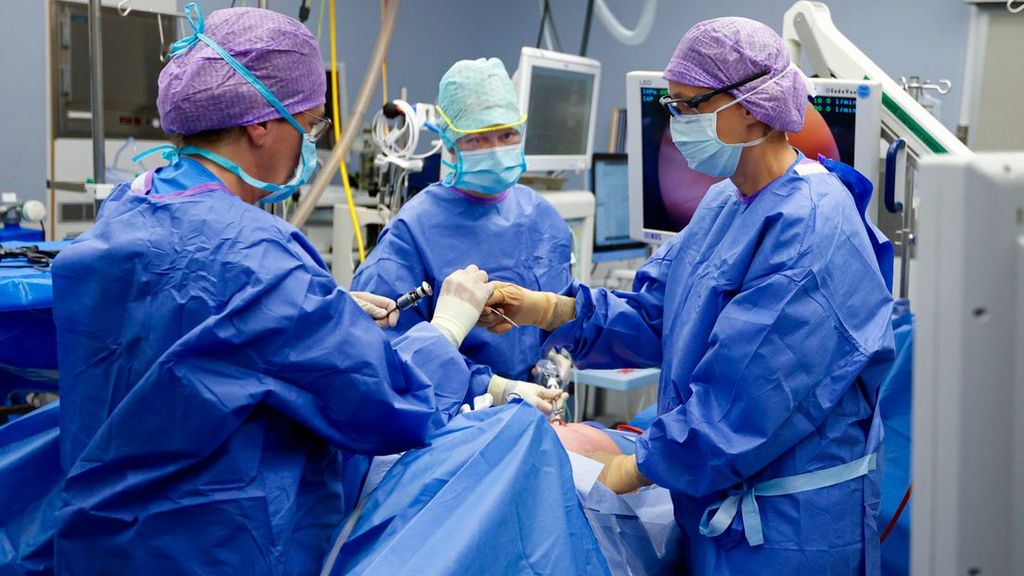
The epidemic is now causing increasing strain on hospitals across the country. Scheduled surgeries are being canceled in several locations.
This is currently the case at Frisius MC in Leeuwarden and Heerenveen. “We are clearly experiencing the impact of the flu epidemic sweeping through the country,” said Remko Seinstra of the Friesland hospital group, in an interview with Omrop Fryslân. “The hospital is very busy.”
The Meander Medical Center in Amersfoort is also unable to carry out all scheduled operations. “A crisis team meets every day to assess whether additional measures are needed to continue providing all necessary care,” the Amersfoort hospital stated to RTV Utrecht.
Last week, it was reported that the Jeroen Bosch Hospital in Den Bosch, the Albert Schweitzer Hospital in Dordrecht, and the Martini Hospital in Groningen were also postponing scheduled surgeries.
No Carnival
An epidemic is considered to be occurring when more than 46 out of 100,000 people visit their doctor for two consecutive weeks. This was the case last Wednesday. Acting Minister of Health Bruijn urged people with cold symptoms not to celebrate Carnival. “If you are sick, don’t go partying in the streets, because you will make everyone around you sick,” she said.
This proves unclear whether this advice has had an effect. The number of flu cases did increase slightly, as shown by samples analyzed in various laboratories. There were no more reports of flu cases than there were a year ago.
The RIVM believes the flu shot is effective. “Some variants of the flu viruses that are currently circulating differ somewhat from the viruses that this season’s flu vaccine was designed to protect against,” the institute states. “However, various studies from countries such as the United Kingdom and preliminary results from a European study display that the vaccine works about as well as in other years.”
In the Waiting Room
The epidemic is not only affecting the number of surgeries in hospitals. The flu wave is also noticeable in the emergency room. “What we do in a busy emergency room is carefully assess the urgency of the patient’s complaint. If it can wait, we will place the patient in the waiting room,” says Seinstra of Frisius MC. The increasing burden on healthcare systems during flu season highlights the importance of preventative measures.
The problem is exacerbated by the fact that no one is immune, including healthcare workers. “We are all in the flu wave, so our staff is also affected,” says Seinstra. “We are also seeing that our discharge to nursing homes is stalling, because there is also illness among the staff there. So that patient cannot exit and unintentionally stays in the hospital longer. Which also means we are running short on beds.”
