

Flu Vaccines Linked to Reduced Stroke Complications and Lower Dementia Risk
New medical research suggests that influenza vaccinations provide critical health benefits that extend far beyond protecting against respiratory infections, potentially reducing death risks for stroke survivors and lowering the likelihood of dementia in older adults.
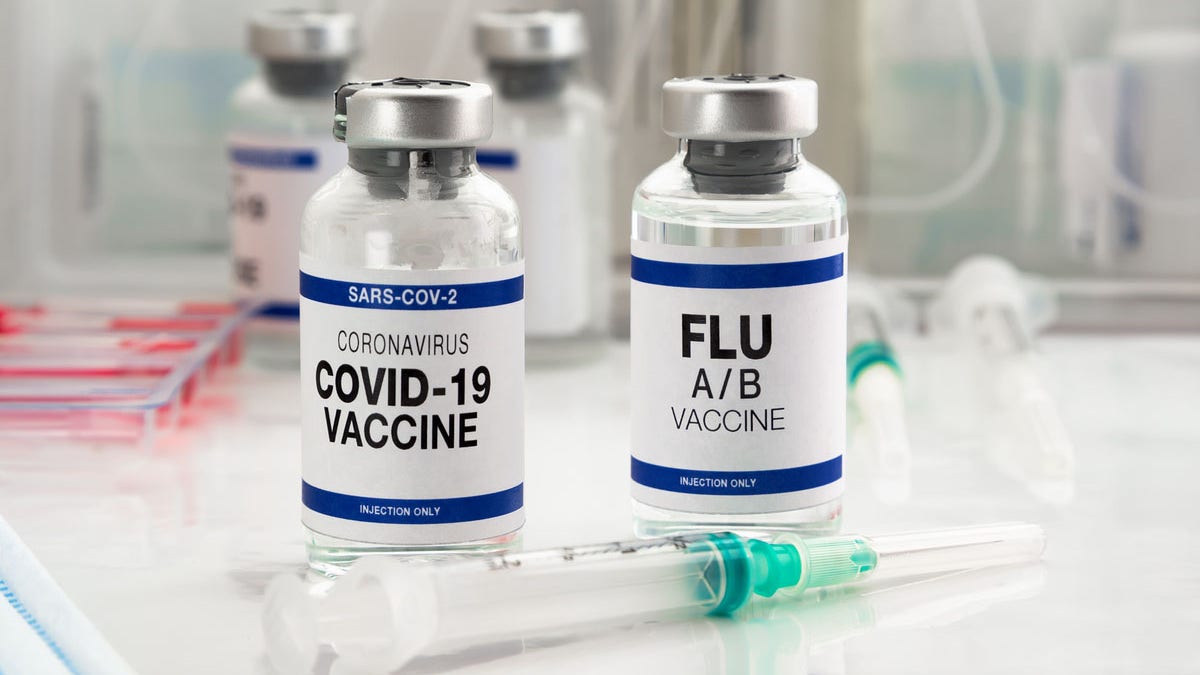
A study conducted by the Einstein Hospital Israelita, published in the National Library of Medicine in September 2025, revealed that administering the flu vaccine during a patient’s hospital stay can significantly mitigate complications for those who have experienced a stroke. According to the findings, this strategy may reduce the risk of death or new hospitalizations due to respiratory or cardiovascular issues by up to 20%.
The research analyzed data from 1,801 individuals hospitalized with acute coronary syndrome across 30 research centers located in the South, Southeast, Northeast, and Center-West regions. Among the participants, 67 had a documented history of stroke. Researchers divided the patients into two groups: one that received a double dose of the influenza vaccine during hospitalization and another that received a standard dose approximately 30 days after being discharged. Following a 12-month observation period, those who received the double dose showed fewer cardiovascular and respiratory events.
The biological mechanism behind this protection involves the vaccine’s ability to block the influenza virus, which typically triggers inflammatory processes in the body. These inflammatory responses can facilitate the formation of blood clots, thereby increasing the risk of cardiovascular diseases and strokes. By acting as a barrier, the vaccine helps prevent severe long-term sequelae. These findings could guide future vaccination strategies for high-risk patients during acute care.
Beyond cardiovascular health, vaccinations are showing a potential link to neurological protection. Research from Stanford University, published in the scientific journal Neurology, found an association between high-dose influenza vaccines and a lower risk of developing Alzheimer’s-type dementia in elderly populations. The study examined more than 160,000 people aged 65 and older, comparing standard inactivated vaccines with a high-dose version known as Fluzone High-Dose.
The high-dose formulation contains approximately four times the antigen of traditional vaccines, which is designed to enhance the immune response in older adults. This version was approved by the U.S. Food and Drug Administration (FDA) in 2009 for individuals 65 and older. Evidence from 2025 indicates that the herpes-zoster vaccine has been associated with a roughly 20% reduction in the risk of developing dementia.
Collectively, these studies underscore a growing body of evidence suggesting that vaccines may offer unexpected systemic benefits, likely by reducing inflammation following infections. This broader protective effect highlights the importance of immunization not only for preventing the flu but as a tool for overall long-term wellness and the prevention of chronic complications.
For more information on these developments, you can explore related reports on how the flu vaccine reduces stroke risk and how a double dose of the vaccine can reduce deaths in patients with a history of stroke. Further research into neurological health suggests that a vaccine available in Brazil may reduce the risk of Alzheimer’s, while other studies indicate that the flu vaccine can protect against heart attack and stroke.
