

iPhone Fold Enters Trial Production at Foxconn, Signaling 2026 Launch
Apple is moving closer to debuting its first foldable device, with reports indicating that the “iPhone Fold” has officially entered trial production at Foxconn. As Apple’s primary manufacturing partner, Foxconn’s involvement in this stage suggests the company is steadily progressing toward mass production of the new hardware.
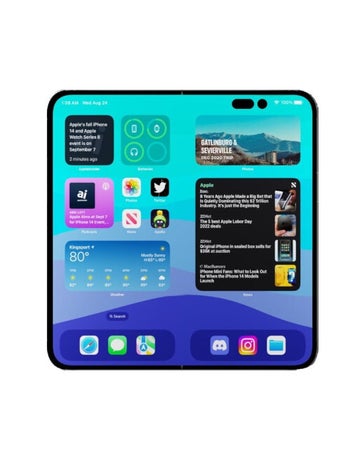
The shift into trial production is a critical milestone that could influence the device’s eventual arrival in the hands of consumers. This development highlights Apple’s cautious approach to new categories, ensuring production stability and quality control before a wide-scale global rollout.
Debating the Launch Timeline: September or December?
Although the move to trial production suggests that Apple’s internal timelines are remaining on track, there is conflicting information regarding the exact release date. Some reports, including those from leaker Instant Digital, suggest that the iPhone Fold could launch in September 2026, potentially debuting simultaneously with the iPhone 18 Pro.
However, other industry observers anticipate a slightly delayed arrival. Barclays analyst Tim Long has reported that the foldable model may not reach users until December 2026. This sentiment is partially echoed by Bloomberg’s Mark Gurman, who noted that the iPhone Fold will likely arrive “a little bit later than the Pro phones.” Gurman attributed this potential delay to the inherent complexities of producing foldable displays and Apple’s historical tendency to launch major design pivots—such as the iPhone X—slightly after its other flagship models.
Design Evolution: From Clamshell to Book-Style
Apple has spent years experimenting with various foldable configurations. While 2024 prototypes focused on a clamshell design that folded vertically to a size similar to current iPhones, 2025 reports indicate a shift toward a “book-like” design. This configuration would feature a horizontal fold, opening up to a larger inner display comparable in size to an iPad mini.
In this book-style layout, the device would utilize an outer display and camera for use while closed, expanding into the larger interior screen for increased productivity and screen real estate. This transition represents a significant pivot in Apple’s hardware strategy, aiming to merge the utility of a tablet with the portability of a smartphone.
Expected Hardware and Technical Specifications
The iPhone Fold is expected to be a centerpiece of the iPhone 18 lineup, sharing several high-complete components with its siblings. It is anticipated to be powered by the A20 Pro chip used in the iPhone 18 Pro, although it may feature a different processor count to optimize for the foldable form factor.
Regarding the build and aesthetics, the device is rumored to feature:
- Premium Chassis: A titanium alloy casing with a hinge constructed from stainless steel, titanium and liquid metal components. Analyst Jeff Pu suggests a hybrid frame using titanium for stress-bearing parts to prevent bending and aluminum for weight reduction and heat dissipation.
- Camera Array: Early reports suggest a dual-lens rear camera system rather than the triple-lens setup found on Pro models, paired with a single front-facing camera.
- Biometrics: To maintain a slim profile and save internal space, analyst Ming-Chi Kuo believes Apple may forgo Face ID in favor of a Touch ID side button.
