
Forbidden, romantic, and sacrificial love: Britain’s National Archives in London is showcasing correspondence spanning over 500 years of longing, heartache, and passion in its “Love Letters” exhibition. The exhibit features a selection of three famous letters that reveal intimate moments in history.
Bosie’s Passionate Appeal to Queen Victoria
In 1895, Lord Alfred Douglas, known as “Bosie,” penned a desperate letter to Queen Victoria pleading for the pardon of his lover, Oscar Wilde. The Irish writer had been sentenced just weeks prior to two years of imprisonment and hard labor for “gross indecency” – after Alfred Douglas’ father revealed the relationship between the two men.
Despite their turbulent relationship, Bosie’s letter demonstrates a deep admiration and affection for his lover. Wilde lived in exile in Paris after his release from prison, and Bosie later distanced himself from Wilde and the scandal.

“Men desire men and women desire women: that was surprising to me,” said Saul Nassé, director of the National Archives.
Victoria Iglikowski-Broad, the exhibition’s curator, also emphasized the importance of the letter, which represents queer relationships. “The letter is important because there aren’t many of them.” They were only able to be shown because they were seized, used to prosecute the lovers, and archived.
Robert Dudley’s “Last Lettar” to Queen Elizabeth I
Shortly before his death in 1588, Robert Dudley wrote a final letter to Queen Elizabeth I. The two had known each other since childhood. Their relationship with a married man repeatedly sparked rumors and threatened her reputation – which is why Queen Elizabeth I also decided against marrying Dudley when his wife died.
However, her affection for him remained a constant throughout her reign. After the Queen’s death in 1603, Dudley’s letter was found in a box beside her bed. She had inscribed it with “His Last Lettar.”
King Edward’s Abdication for Love
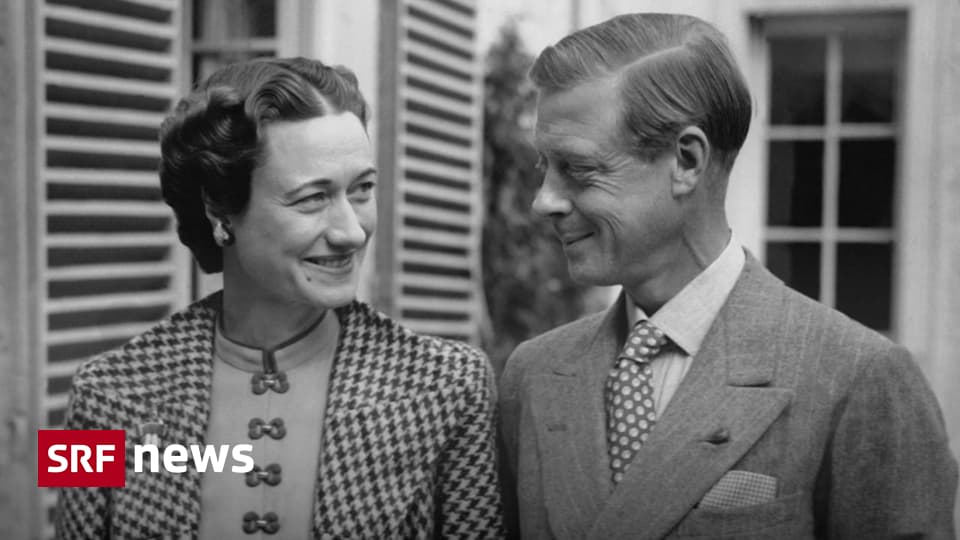
King Edward VIII reigned for 326 days as King of Great Britain and Northern Ireland and Emperor of India. On December 10, 1936, he abdicated the throne – in part due to his love for American Wallis Simpson. As Head of the Church of England, he was unable to marry a twice-divorced woman.
The abdication document stands out due to its historical significance, explains Saul Nassé. “It was one of the greatest love affairs of the 20th century – and it shows how a personal relationship became a matter of state.” This document demonstrates how the abdication shaped British history.
After his abdication, he became the Duke of Windsor and lived in exile with his wife.
More Than Just Love Letters
In addition to romantic love letters, the exhibition also showcases correspondence about friendships – the curator’s favorite documents. “I think friendship is an often overlooked aspect of love. It’s about emotional feelings that you can only express with friends,” says Victoria Iglikowski-Broad.
“I hope it helps people to reach out to people they love, who are not just romantic partners – and to write to them and communicate with them.”
