
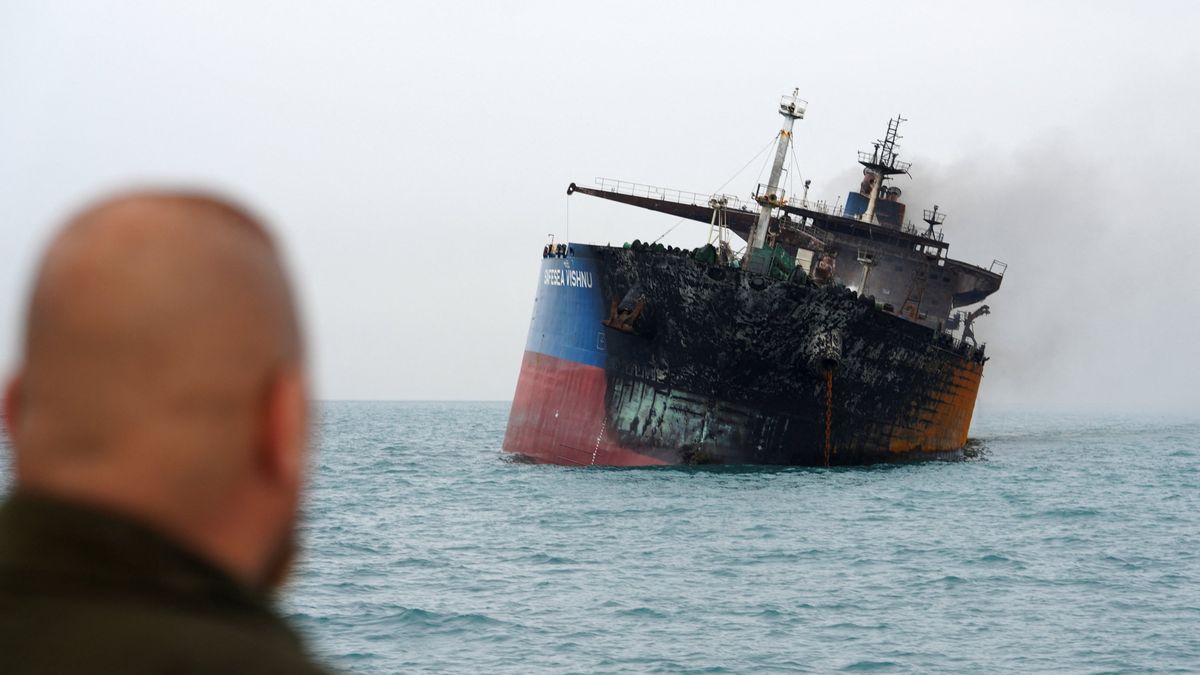
G7 Considers Naval Escorts in Gulf to Protect Energy Shipping
The United States, Canada, Japan, Italy, the United Kingdom, Germany, and France are evaluating the possibility of providing naval escorts for commercial vessels in the Gulf region, the G7 presidency announced Wednesday. The move comes as international concerns grow over the potential for disruptions to vital energy supplies amid escalating tensions in the Middle East.
The potential for coordinated action was discussed during a video conference convened by French President Emmanuel Macron with G7 leaders to address the ongoing conflict between the U.S., Israel, and Iran and its impact on global energy markets.
Following the meeting, the G7 confirmed the establishment of a working group tasked with examining a potential system of naval escorts when security conditions allow. The initiative will also involve consultations with shipping companies, maritime transport firms, and insurers – key stakeholders in regional commerce.
emmanuel macron
The development underscores the increasing international focus on safeguarding crucial trade routes in light of the volatile situation in the Middle East. Leaders also welcomed an announcement by the International Energy Agency – prepared at the G7’s urging – to release up to 400 million barrels of strategic reserves, a significant amount intended to signal stability to global markets.
In a joint statement, G7 leaders encouraged increased energy production from countries able to offset potential supply disruptions and called for avoiding any export restrictions. They also agreed to coordinate with Gulf economies regarding the economic consequences of the conflict.
The G7 reaffirmed its commitment to maintaining sanctions against Russia and pledged to closely monitor the impacts of the crisis, including potential tensions surrounding fuel, gas, and fertilizers – a key concern for farmers and global food security. This was the first meeting of G7 leaders since France assumed the G7 presidency in 2026, according to a communiqué from the Élysée Palace. Macron initially convened the call on Wednesday to discuss the Iran crisis and rising energy prices.
The G7 leaders convened via video conference on Wednesday, March 11, 2026, to address the economic fallout from the ongoing war in the Middle East. As reported by Le Figaro, the meeting focused on establishing coordination to prepare for restoring freedom of navigation in the region.
