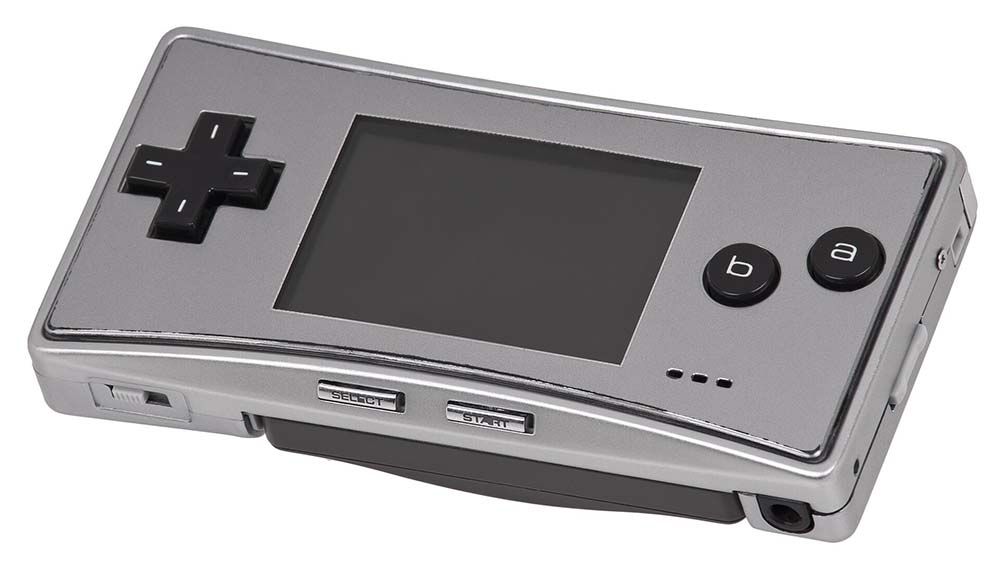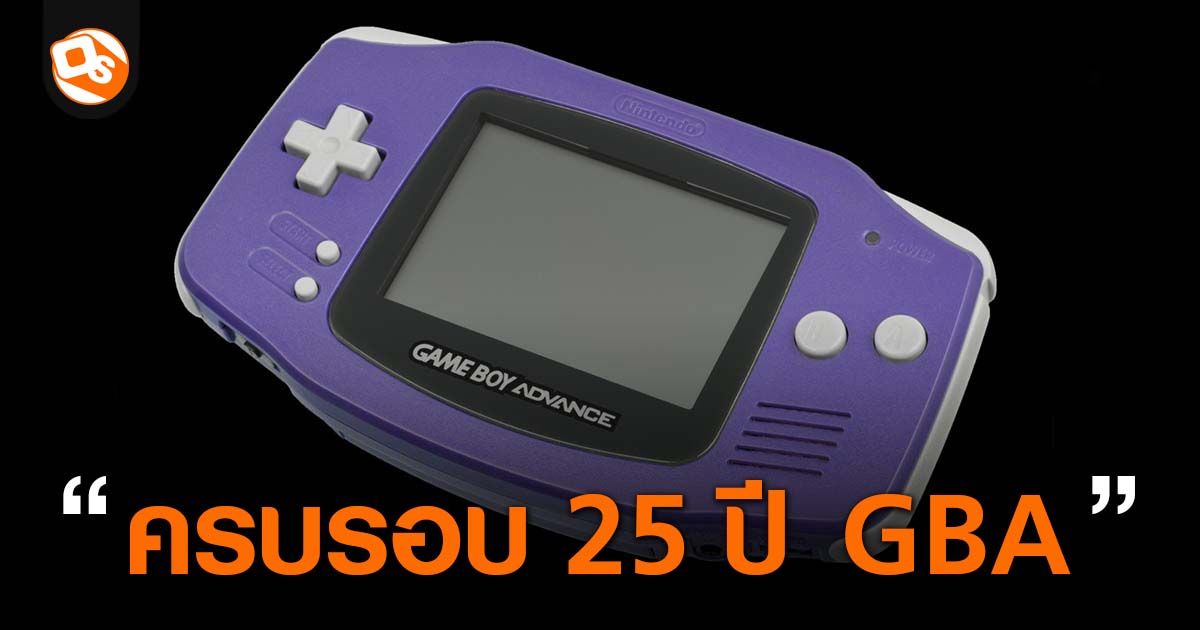
Nintendo’s Game Boy Advance, a handheld console that helped define a generation of mobile gaming, launched in Japan on March 21, 2001. The device marked a significant step forward in portable gaming technology and represented the sixth generation of video game consoles. The launch came as the industry was seeing increased competition from rivals like Nokia’s N-Gage and Bandai’s WonderSwan.
The Game Boy Advance was Nintendo’s final iteration in the long-running Game Boy line, paving the way for the dual-screen Nintendo DS in 2004. The arrival of the Game Boy Advance followed a trend established with the original Game Boy in 1989, where Nintendo defied expectations by opting for a monochrome screen while competitors offered color displays. However, the Game Boy’s superior battery life and portability ultimately proved to be winning features.
Nintendo first unveiled the Game Boy Advance on September 1, 1999, with a horizontal design—a departure from the vertical form factor of previous Game Boy models. The design was the work of French designer Gwenael Nicolas and his team at Curiosity Inc. In Tokyo. The console was initially priced at $100 (equivalent to $180 in 2025, or approximately 5,900 Thai baht).
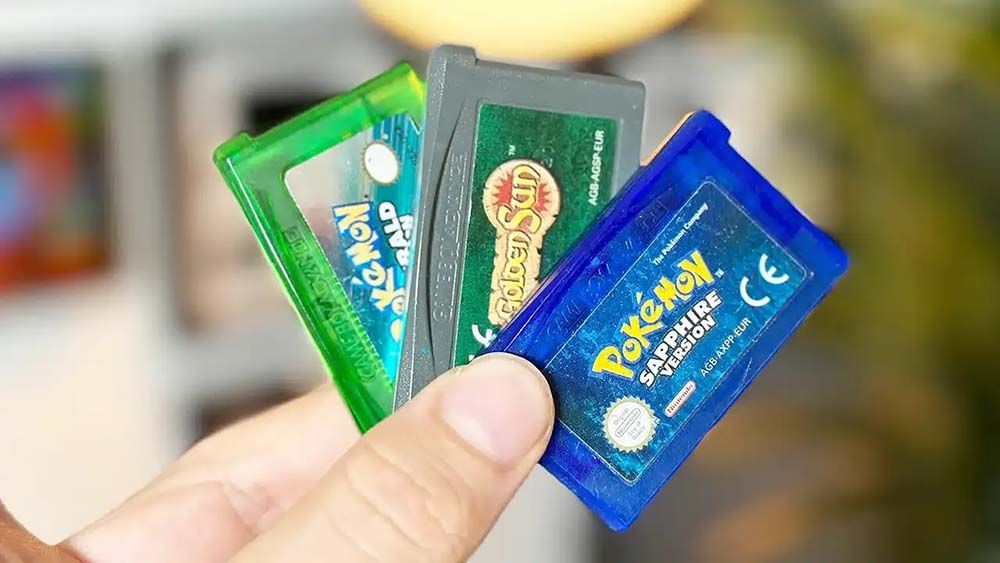
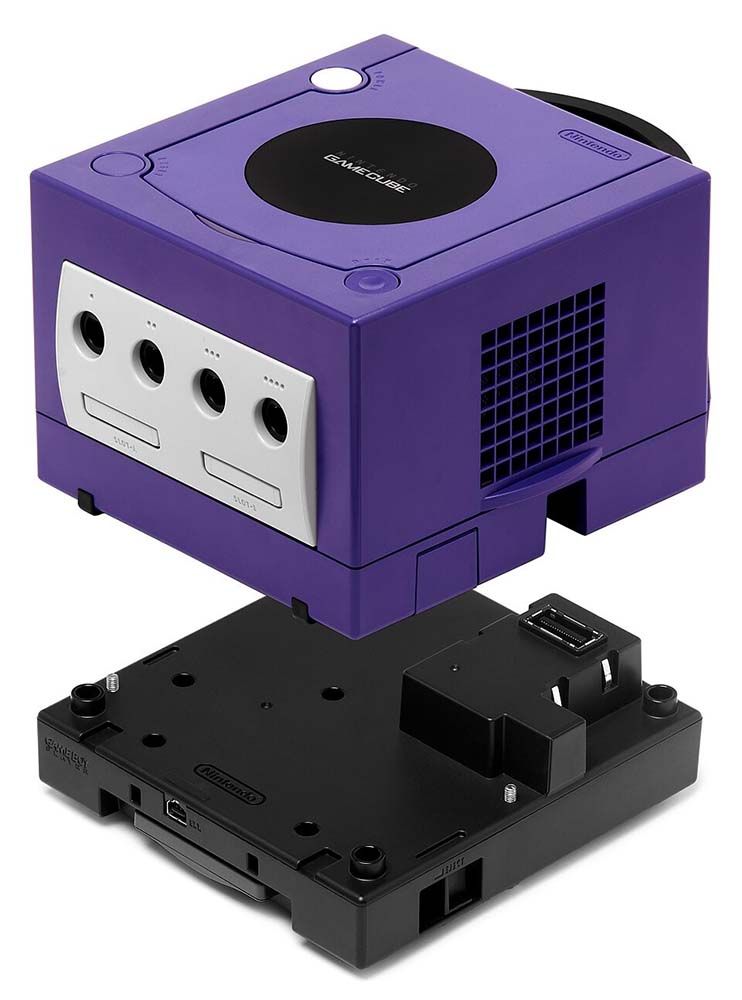
Despite being a new handheld for the early 2000s, the Game Boy Advance’s processing power was comparable to that of the Super Famicom. However, the inclusion of an ARM7 processor allowed for improved graphics capabilities. Most games on the platform utilized 2D graphics. Game developers also incorporated unique features into game cartridges, such as the vibration function in Drill Dozer, tilt sensors in WarioWare: Twisted! (playable with the GameCube), and a sunlight sensor in Boktai: The Sun in Your Hand.
Nintendo later released the Game Boy Advance SP in 2005, featuring a backlit screen and a clamshell design. The Game Boy Micro, a smaller model that removed backward compatibility with original Game Boy and Game Boy Color games, followed in the same year. The introduction of these models signaled Nintendo’s continued innovation in handheld gaming hardware.
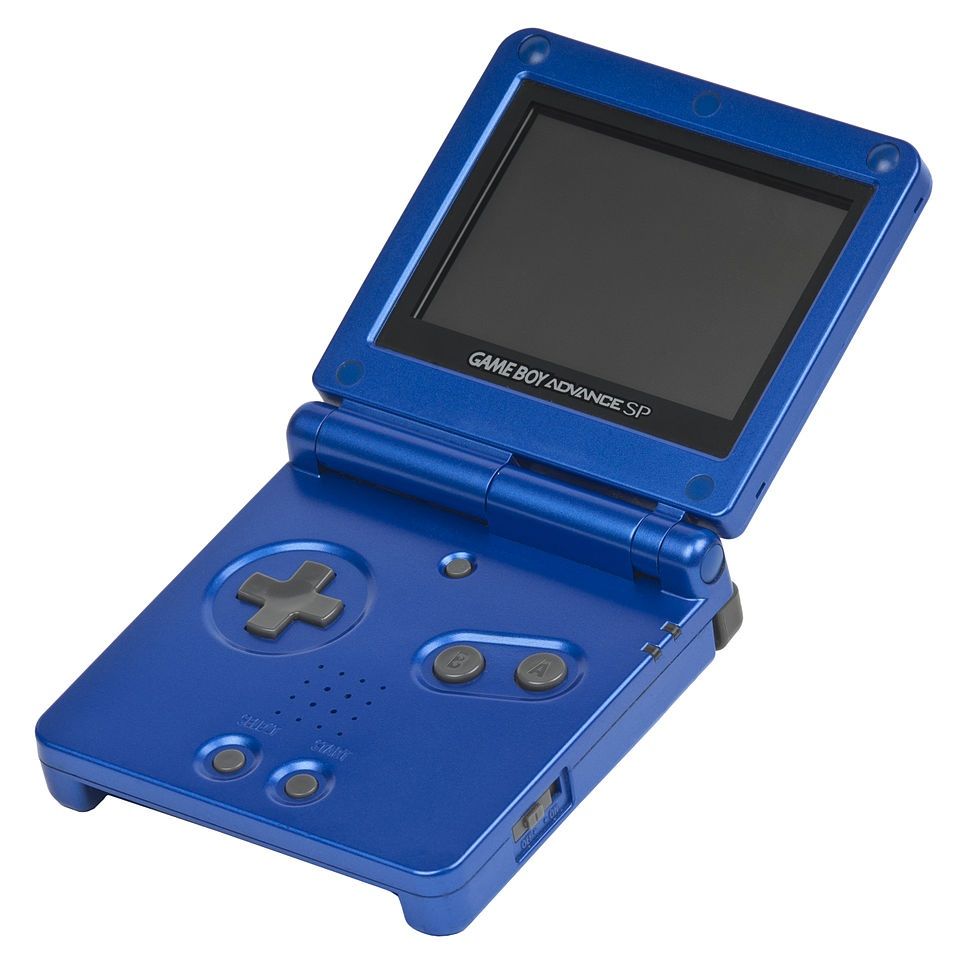
The launch of the Nintendo DS in 2004, with its innovative dual-screen design and backward compatibility with Game Boy Advance games, led to a slowdown in Game Boy Advance sales. Nintendo continued to produce the Game Boy Advance until 2010, with total sales across all models—original, SP, and Micro—reaching 81.51 million units. The final games released were Final Fantasy VI Advance in Japan, Samurai Deeper Kyo in the United States, and The Legend of Spyro: The Eternal Night in Europe.
(Of the 81.51 million units sold, 43.57 million were Game Boy Advance SP units and 2.42 million were Game Boy Micro units.)