

Digestive Issues are Widespread, But Many Suffer in Silence
Eight out of ten Swedes experience digestive problems, yet many don’t seek medical facilitate, even when their quality of life is affected, according to dietist Sofia Antonsson. Common symptoms include gas, diarrhea, abdominal sounds, and bloating.
These findings highlight the significant impact digestive health has on overall well-being, and the need for increased awareness and access to care.
Limited Access to Care for Digestive Issues
Many individuals who seek help from primary care facilities don’t receive it, either because digestive complaints aren’t prioritized or because healthcare staff lack sufficient knowledge in the area. “The general practitioner can’t always follow up and address the symptoms or conduct the necessary examinations,” Antonsson told News55.
thousands of people needlessly suffer from conditions that could be improved with dietary changes or stress management techniques. “A bad stomach can easily lead to stress, but stress can also lead to a bad stomach. So the cycle continues,” Antonsson explained.
Functional Digestive Disorders
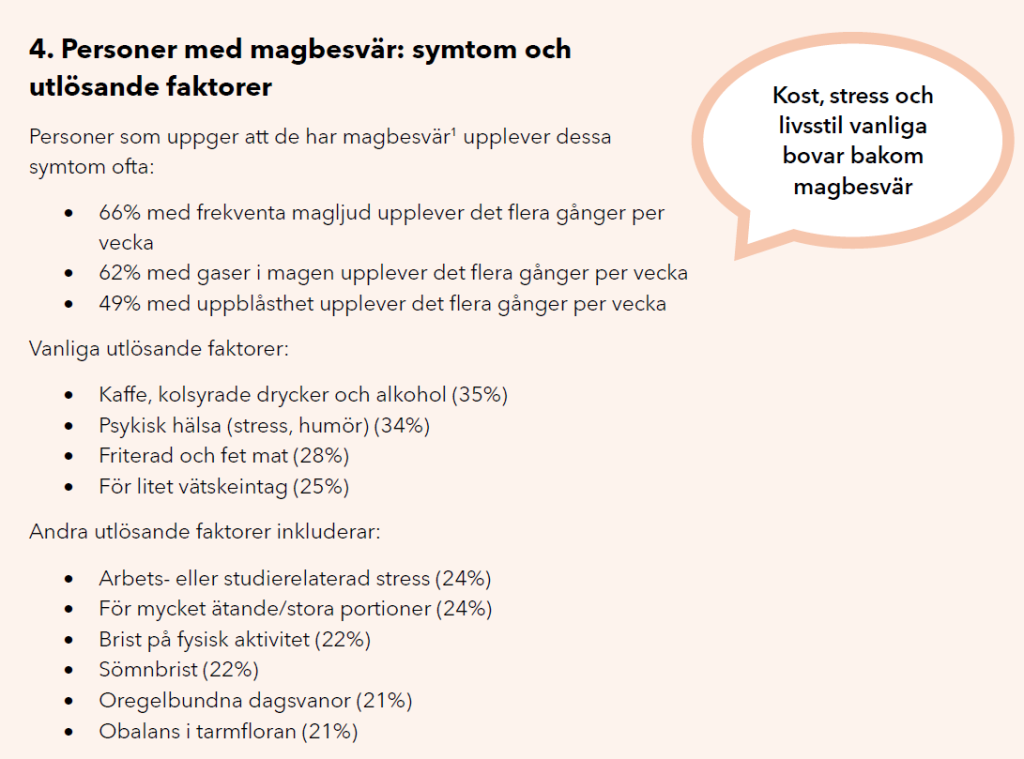
For many, the issue stems from what are known as functional disorders. In these cases, the digestive tract appears normal, but doesn’t function properly, and conditions like Irritable Bowel Syndrome (IBS) are considered chronic. According to reports, 44 percent of those with digestive problems report a negative impact on their daily lives, with some experiencing significant disruption.
What Does a Healthy Gut Look Like?
A common misconception is that a healthy stomach should be completely silent and flat, according to Antonsson. “But there’s a clear limit. You shouldn’t have to plan your life around the nearest toilet, and you should be able to rely on your stomach in everyday life. When that security disappears, the consequences quickly become noticeable. Older adults with these issues are more likely to stay home,” she said.
Stigma and Shame Surround Digestive Health
There’s also a significant stigma surrounding digestive problems, which prevents many people from talking about them or seeking help. The causes of digestive issues are often multifaceted, involving a combination of factors like stress, lifestyle, diet, and gut flora.
Reports indicate that stress, dietary habits, and fluid intake are common triggers. Ultra-processed foods, additives, and changes in gut bacteria can also play a role, Antonsson noted. “We travel much more these days. That can introduce bacteria from abroad that disrupt the gut,” she said.
Expert-Recommended Approaches to Digestive Health
Dietary changes are the most effective treatment. A low-FODMAP diet, which restricts certain carbohydrates, is often used and can help up to 75 percent of individuals. The gut microbiome also plays a crucial role, and probiotics, particularly bifidobacteria, may help reduce symptoms and inflammation.
Lifestyle factors are also essential. Regular meals, adequate hydration, physical activity, and sufficient sleep are highlighted as important components of a healthy digestive system.
Despite these potential solutions, many people seek information independently rather than consulting a healthcare professional, which can lead to incorrect treatment and unnecessary suffering.
A Dietitian’s Dietary Choices
“I enjoy a good scrambled egg, I really do. And I like sourdough bread, preferably with olive oil. And oatmeal with blueberries is something I like to have for breakfast,” Antonsson said. However, she emphasized that what works for one person doesn’t necessarily operate for another.
“Not all fiber is good for all stomachs, and what my stomach tolerates well may not be what your stomach needs. That’s why knowledge is so important – understanding how the gut connects to overall health, and how it connects to your individual health,” Antonsson concluded.
About the Gut Report
Read More About Health:
New Study: Multivitamins May Affect the Body’s Aging Process
Healthcare Crisis: Here You Can Get 100,000 Kronor to Move Your Vacation
Important: Replenish with Vitamin D During Spring
Common Supplements Can Interfere with Medications – Few Are Aware of the Risks
Read more from News55 – our newsletter is free:
