
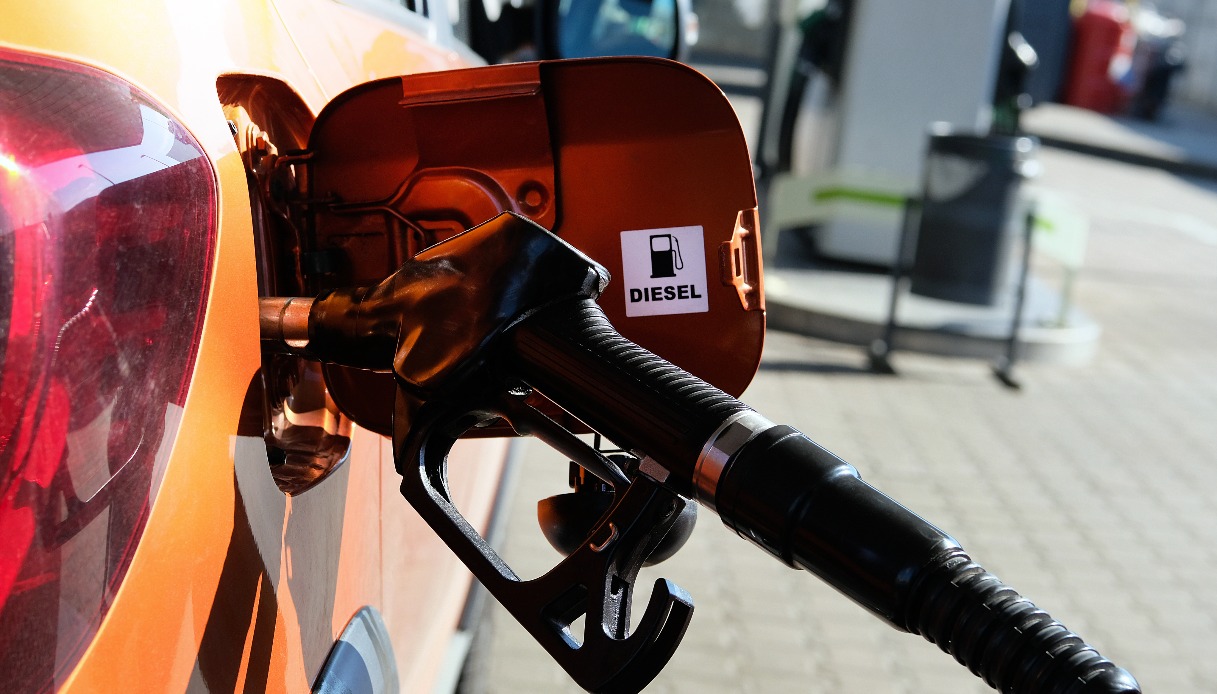
Rising geopolitical tensions are adding to the pressures on fuel prices, with both gasoline and diesel experiencing increases at the pump. According to Federconsumatori, a consumer advocacy group, fuel prices have already been adjusted upwards, with diesel seeing a particularly noticeable surge.
Some drivers filled up late Sunday night before the price hikes took effect, but as of Monday, March 2, motorists faced higher prices for both gasoline and diesel. The average price for gasoline rose to €1.67 per liter, while diesel reached €1.732 per liter. These prices are for self-service stations, with attended service and highway stations charging even more. The increased cost of transportation is expected to add €186.64 to annual household expenses.
Fuel Prices Increase by Up to €186 Per Year
The recent alignment of diesel excise taxes had already increased costs, but the situation has been exacerbated by recent actions by the United States and Israel in Iran, leading to a rise in fuel prices. This renewed geopolitical uncertainty is particularly impacting diesel costs. The financial impact on consumers is significant, potentially reaching €186 per year.
Michele Carrus, president of Federconsumatori, commented:
“Fuel prices, as always, are updated upwards at the speed of light; it’s a shame that doesn’t happen when they should go down.”
just days after the recent events, those refueling on Monday, March 2, encountered higher prices. On average, gasoline costs €1.67 per liter, while diesel has reached €1.732 per liter. These figures represent self-service prices, but costs at attended stations and on highways could easily approach the €2 per liter mark.
Federconsumatori describes the increases as “unheard of and disproportionate,” especially considering current oil prices. The organization’s national observatory monitors exchange rates and oil prices and reports that current prices are already significantly higher than they should be. Even before the excise tax increase, diesel was already 9.8 cents more expensive than projected.
How Much Do the Increases Cost?
The events in Iran are having a direct effect on Italian household budgets, most visibly through rising fuel prices. Drivers of diesel vehicles are facing an additional cost of over €94 per year.
However, the impact extends to all citizens due to indirect price increases for consumer goods. The cost of transportation accounts for 86% of goods transport, and these costs are passed on to consumers. Federconsumatori estimates the indirect increase will be €111.08 per year.
Combining the direct cost at the pump and the indirect cost on consumer goods, the total annual increase is estimated at €186.64.
Potential for Increased Gas Bills
The actions taken by the United States and Israel could similarly impact gas bills. Both oil and gas prices are already rising, with the initial effects being seen in fuel prices. However, these consequences are expected to extend to utility bills in the near future.
Codacons warns that the risks aren’t limited to gasoline prices, and an increase in tariffs for both families and businesses is anticipated, leading to a generalized increase in spending on gas and electricity, at a time when consumption remains high.
