
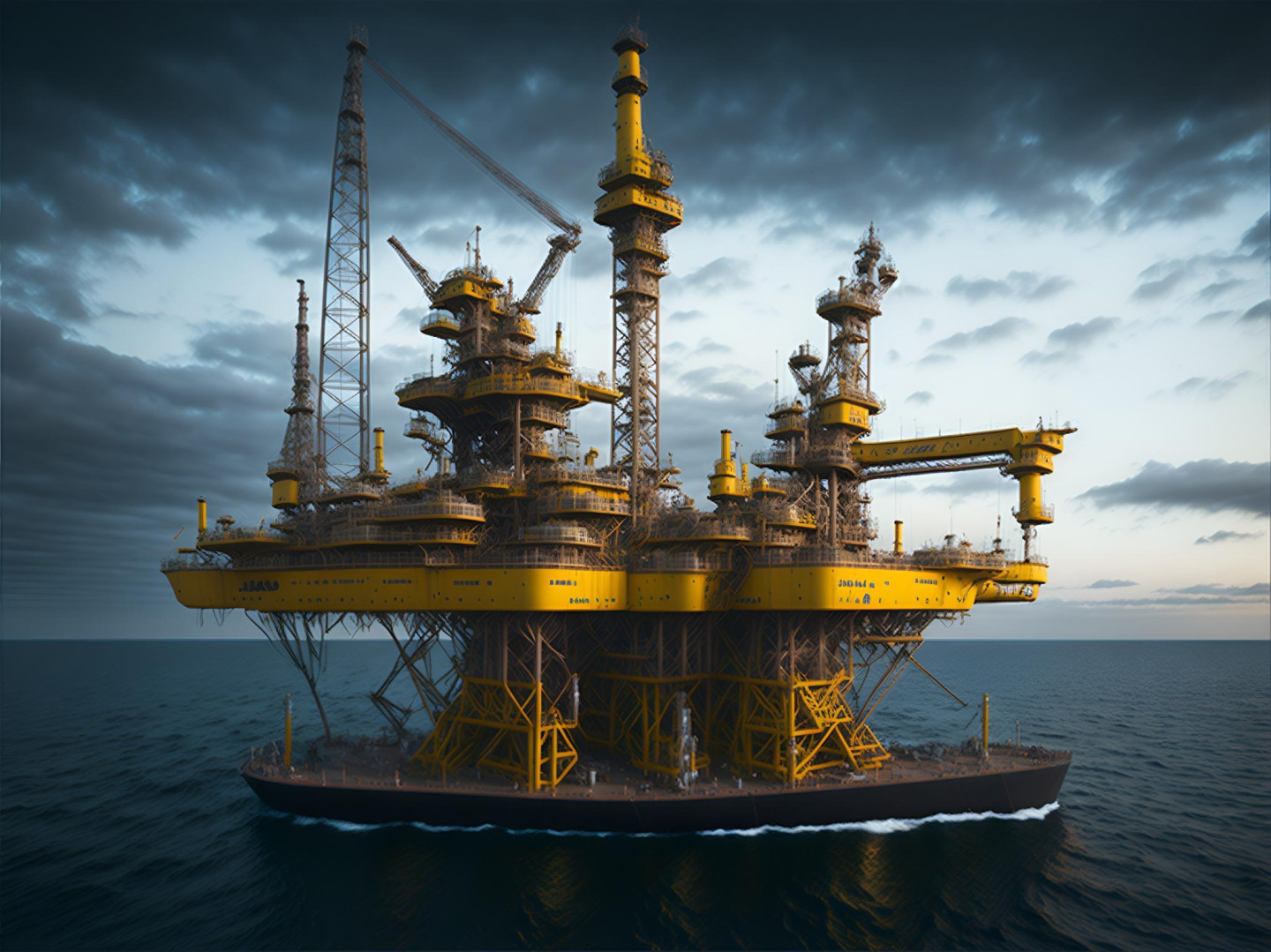
Global energy markets are facing significant volatility as oil prices climb toward $100 a barrel, driven by an escalating military conflict between the United States and Iran. This surge has sparked concerns that the world is entering a modern oil crisis, potentially the largest in modern history, as geopolitical tensions disrupt supply expectations.
Market Reaction and Fuel Costs
The financial impact has been felt immediately at the pump. In the United States, average gas prices reached $4.06 per gallon on Tuesday, April 1, 2026, marking the first time prices have crested the $4 average since the conflict began. Market analysts have observed that oil prices in the global market are increasing rapidly, reflecting investor anxiety over the stability of energy corridors.
This instability has left investors and economists in a sea of uncertainty, with many questioning the long-term trajectory of fuel prices based on expert Middle East projections.
White House Strategy and “Operation Epic Fury”
In a primetime address from the White House on Wednesday, April 1, 2026, President Donald Trump sought to address domestic concerns regarding rising energy costs. The President touted the successes of “Operation Epic Fury,” the joint U.S.-Israeli campaign that began on February 28 with strikes that killed Iran’s supreme leader, Ayatollah Ali Khamenei.
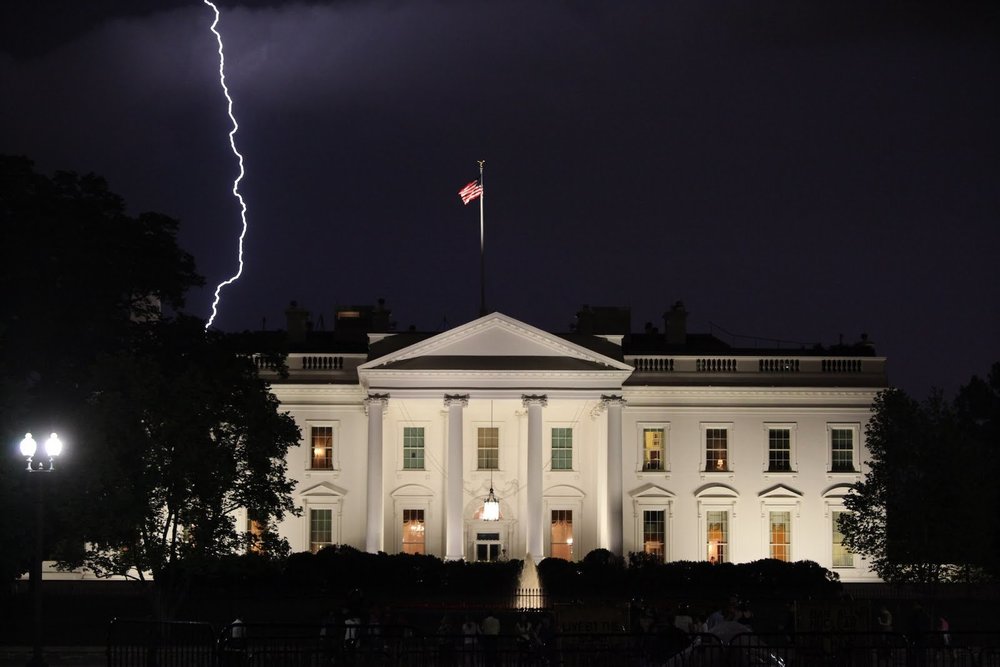
While oil prices rose further following the President’s threats of continued heavy strikes, Trump asserted that the war is nearing its end. He told the nation he expects the conflict to last another two to three weeks, stating that “core strategic objectives are nearing completion.”
Addressing the critical Strait of Hormuz, where Iran has attempted to block shipping traffic, Trump stated that Americans “don’t require” the strait, suggesting that the countries that do rely on it “must grab it and cherish it.”
Escalation and Military Setbacks
Despite the administration’s claims of a nearing conclusion, recent military developments have added to the volatility. On Friday, April 3, 2026, the U.S. National security team convened at the White House following reports that Iranian fire struck multiple U.S. Aircraft. Reports indicate that two jets and two helicopters were hit, including a two-seater F-15E fighter jet that was shot down over Iranian territory. While one crew member from the downed jet has been rescued, the incident underscores the ongoing risks of the campaign.
The conflict continues to ripple across the region, with Israel intensifying strikes against the Hezbollah militia in Lebanon and expanding ground operations in the south. These developments, combined with Iranian missile and drone attacks on regional U.S. Bases and Gulf nations—including damage to gas facilities in Abu Dhabi—continue to weigh heavily on global energy markets.
