
GNOME 50 Ushers in Latest Era for the Linux Desktop
The latest version of the GNOME desktop environment, codenamed “Tokyo,” has been released, bringing a suite of improvements focused on performance, usability, and accessibility. The update, which will be included in Ubuntu 26.04 LTS in April 2026, marks a significant step forward for the open-source desktop widely used in the Linux ecosystem.
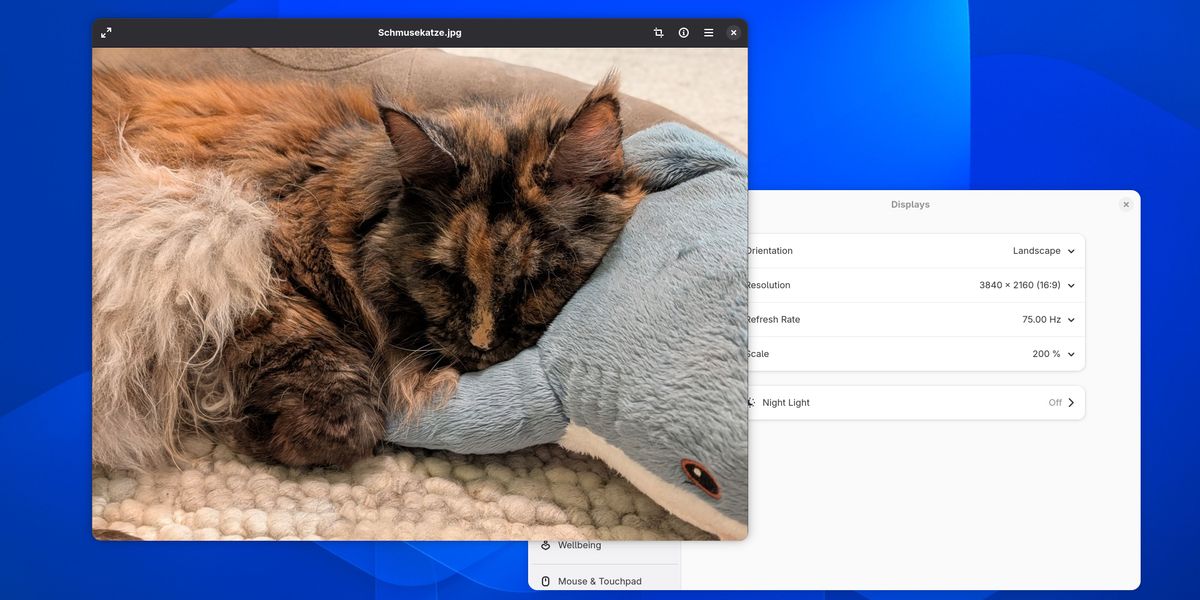
A key feature of GNOME 50 is the default enablement of Variable Refresh Rate (VRR) support on compatible hardware. This technology dynamically adjusts the display’s refresh rate to match the on-screen content, resulting in smoother visuals during gaming and scrolling, and reduced power consumption when displaying static images. Previously an experimental feature, VRR is now available without requiring manual configuration.
Alongside VRR, GNOME 50 introduces settings to scale X11 applications running on Wayland via XWayland. While not all legacy applications will scale perfectly, the feature aims to improve the experience of using older software within the modern Wayland environment. This addresses a common challenge for users transitioning to the newer display protocol.
The update also brings enhancements to core GNOME applications. The Document Viewer app receives a redesigned annotation system, allowing users to add text, highlights, and freeform lines with customizable colors and thicknesses. Files, the GNOME file manager, benefits from faster thumbnail generation and reduced memory usage. Calendar now displays event attendees and offers improved event creation tools.
Accessibility features have also been improved with a redesigned preferences interface for the Orca screen reader, global settings support, automatic language switching, and enhanced Braille and document navigation. A new “Reduced Motion” option aims to minimize interface animations for users sensitive to visual distractions.
Parental controls have been expanded in GNOME 50, with the addition of screen time monitoring and enforcement, including bedtime schedules and the ability for administrators to extend usage limits. These controls are integrated into the Settings app and lay the groundwork for future web filtering capabilities. The update signals a growing focus on user safety and digital wellbeing within the open-source desktop environment.
