
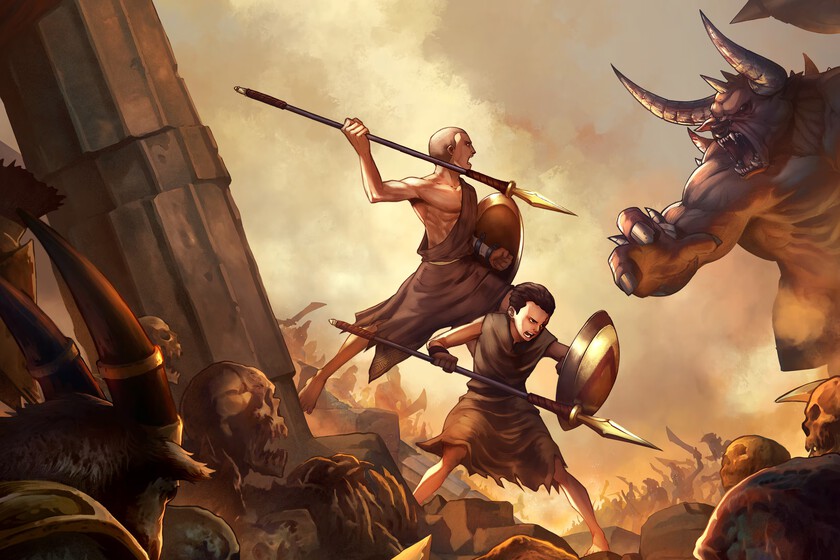
Sony Interactive Entertainment surprised fans on February 12, 2026, with the sudden release of God of War: Sons of Sparta for the PlayStation 5. The game, a 2D Metroidvania action-platformer, serves as a prequel to the entire God of War franchise, exploring Kratos’s youth before the events of previous installments.
The release strategy marks a shift in how established franchises maintain momentum between major titles. Traditionally, remasters or remakes have filled the gap, but these large-scale projects require significant development time. Sons of Sparta offers a quicker, more agile approach to keeping fans engaged while awaiting the next major installment in the series, following the conclusion of the Norse saga and preparations for a novel mythological setting.
This approach mirrors a strategy employed by Ubisoft with its Prince of Persia franchise. While a remake of Prince of Persia: The Sands of Time faced significant delays and was ultimately canceled, Prince of Persia: The Lost Crown proved successful, demonstrating the viability of releasing smaller-scale, faster-to-develop titles.
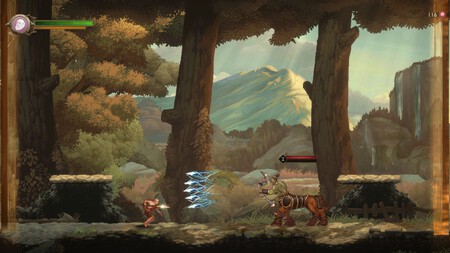
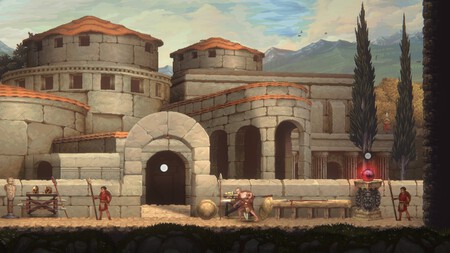
God of War: Sons of Sparta is priced at $29.99 for the Standard Edition and $39.99 for the Digital Deluxe Edition, and is a single-player experience with a local co-op challenge mode unlocked after completing the story. The game is set in ancient Laconia, following a young Kratos and his brother Deimos as they train at the Spartan Agoge. The narrative unfolds as they investigate the disappearance of a fellow cadet, uncovering a secret that threatens their home. This release demonstrates a growing trend of developers exploring established genres like the Metroidvania to extend popular franchises. Titles like Hollow Knight: Silksong and Blasphemous II have proven the genre’s continued appeal.
Developed in partnership with MegaCat Studios, Sons of Sparta features a well-planned map, a variety of weapons and abilities, and a focus on the backtracking mechanics characteristic of the Metroidvania genre. The game also incorporates elements familiar to God of War fans, such as finisher moves and physics-based puzzles. The game’s combat system utilizes health and energy bars, requiring players to strategically alternate attacks to maximize their effectiveness.
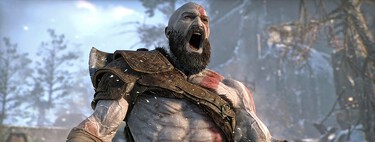
The game features voice acting from TC Carson, reprising his role as the older Kratos for the first time since 2013’s God of War: Ascension, and Antony Del Rio as the younger Kratos. The script was penned by Matt Sophos and Richard Zangrande Gaubert, the writers behind God of War (2018) and God of War Ragnarök, with a score composed by Bear McCreary. Early impressions suggest the game is a worthwhile addition to the franchise, despite its departure from the traditional God of War formula.
A simultaneous release on PS5 and Steam, along with a demo, would likely broaden the game’s reach.
Visual style has drawn mixed reactions, but the pixel art appears more vibrant in motion than in promotional materials. The detailed backgrounds and layered parallax effects demonstrate a significant investment in the game’s aesthetic. While character and enemy designs have been criticized, the overall presentation is considered a strong point. The game’s use of high-resolution pixel art presents unique challenges for animation, potentially explaining the somewhat unnatural movements of the sprites.
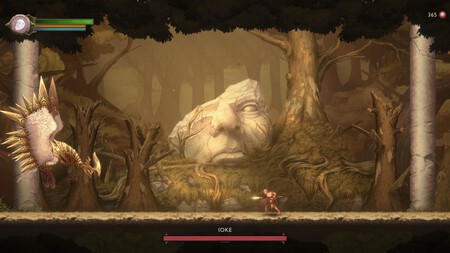
Despite initial reservations, the game has proven enjoyable, and the developers have successfully incorporated secrets and hidden areas for players to discover.
In related news, Konami is also exploring similar strategies with the Castlevania franchise.
In another development, Remedy Entertainment recently unveiled gameplay for its upcoming action RPG, Control Resonant.
