
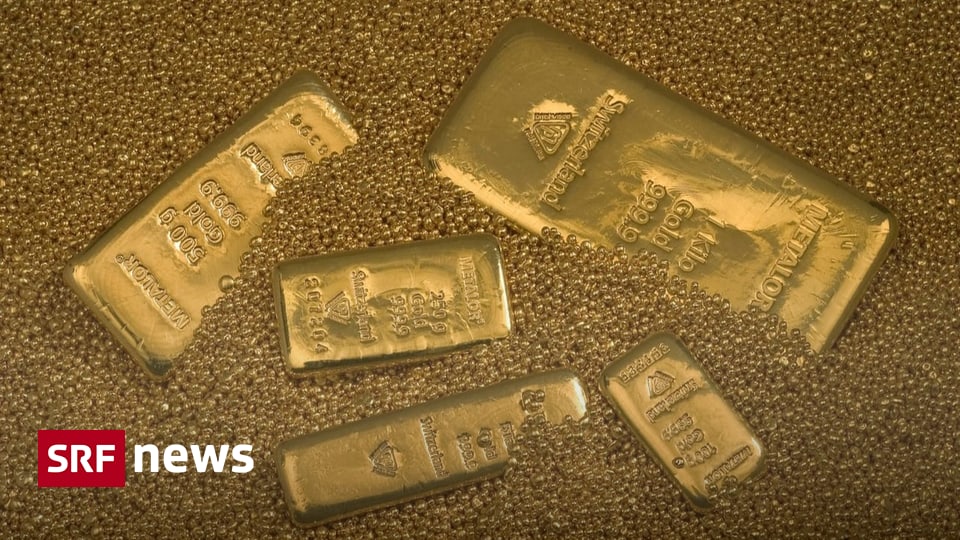
Gold prices have fallen by 10 percent since the start of the conflict in Iran, prompting questions about the precious metal’s status as a safe-haven asset.
Several factors are contributing to the decline in gold prices. The precious metal remains highly valued, nearly double its price from five years ago, and some investors are taking the opportunity to realize profits by selling their holdings, putting downward pressure on prices.
The conflict in Iran is also impacting gold prices by driving up energy costs, including gasoline, diesel, and natural gas. This increase in energy prices raises the potential for higher inflation, which could lead central banks to reconsider interest rate cuts, or even raise rates, making gold less attractive as an investment.

Adding to the downward pressure, current market conditions are prompting investors to sell gold to raise capital. The need for liquidity is driven by margin calls and a desire to have reserves available to meet upcoming obligations.
A broader crisis of confidence in private equity firms and their investment funds, particularly in the U.S., is also contributing to the sell-off. Investors have been withdrawing funds from these firms due to dissatisfaction with performance, creating a need for liquidity and prompting gold sales.
While gold typically increases in value during times of crisis, the current short-term need for capital is outweighing that trend, resulting in a decline in prices.
