

Google Messages for Android Adds ‘Trash’ Feature to Enhance User Control
Google is further refining the user experience of its official messaging platform by introducing a “Trash” folder to Google Messages on Android. This modern addition provides users with a safety net for deleted conversations, allowing for more flexible message management and reducing the risk of permanent data loss during routine cleanup.
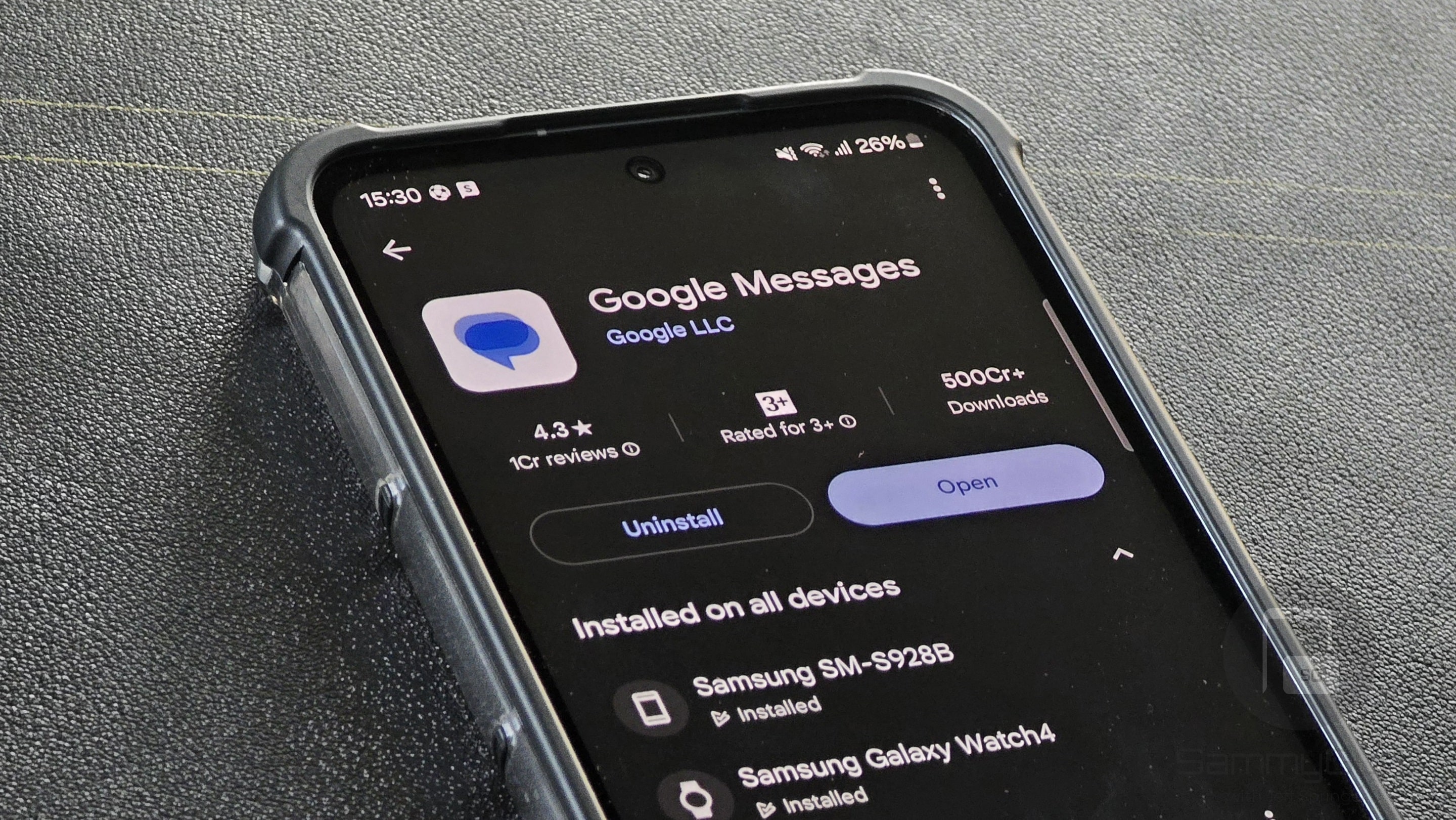
The introduction of a recycle bin functionality signals a shift toward more sophisticated content management within the app, aligning it with the file-handling standards found in other Google ecosystem services. By allowing users to recover mistakenly deleted threads, Google is prioritizing user control and data flexibility.
This update arrives as Google continues to evolve the app’s core infrastructure through Rich Communication Services (RCS). As the industry standard replacing traditional SMS and MMS, RCS enables a more dynamic communication experience. Users can now share high-resolution photos and videos, view real-time typing indicators, and receive read receipts. These capabilities now extend to seamless group chats with iPhone users, bridging the long-standing gap between Android and iOS messaging.
Beyond organizational tools, Google is integrating advanced artificial intelligence into the platform to drive innovation in digital expression. A standout feature is “Remix,” which leverages the Nano Banana Gemini image model. This AI tool allows users to edit and reimagine photos directly within the app—transforming images into styles ranging from 80s yearbook photos to superhero pets—and share them across different devices.
Security remains a cornerstone of the application’s development. To ensure privacy, personal conversations between Google Messages users are protected by end-to-end encryption, ensuring that messages are accessible only to the intended recipients and remain shielded from third parties, including Google.
The ongoing rollout of these features highlights Google’s commitment to transforming a basic texting utility into a comprehensive, AI-powered communication hub that competes on both functionality and security.
