
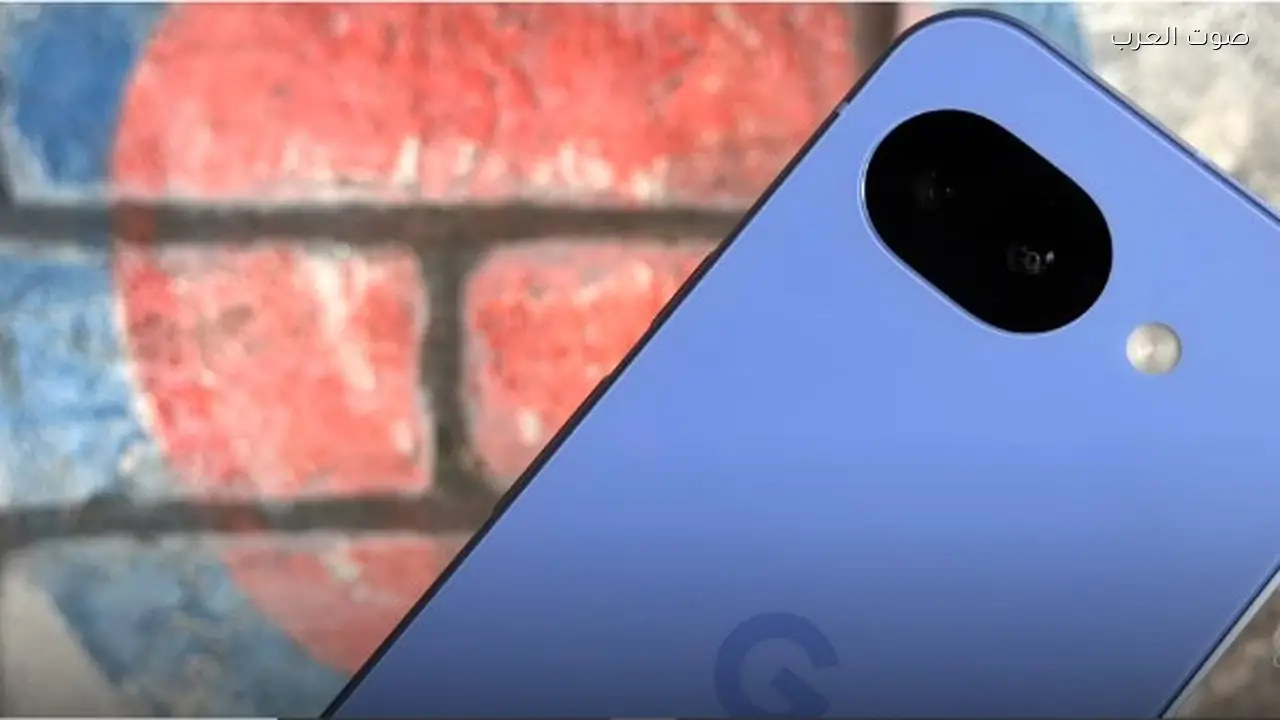
Google’s Pixel 10a, powered by the older Tensor G4 chip instead of the newer Tensor G5, may be the device that finally resolves ongoing debate surrounding the efficacy of Google’s Tensor processors.
Criticism of Tensor chips has largely stemmed from user experiences with earlier generations like the Pixel 7 and Pixel 6, which faced issues with overheating, performance, and battery life. However, the situation has improved significantly with newer generations, demonstrating noticeable improvements in everyday use.
Past Experiences Influence Current Perception
Reports indicate that many current critics of Tensor chips are former owners of the first-generation devices, who experienced genuine problems such as overheating, unstable performance, and shorter-than-expected battery life. These issues, according to analysis, were largely “growing pains” associated with the initial Tensor releases. Since the release of the Tensor G2 and G3, Google has reportedly improved thermal performance and battery life, with positive experiences noted with the Pixel 8 Pro and its battery, considered among the best in the series, as well as good power efficiency with the Pixel 9a.
Tensor G4 in the Pixel 10a
The Pixel 10a utilizes the Tensor G4, first introduced in the Pixel 10 flagship phones. This means Google had a full year to test the processor and refine the software controlling its performance and workload distribution across processing cores. This represents a significant advantage for the Pixel 10a, as Google already understands how the processor functions in real-world conditions, potentially delivering a phone with stable performance from the start, improved heat management, and optimized power consumption – potentially achieving the best battery life yet for the G4 chip.
Long-Term Updates
Google is promising seven years of Android updates and new Gemini features for the Pixel 10a, a relatively long period in the mid-range phone market. This extended support provides an ideal opportunity to test the Tensor G4’s ability to handle evolving system requirements and features over the long term. The analysis suggests that the Tensor G4 wasn’t designed to be “the fastest chip in tests,” but rather to deliver sufficient and consistent performance as the system evolves. The success of the Pixel 10a in providing a smooth experience both now and in the years to reach will offer Google a strong argument against continued calls to move to more powerful processors simply to win theoretical performance benchmarks.
A Call to Evaluate the Pixel 10a
A significant portion of “Tensor hate,” reports suggest, stems from an overemphasis on performance and thermal test scores in extreme scenarios, while most users rely on their phones for daily tasks that don’t require maximum processor power at all times. The analysis urges users to evaluate the Pixel 10a based on real-world usage, battery life, and system stability over time, rather than relying on outdated impressions of Tensor chips or theoretical comparisons with other processors like Snapdragon. The performance of the G4 in this phone will serve as a practical test of Google’s long-term design philosophy for these chips.
