
Publié le
U.S. Senator Lindsey Graham has called for Saudi Arabia and the United Arab Emirates to resolve recent disagreements, warning that divisions between the Gulf allies could inadvertently strengthen Iran’s position in the region. The call for unity comes as the U.S. Increasingly focuses on maintaining stability in the Middle East amid ongoing concerns about Iran’s nuclear program.
 PUBLICITÉ
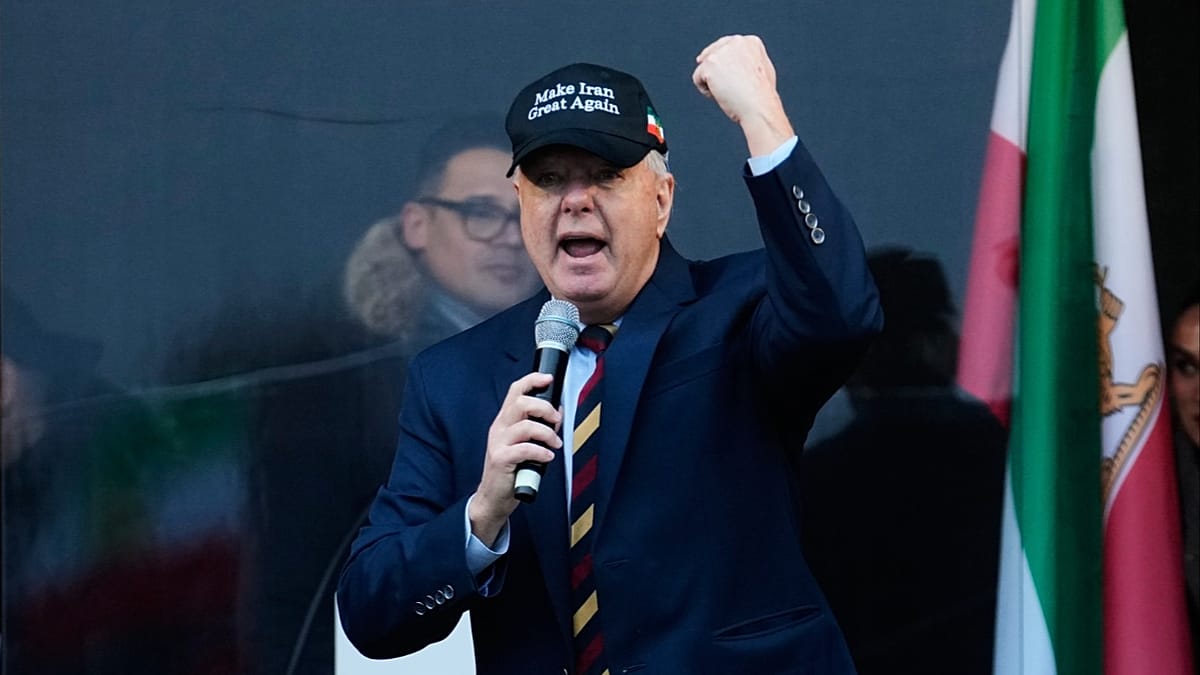
 “Don’t let this moment pass. Be smart, but don’t be locked down with fear,” Graham said at the Munich Security Conference on Friday evening. “Knock it off. You’re emboldening Iran by having this conflict.”
Although both Saudi Arabia and the UAE share a common policy regarding Iran, disagreements over regional conflicts, particularly in Yemen and Sudan, have occasionally strained their coordination. The development underscores the delicate balance of power within the Gulf states and the potential for disruption.
Graham’s warning reflects Washington’s concern that visible rifts among Gulf powers could undermine U.S. Efforts to present a united front against Tehran. He clarified that the disagreement wasn’t about Iran itself, but rather about approaches to other regional issues.
Regional Disputes
In Yemen and the Horn of Africa, Saudi Arabia and the UAE are pursuing similar regional goals but are backing different local groups.
The U.S. Has been increasing its military presence in the Gulf, including deploying a second aircraft carrier and tens of thousands of troops and is preparing for potential extended operations against Iran should negotiations over its nuclear program fail, according to reports.
Iran has stated it is open to discussing compromises if all sanctions are lifted.
Tehran has warned that any conflict would be detrimental to the entire region, but Saudi Arabia and the UAE remain aligned with the United States. Even slight disagreements between the two Gulf nations could have significant consequences given Iran’s active role throughout the region.
