
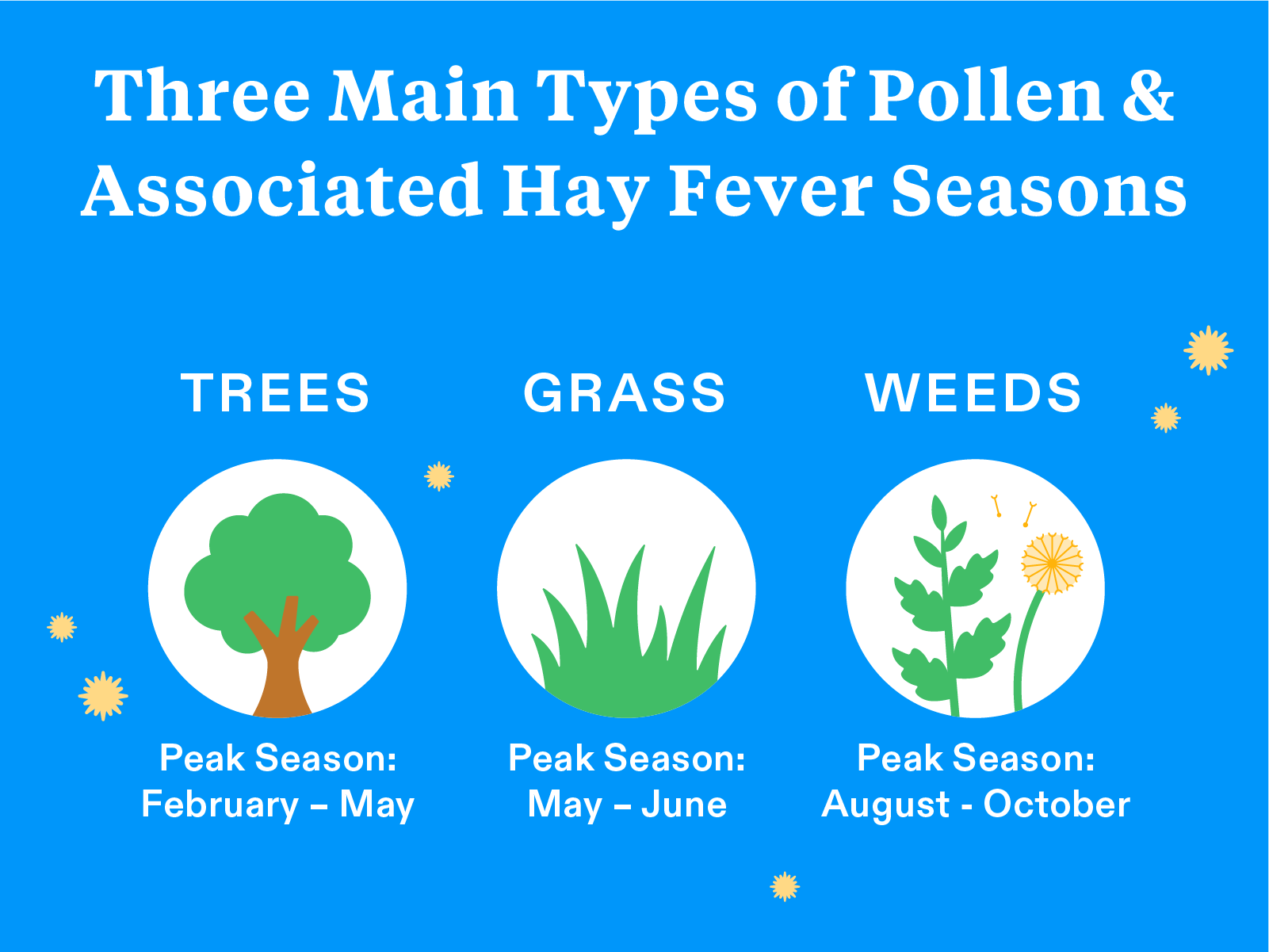
The Growing Impact of Hay Fever: High Pollen Levels and the Role of Urban Planning
As of April 9, 2026, health alerts indicate a significant surge in pollen levels, signaling a challenging start to the hay fever season. Current data shows a high risk for birch pollen, with experts suggesting that this peak is likely to persist longer this year than in previous seasons. This trend is further exacerbated by current weather conditions, which have remained sunny and dry, creating an ideal environment for pollen dispersal.
For many sufferers, the condition is more than a minor inconvenience. The combination of sneezing, watery eyes and runny noses is often underestimated, yet these symptoms can be severe enough to completely incapacitate an individual. This underscores the significant impact allergic rhinitis can have on daily productivity and overall quality of life.
In specific regions, such as Alphen aan den Rijn, the hay fever season has already commenced. To mitigate these effects, residents are increasingly turning to pollen radars to track allergen concentrations and limit their exposure. This proactive approach is becoming essential as high volumes of pollen remain in the air.
Beyond individual management, there is a growing call for systemic changes in urban planning. Reports indicate that municipalities could support residents by altering how trees are planted. By strategically choosing low-allergen species or modifying planting patterns, cities could reduce the environmental triggers that cause widespread respiratory distress. However, these preventative urban strategies have not yet been implemented.
The intersection of environmental factors and urban design highlights a critical public health challenge. as pollen seasons intensify, the need for both personal management tools and systemic municipal intervention becomes increasingly urgent.
