
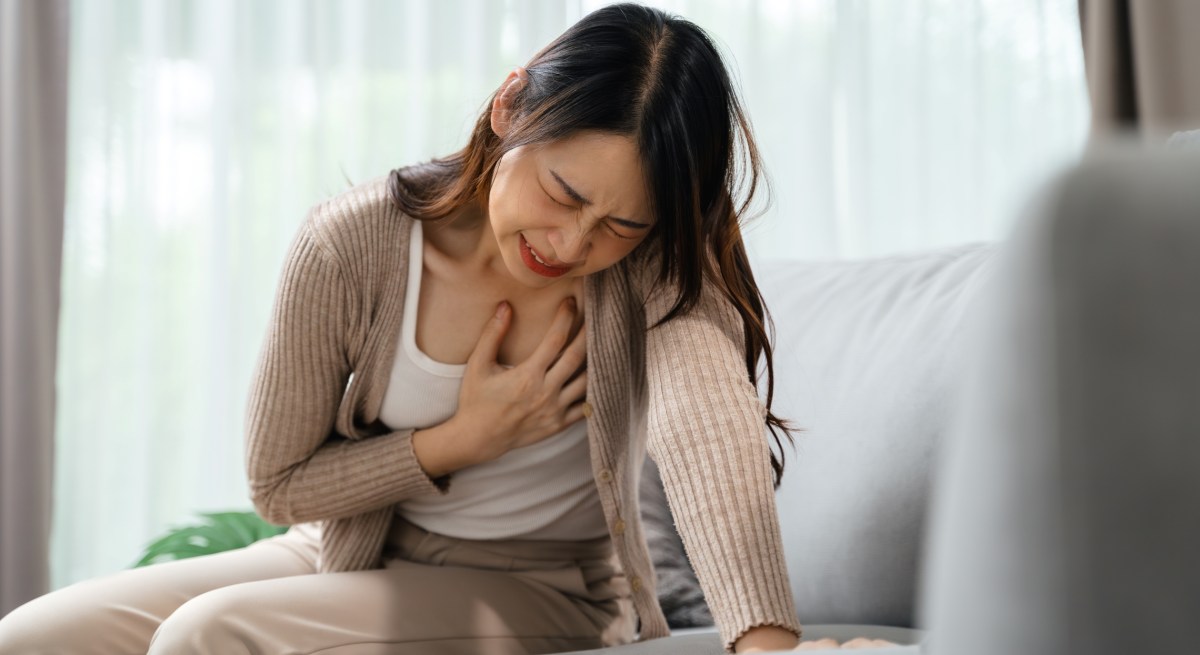
More than 60 million women in the United States live with cardiovascular disease. This translates to one in five female deaths each year being attributed to heart disease, with 37,000 of those deaths resulting from heart attacks. These figures highlight the urgent need to address a condition that has historically been underestimated. Despite the common belief that heart attacks primarily affect men, women are equally vulnerable.
Heart attack symptoms in women can differ from those experienced by men, often presenting more subtly. In addition to chest pain, women may experience other signs such as back pain, fatigue, nausea, and insomnia. Recognizing these differences is crucial for timely intervention and improved outcomes.
Experts emphasize the importance of women recognizing and understanding the unique symptoms associated with heart attacks to seek prompt medical attention. Early detection and treatment can significantly reduce the risk of severe complications and improve survival rates.
Prevention and Risk Factors
The American Heart Association stresses the importance of adopting healthy habits, including a balanced diet, regular exercise, and routine check-ups – collectively known as “Life’s Essential 8.” These lifestyle choices are foundational to cardiovascular health.
Autoimmune conditions and factors like depression have been linked to an increased risk of cardiovascular disease in women. It’s vital for both patients and healthcare providers to discuss these risk factors during medical evaluations.
Acting Quickly on Symptoms
Ignoring symptoms can be fatal. Lori Sepich, among others, has shared her personal experiences, underscoring that a swift response is essential for receiving appropriate treatment and avoiding serious complications. Recognizing the severity of symptoms can be the difference between life and death.
Women must prioritize their heart health and be proactive in recognizing potential problems. Dismissing symptoms can be dangerous, and a proactive approach to prevention and treatment is vital.
Identifying Atypical Heart Attack Symptoms
Women can identify atypical heart attack symptoms by recognizing subtle signals that differ from the classic chest pain commonly experienced by men. Prompt action in response to these signs can save lives, as they are often mistaken for other ailments.
Key Symptoms
- Women more frequently experience symptoms like extreme fatigue, nausea, vomiting, indigestion, or heartburn, which may occur without intense chest pain.
- Other symptoms include pain in the back, neck, jaw, or throat, sudden cold sweats, and shortness of breath, even while at rest or during everyday activities.
- Unusual anxiety or weakness are also common warning signs that should not be ignored.
How to Detect Them Early
- Pay attention to recent or worsening symptoms without a clear cause, such as fatigue that interferes with daily tasks or sweating accompanied by general discomfort.
- Avoid automatically attributing these symptoms to stress, the flu, or digestive issues, as women tend to downplay them.
- If symptoms persist for more than a few minutes or occur in combination (e.g., nausea with shortness of breath), call emergency services immediately.
Immediate Actions
- If possible and without contraindications, chew an aspirin and seek urgent medical help without delay.
- Knowing these signs can reduce delays in treatment, which is critical for preventing further damage.
The Role of Genetics
Genetics and family history are key risk factors for cardiovascular disease in women, increasing susceptibility through inherited genetic variations and familial aggregation. These factors interact with hormonal and environmental influences, potentially increasing risk in women with a family history of early-onset heart disease.
Genetic variations, such as polymorphisms in regions like 9p21 or genes like SCN5A, can elevate the risk of coronary artery disease, heart attack, and other cardiovascular events. Familial cardiomyopathies, often inherited in an autosomal dominant pattern, affect both men and women. In women, there is a sexual dimorphism: genetic polymorphisms are more readily detected and associated with increased mortality from coronary calcification, interacting with sex hormones. Genetic studies highlight specific risks, such as a higher incidence of atrial fibrillation or heart failure linked to genetic scores for depression.
Family History
Having a first-degree relative with cardiovascular disease at a young age (men under 55, women under 65) doubles a woman’s risk, regardless of other factors like high blood pressure or cholesterol. Familial hypercholesterolemia is a key example, causing high cholesterol from birth and early cardiovascular disease if left untreated. Screening of first-degree relatives is recommended.
Implications for Women
Family history is a greater risk factor in women than in men, exacerbated by autoimmune or metabolic conditions that are more prevalent in women. While the genetic risk is similar, women face worse outcomes, such as higher mortality from coronary calcification. Monitoring and a healthy lifestyle can help mitigate these inherited risks.
You may also be interested in:
· Cancer and the Heart Share Risk Factors, Advice You Should Follow to Reduce Them
· During Heart Month: Tiny Changes to Your Diet Are Enough to Make You Healthier
