
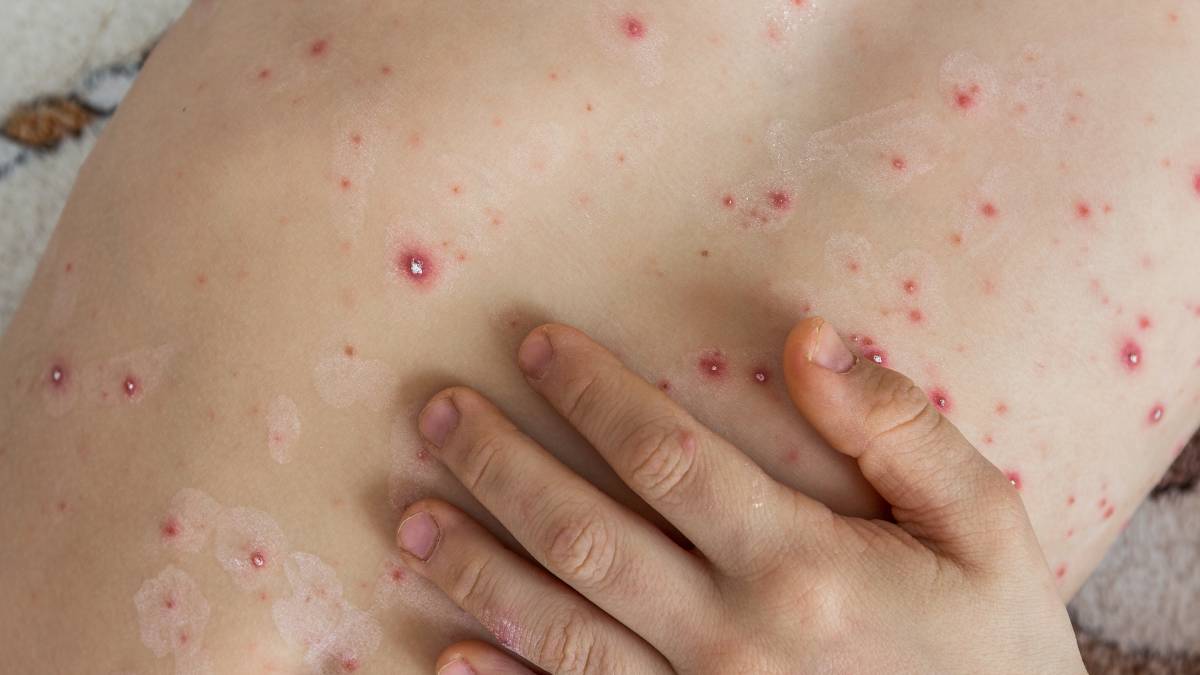
Although chickenpox is a common childhood illness, having the virus doesn’t mean it’s gone for good. The varicella-zoster virus can remain dormant in the body for years, even decades, and reactivate later in life, causing a different condition, according to a specialist from the National Autonomous University of Mexico (UNAM).
José Luis Alfredo Mora Guevara, academic secretary of the Faculty of Higher Studies Zaragoza (FES) UNAM, explained that when the virus reactivates in someone who has had chickenpox, it causes herpes zoster, a disease that typically appears in adulthood.
Approximately 220,000 latest cases of herpes zoster occur annually in Mexico, primarily among individuals over the age of 50.
What is Varicella-Zoster?
Cleveland Clinic explains that the varicella-zoster virus is a type of virus that causes chickenpox, herpes zoster, and other infections.
The virus resides in the ganglia of the nervous system – structures formed by neurons that primarily receive and transmit sensory information from the body.
These are long-lasting cells with limited renewal, making them an ideal refuge for the virus.
The immune system can monitor the virus and prevent reactivation for years or even decades, but this is only possible if the immune system remains strong and healthy.
Observations dating back over a century have shown that herpes zoster lesions follow specific pathways on the skin and commonly affect only one side of the body. These areas correspond to dermatomes, regions connected to a specific sensory nerve.
Further studies confirmed that the virus remains in the neurons of nerve ganglia and, upon reactivation when the body is weakened, travels through a nerve, causing inflammation, nerve damage, and intense pain.
It’s important to note that herpes zóster can only develop in people who have had chickenpox, as This proves a reactivation of the same virus in the nervous system, according to José Luis Alfredo Mora Guevara.
What are the Symptoms of Herpes Zoster?
Herpes zoster begins with a prodromal phase characterized by burning pain, tingling, or itching in a specific area of the body, usually on the torso, although it can too affect the face or the eyes.
Days later, a reddish rash appears with blisters filled with fluid, following the path of the affected nerve and presenting on only one side of the body. These lesions evolve into scabs and heal over a period of two to four weeks.
When the virus affects the eye or the tip of the nose, it is considered a severe form that requires immediate medical attention, as it can cause:
- Inflammation of the cornea (keratitis)
- Uveitis or glaucoma
- Loss of vision, partial or irreversible
During an outbreak, the pain can be intense and persistent, even with mild stimuli like the touch of clothing.
Postherpetic Neuralgia and Other Risks
In most cases, the pain disappears as the skin heals. However, some people, especially older adults, may develop postherpetic neuralgia, a chronic pain that can last for months or years.
In severe cases, facial paralysis can also occur due to nerve damage.
The risk increases when the immune system is weakened by factors such as:
- Diseases such as cancer or HIV
- Immunosuppressive treatments
- Aging
- Physical or emotional stress
- Chronic diseases such as poorly controlled diabetes
How Can Herpes Zoster Be Prevented?
The most effective way to prevent herpes zóster is vaccination, especially in adults over 50 or people with risk factors.
There are two main vaccines:
- Zostavax: contains live attenuated viruses, but its effectiveness decreases over time and is currently used less
- Shingrix: a recombinant vaccine with an efficacy rate close to 90%, currently recommended. It is administered in two doses, even in people who have already had the disease
Diagnosis and Timely Treatment
The diagnosis of herpes zóster is usually clinical, based on symptoms and the appearance of the lesions, especially due to their unilateral distribution in dermatomes.
In atypical cases, tests such as PCR (polymerase chain reaction) may be performed to detect the virus’s genetic material.
Treatment with antivirals is most effective if started within the first 72 hours after the appearance of the lesions, as it reduces the duration of the outbreak, pain, and risk of complications.
If you have a complaint, report, or concern, contact Uno TV via WhatsApp: +52 55 8056 9131. We are here to listen to you and offer voice to your story.
