
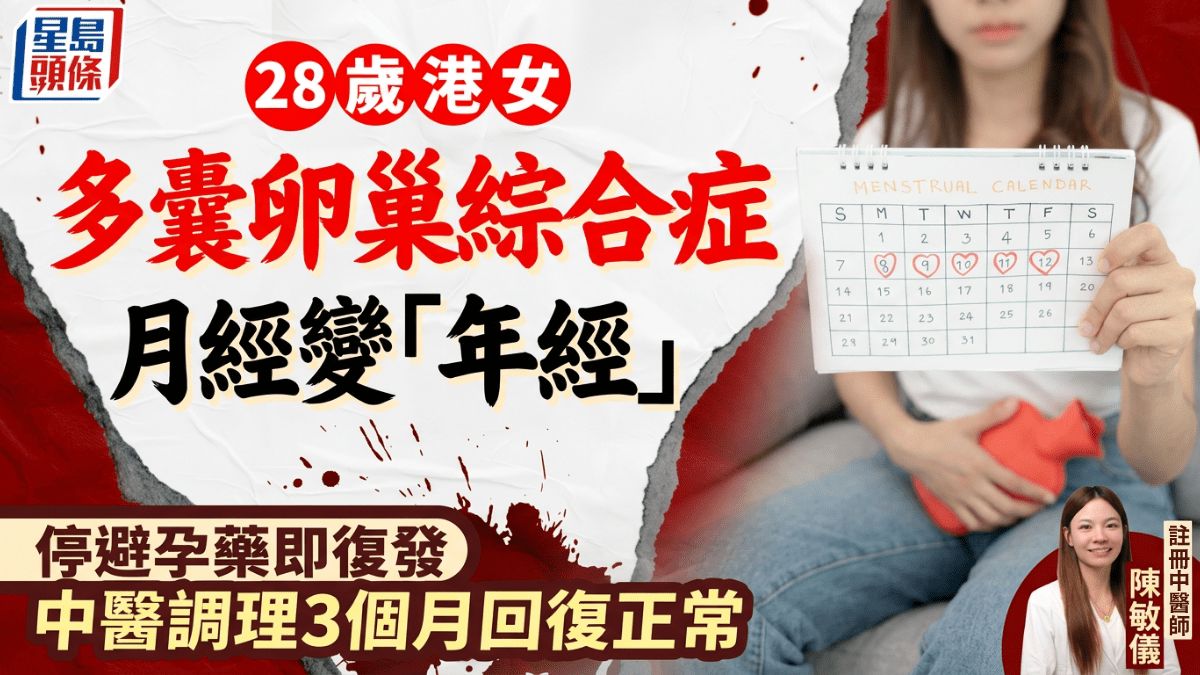
Integrating Traditional Chinese Medicine for PCOS: A Case Study on Hormonal Balance and Recovery
Polycystic Ovary Syndrome (PCOS) is a complex endocrine disorder that affects approximately 8% to 15% of women of reproductive age, according to data from the Hong Kong College of Obstetricians and Gynaecologists and international epidemiological studies. Characterized by hormonal imbalances, the condition often manifests through irregular menstrual cycles, ovulation difficulties, and metabolic challenges.
A recent clinical case involving a 28-year-traditional woman from Hong Kong highlights the challenges of managing PCOS and the potential for recovery through a multidisciplinary approach. The patient experienced severe menstrual irregularities, with her periods becoming so infrequent they were described as “annual,” and found that symptoms recurred immediately upon stopping contraceptive medication.
The Impact of PCOS on Women’s Health
PCOS is more than just a reproductive issue. it is a systemic metabolic disorder. Common symptoms include:
- Irregular or prolonged menstrual cycles, often with fewer than nine periods per year.
- Hyperandrogenism, which can lead to acne, hirsutism (excess facial and body hair), and male-pattern baldness.
- Polycystic ovaries, where the ovaries enlarge and develop multiple small follicles containing immature eggs.
- Weight gain, specifically central obesity, and insulin resistance.
If left untreated, PCOS can increase the long-term risk of developing diabetes and cardiovascular diseases, making early diagnosis and comprehensive management critical for overall wellness.
A Shift Toward Integrative Treatment
In the reported case, the patient suffered from persistent acne, increased facial hair, and difficulty losing weight. Ultrasound imaging confirmed the presence of polycystic ovaries, and blood tests indicated significantly elevated androgen levels. While hormonal therapies were attempted, the patient experienced limited success and adverse side effects.
Seeking an alternative, the patient turned to a registered Traditional Chinese Medicine (TCM) practitioner. From a TCM perspective, the condition was diagnosed as “phlegm-dampness obstruction and liver qi stagnation.” This view suggests that PCOS often stems from deficiencies in the spleen and kidneys, leading to the accumulation of phlegm and blood stasis that obstructs the “Chong and Ren” collaterals.
The Path to Recovery: TCM Interventions
The patient underwent a personalized three-month treatment plan that combined several modalities to address the root cause of the imbalance:
Acupuncture Therapy: Weekly sessions focusing on key points such as Sanyinjiao (SP6), Zhongji (CV3), Zigong, and Taichong (LR3) were utilized to regulate the body’s energy and blood flow.
Herbal Medicine: Individualized herbal decoctions were prescribed to clear phlegm, resolve blood stasis, and strengthen the spleen and kidneys.
Lifestyle Modification: The clinical approach was supported by strict dietary adjustments and regular exercise to manage weight and improve metabolic health.
After three months of this integrated regimen, the patient reported a return to regular menstrual cycles. There were visible improvements in her skin (reduction in acne), a decrease in excess hair growth, and positive changes in both her mood and weight.
This case underscores the potential of combining Western diagnostic precision with TCM’s holistic approach to restore hormonal equilibrium and improve the quality of life for women struggling with PCOS.
