
Honda CEO Admits ‘No Chance’ Against Chinese Competition Amid Massive EV Writedowns
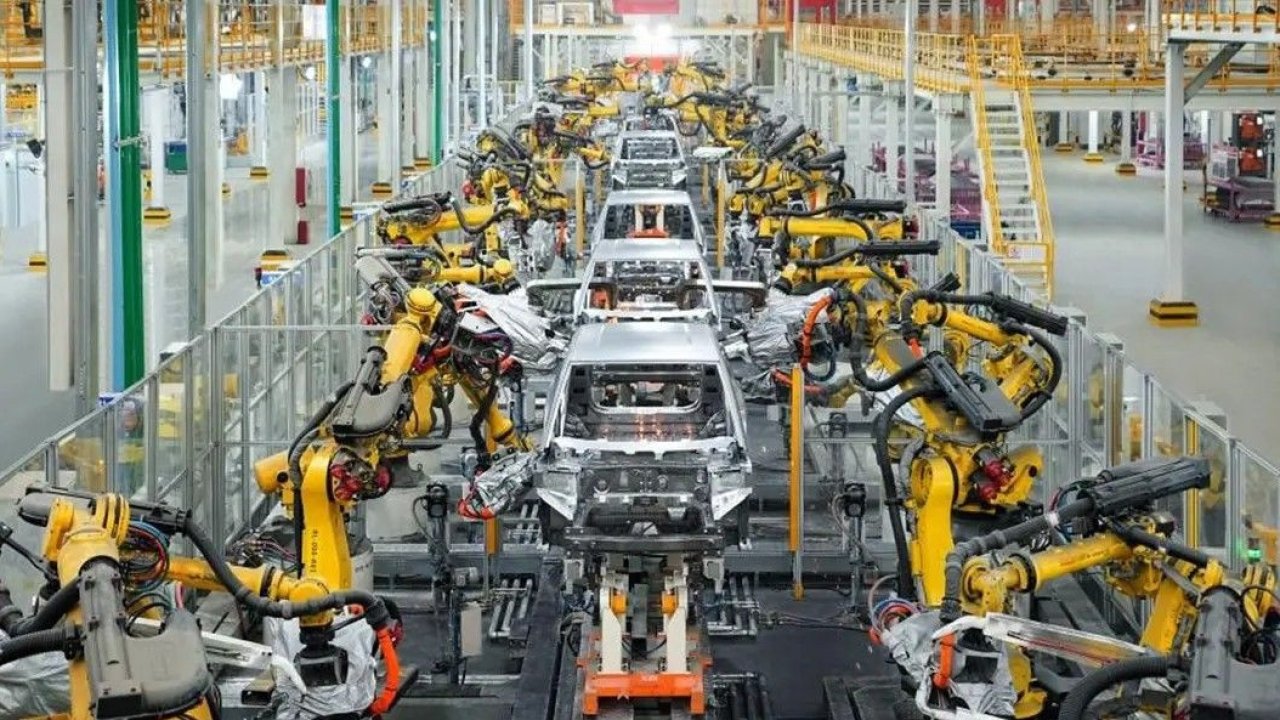
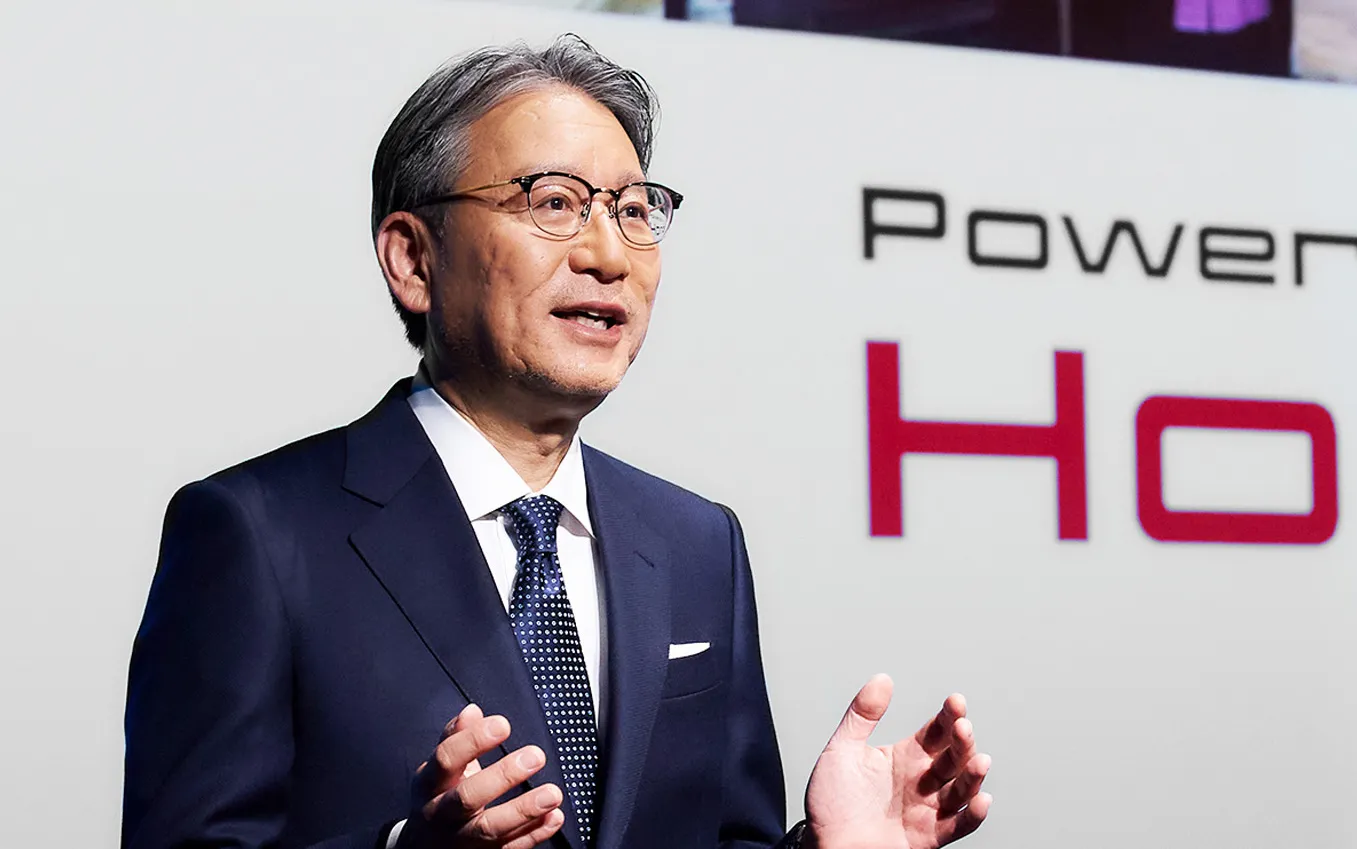
Honda Motor Co. Is facing a critical strategic inflection point as it grapples with a collapsing market share in China and a staggering financial reversal in its electric vehicle (EV) ambitions. Following a visit to a supplier factory in Shanghai, Honda President and CEO Toshihiro Mibe delivered a blunt assessment of the company’s position, stating, “We have no chance against this,” in reference to the overwhelming strength and efficiency of Chinese auto suppliers.
The admission underscores the phenomenon known as “China Speed,” where domestic manufacturers are capable of developing and launching brand-new vehicle models in two years or less. This agility has left traditional global automakers struggling to maintain a profitable business case for electrification. The dynamic nature of the automotive industry has forced Honda to urgently restructure its vehicle development and pivot its strategy in the region to survive.
The decline in China has been precipitous. Honda’s annual sales in the country fell for the fifth consecutive year in 2025, dropping to 640,000 units from a peak of 1.62 million in 2020. This collapse has severely impacted operational efficiency; currently, only about half of Honda’s manufacturing footprint in China is being utilized—well below the 70–80 percent threshold typically required for profitability in the sector. Projections for 2026 indicate that annual output will slide further, falling below 600,000 units.
The financial repercussions of these market challenges are substantial. Honda has recorded an EV writedown of approximately $15.7 billion, a move that signals a painful reversal of its previous U.S. And global strategies. This financial strain has led to the cancellation of several high-profile projects, including the “0 SUV,” the “0 Sedan,” and the revival of the Acura RSX. Total losses associated with these shifts could reach up to $15.8 billion.
The volatility has also extended to the company’s high-tech partnership with Sony. On March 25, 2026, Sony Honda Mobility announced the discontinuation of the development and launch of the AFEELA 1 and a second planned model. This decision comes as a significant blow to the joint venture, especially following the March 16, 2026, opening of the AFEELA Studio & Delivery Hub in Torrance, California. The AFEELA 1 was positioned as a premium intelligence-driven mobility solution, starting at $89,900 with an EPA-estimated range of up to 300 miles and a suite of 40 sensors.
These alarming remarks from leadership and the subsequent decision regarding joint electric vehicles highlight a broader trend of traditional automakers struggling to establish profitable EV business cases in the face of aggressive Chinese expansion. Whereas Honda continues to push for faster production cycles to close the gap, the company’s recent writedowns underscore the immense difficulty of pivoting in a market defined by rapid disruption.
For those following Honda’s strategic challenges in China, the current situation serves as a cautionary tale of the risks associated with slower development cycles in the era of the electric transition.
