
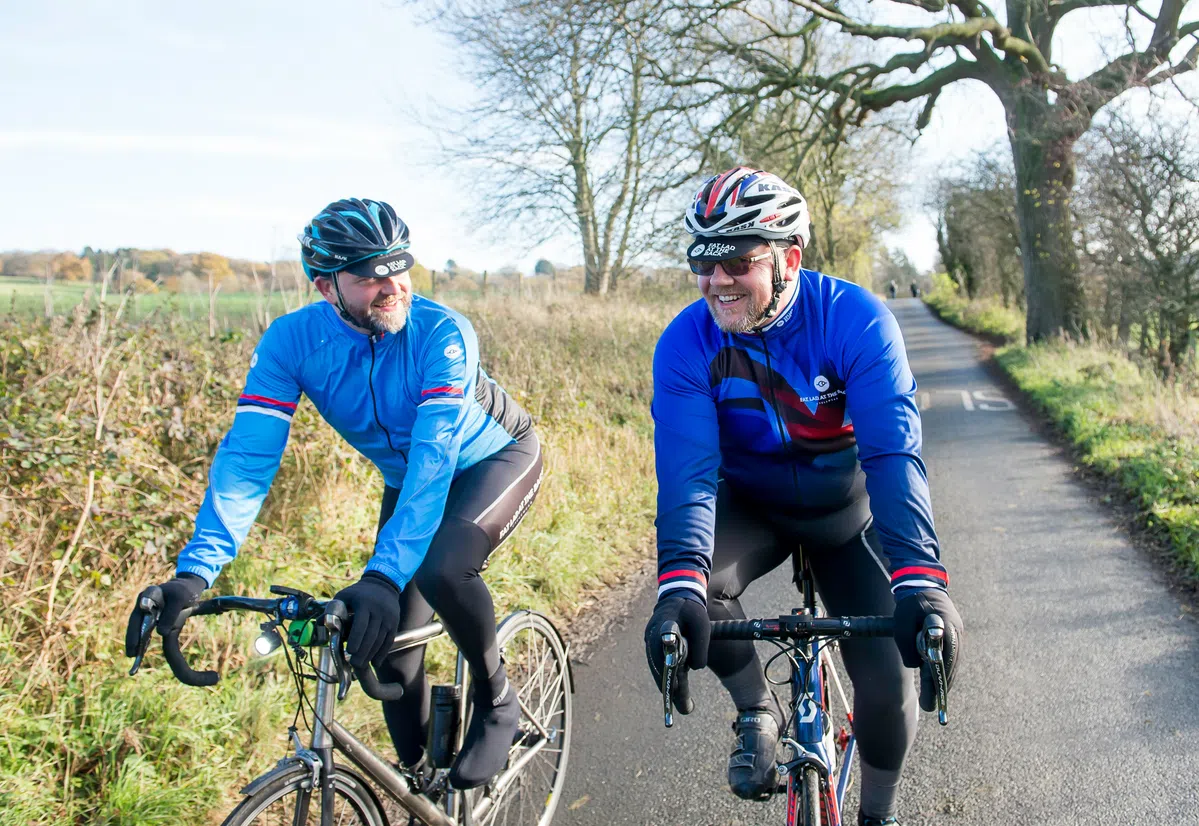
Cycling is often touted as a lifestyle choice that can contribute to a longer life. But how significant is that benefit? Recent research, based on large cohort studies and meta-analyses, clarifies the connection between cycling and longevity.
>>>
What Does Research Say About Lifespan?
Studies involving large groups of people tracked over extended periods consistently demonstrate that individuals who cycle regularly have a substantially lower risk of premature death compared to those who are less active. Some studies indicate this difference can be as high as 40 percent. This doesn’t automatically translate to a 40 percent increase in lifespan, but it does significantly reduce the likelihood of dying young.
Long-term studies focusing on commuting habits also reveal that cyclists not only live longer but also experience fewer instances of cardiovascular disease and mental health issues. The benefits extend beyond simply living longer, directly impacting overall quality of life.
>>> Read also: Active commuting and cancer: Why cycling does more than keep you fit
How Many Years of Life Can Cycling Add?
When considering the impact on actual years lived, the benefits become more realistic. On a population level, cycling is associated with an average increase in life expectancy of approximately six months. While this may seem modest, the average is influenced by individuals who engage in very little physical activity.
For someone who actively incorporates cycling into their routine, the benefits are more pronounced. Even just one to three hours of cycling per week can lead to clear health improvements and a reduced risk of mortality. This often translates to adding multiple healthy years to one’s life, particularly due to the fact that illnesses may be delayed or less severe. Professional cyclists demonstrate even greater differences, with former professional cyclists living, on average, several years longer than the general population. However, these results aren’t directly applicable to recreational cyclists.
Why is Cycling So Effective?
Cycling’s effectiveness stems from its ability to positively influence multiple health factors simultaneously. It improves cardiovascular fitness, aids in weight management, and lowers the risk of chronic conditions like diabetes. It has a positive impact on mental health, which indirectly contributes to a longer lifespan. Perhaps the most significant reason cycling is so powerful is its sustainability. Unlike more intense sports, it easily integrates into daily life. This consistency allows the benefits to accumulate over years.
The conclusion is clear. Cycling doesn’t guarantee an extra ten years of life, but it demonstrably increases the chances of living a longer and healthier life. And these effects begin with relatively little effort.
