
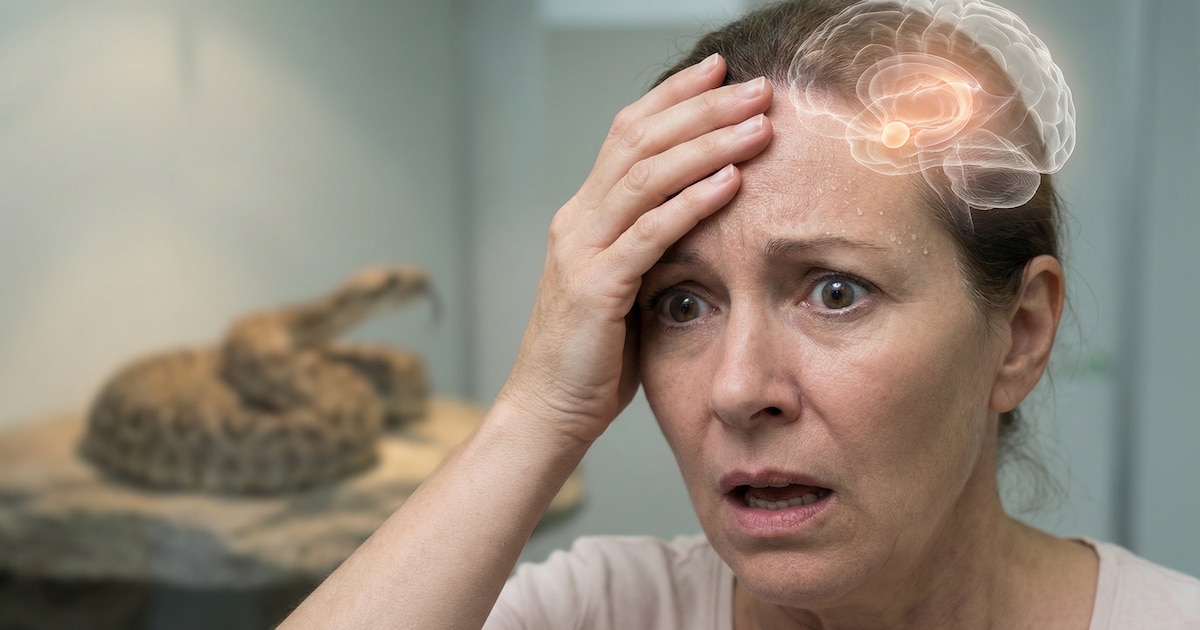
Healing the ‘Psychological Wound’: Integrative Approaches to Treating Post-Traumatic Stress Disorder
Post-traumatic stress disorder (PTSD) is a complex mental health condition triggered by experiencing or witnessing a terrifying event. For many, the impact of such trauma does not simply fade with time; instead, it can manifest as a persistent emotional and physical burden that disrupts daily life years after the initial incident.
According to the Mayo Clinic, those suffering from PTSD may experience uncontrollable thoughts about the event, severe distress, nightmares, and flashbacks. The American Psychological Association further defines the disorder as a response to events where an individual perceives a threat to their life, physical integrity, or security, leading to overwhelming feelings of fear, terror, or helplessness.
Understanding the long-term persistence of trauma is critical for developing more effective intervention strategies that prevent chronic mental health decline and improve overall public wellness.
The Concept of the ‘Psychological Wound’
Juan Lucas Martin, an Argentine clinical psychologist specializing in anxiety, phobias, and PTSD, describes trauma through a biological lens. He explains that the term “trauma” originates from the Greek word for wound.
“Just as we sometimes have a skin wound that does not heal, the same thing happens in the psyche, in our mind,” Martin noted.
While some individuals are able to process traumatic events and move forward without lasting distress, others discover that the trauma remains unresolved. In these cases, remembering the event can trigger the same emotional and physical sensations experienced during the original crisis, even if two decades have passed since the event occurred.
An Integrative Path to Recovery
To address these deep-seated emotional wounds, Martin has developed a multidisciplinary approach to treatment. Rather than relying on a single method, his framework integrates three distinct pillars of healing:
- Traditional Clinical Psychology: Utilizing established therapeutic practices to address mental health.
- Neuroscience: Applying scientific understanding of brain function to help the mind adjust its response to fear.
- Eastern Wisdom: Incorporating holistic practices focused on spiritual, mental, and emotional well-being.
This integrative model suggests that achieving true equilibrium and a deep sense of purpose requires a comprehensive approach that addresses the patient’s psychological and spiritual needs alongside clinical treatment.
Expanding Access to Trauma Tools
The need for specialized emotional support continues to grow as more people seek balance and mental stability. In response, Juan Lucas Martin is scheduled to share these therapeutic tools in Argentina during late June 2025, with presentations planned for Buenos Aires, Córdoba, and Rosario.
The shift toward combining neuroscience with holistic wellness underscores a broader evolution in mental health care, aiming to provide more versatile tools for those struggling to escape the cycle of emotional trauma.
