
Human papillomavirus (HPV) is the most common sexually transmitted infection worldwide, and a significant public health concern. The virus can infect the skin and mucous membranes, particularly in the genital and oral areas, and while infections often resolve on their own, persistent high-risk types can lead to various cancers.
HPV is linked to nearly 100% of cervical cancers, as well as other cancers of the anogenital area, and oropharynx. In Spain, more than 3,000 cancer cases are estimated to be attributable to the virus each year. Prevention strategies, including vaccination and population-based screening, are key to reducing the burden of HPV-related disease.
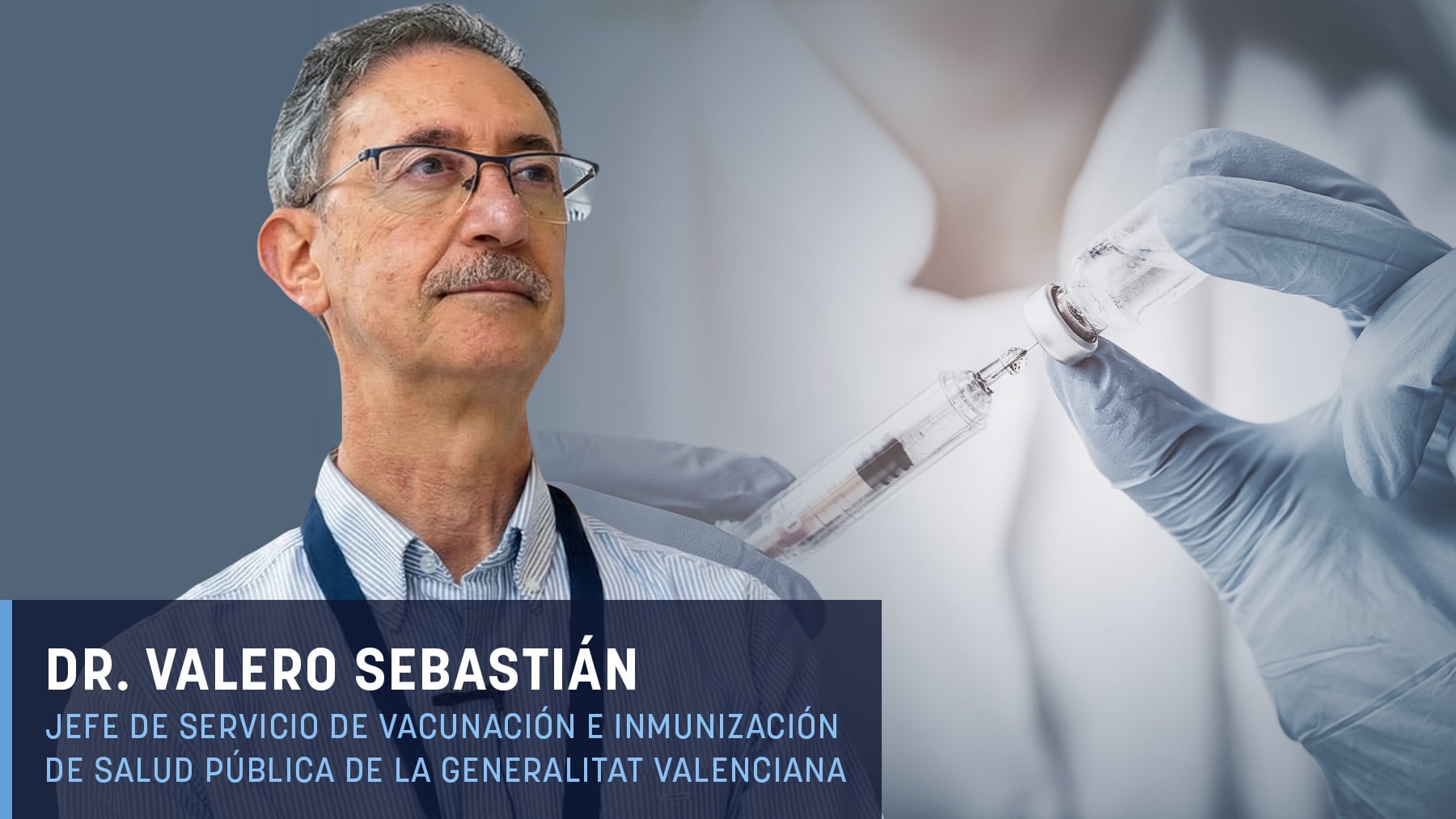
Experts emphasize the importance of vaccination, particularly for children and adolescents. Valero Sebastián, head of the Vaccination and Systematic Immunization Service and Risk Groups of the General Directorate of Public Health of the Valencian Community, explained that the inclusion of the HPV vaccine in Spain’s vaccination schedules has been a fundamental step in prevention. In addition to systematic vaccination, catch-up programs have been implemented to target individuals not previously vaccinated up to the age of 18, aiming to expand protection to more adolescents and young adults.
What is HPV and why is it the most common sexually transmitted infection?
HPV is a group of viruses that infect the skin and mucous membranes, especially in the genital and oral areas. It is primarily transmitted through direct skin-to-skin contact during sexual activity. The virus is so common because of its high contagiousness and the fact that it often spreads even when an infected person shows no symptoms. It’s estimated that up to 80% of sexually active people will contract the virus at some point in their lives.
While most HPV infections clear up on their own thanks to the immune system, persistent infection can lead to lesions that may eventually develop into cancer.
What is the real impact of this infection on public health in Spain, given its link to several cancers and genital warts?
The impact of HPV on public health is significant due to its high prevalence and ability to cause a range of illnesses, from benign lesions to cancer. The virus is responsible for almost 100% of cervical cancers and is likewise implicated in a substantial proportion of cancers of the anogenital area and oropharynx. Low-risk types of the virus cause the majority of genital warts, creating a considerable burden on primary care and specialist clinics.
Spain sees an estimated 3,000 cancer cases annually attributable to HPV, with cervical cancer being the most frequent, accounting for around 2,000 cases per year. In men, one of the most common tumors associated with the virus is oropharyngeal cancer, with approximately 1,000 new cases each year. Beyond cancer, HPV also contributes to a significant burden from precancerous lesions requiring monitoring and treatment, and from genital warts, which affect quality of life and incur additional healthcare costs.
What role does HPV play in the development of less well-known cancers, such as those of the penis, vulva, vagina, or oropharynx?
HPV isn’t solely linked to cervical cancer. It also participates in the development of other, less commonly known tumors, with a well-established relationship to certain high-risk genotypes of the virus. Epidemiological studies show that HPV is implicated in approximately 90% of anal cancers, 70% of vaginal cancers, around 50% of vulvar cancers, nearly 40% of penile cancers, and approximately 30% of oropharyngeal cancers.
This data highlights the virus’s relevance in different tumors of the anogenital area and some head and neck cancers. From a public health perspective, this has broadened the traditional view of HPV, which was primarily focused on cervical cancer, to a more comprehensive approach considering the virus’s impact on multiple oncological diseases in both sexes.
Spain has included HPV vaccination in the childhood immunization schedule. What specific benefits have been observed since its implementation?
Spain introduced HPV vaccination into the systematic schedule in 2007 for girls, and later expanded the program to include boys in 2022. One of the most important benefits observed is high vaccination coverage among adolescents, which helps generate significant population-level protection against the virus. In some male cohorts, for example, first-dose coverage exceeds 90%.
International experience from countries that started these programs earlier demonstrates substantial reductions in precancerous cervical lesions and genital warts in vaccinated generations. These strategies are expected to have a significant impact on reducing future HPV-related diseases. Vaccinating before the onset of sexual activity maximizes individual protection and population impact, reducing virus circulation and, in the long term, associated diseases.
In addition to systematic vaccination, “catch-up” programs have been developed up to the age of 18. How do they work and what impact is expected from them?
Catch-up programs target individuals who did not receive the vaccine at the recommended age in the vaccination schedule. When a vaccine is introduced into a national program, some cohorts are initially left out. Catch-up strategies aim to reach these individuals and reduce the susceptible population. In the case of HPV, catch-up programs primarily target adolescents who were not vaccinated at age 12, with the goal of expanding population protection and accelerating the impact of the vaccination program on reducing HPV-related diseases.
Currently, recommendations for catch-up extend to age 18, although many autonomous communities are extending these coverages to age 25. The recommendation of a single dose in this population group up to age 25 will support increase coverage and protect primarily before likely infection.
What risk groups still have insufficient vaccine coverage and what strategies are being carried out to reach them?
Priority groups include people with immunosuppression, such as those living with HIV infection, transplant patients, or individuals with certain immunodeficiencies. Men who have sex with men (MSM) and people in prostitution are also included, as they are at higher risk of exposure to the virus and developing associated complications.
Several strategies are being developed to improve protection in these groups. Specific vaccination is recommended in specialized health services, such as sexually transmitted infection clinics, preventive medicine units, or sexual health programs. Registration and monitoring systems are also being strengthened to better identify unvaccinated individuals. Some regional programs have expanded vaccination ages for risk groups to 45 years, as in the Valencian Community.
The goal of these strategies is to ensure that vaccination also reaches the most vulnerable populations and reduce the burden of HPV-related disease throughout the population.
What combination of strategies do you consider most effective for the elimination of cervical cancer in Spain and globally?
Scientific evidence indicates that the most effective way to move towards the elimination of cervical cancer is to combine primary and secondary prevention within an integrated public health strategy. HPV vaccination reduces the circulation of high-risk genotypes responsible for most cervical cancer cases. When administered in adolescence, before exposure to the virus, it has been shown to significantly reduce the incidence of precancerous lesions and cervical cancer in vaccinated generations.
Population-based cervical cancer screening programs remain fundamental, especially for women who did not benefit from vaccination in adolescence. In Spain, screening is based on the detection of high-risk HPV or cytology, depending on age, in women between 25 and 65 years old, allowing for the identification and treatment of precursor lesions before they develop into invasive cancer.
Globally, this combination is reflected in the strategy promoted by the World Health Organization, known as the 90-70-90 target: achieving 90% HPV vaccination coverage for girls before the age of 15, screening 70% of women, and treating 90% of women with precancerous lesions or cancer. These measures offer the greatest potential for cervical cancer to cease being a public health problem in the coming decades.
How do you see the future of HPV immunization in the next 10-15 years?
The future of HPV immunization in the next 10-15 years is particularly promising and will be marked by three major advances: greater population coverage, simplification of vaccination schedules, and better integration with other prevention strategies. First, an expansion of universal vaccination programs in adolescents is expected, systematically including boys and girls in an increasing number of countries. This will reduce virus circulation in the general population and increase community immunity, which will have a significant impact on reducing HPV-related diseases.
Second, scientific evidence is moving towards simpler vaccination schedules, such as single-dose strategies in immunocompetent adolescents. This type of program facilitates the implementation of vaccination campaigns, improves adherence, and optimizes health resources, which is particularly relevant in countries with more limited health systems.
in the coming years we will see better integration between vaccination, population screening, and health registration systems, which will allow for a more accurate assessment of the real impact of interventions and adjustment of public health strategies. If these measures are maintained and high vaccination and screening coverage rates are achieved, it is reasonable to believe that in the coming decades we will see a very significant reduction in HPV-related cancers and move towards the goal set by the international community of making cervical cancer no longer a public health problem.
