
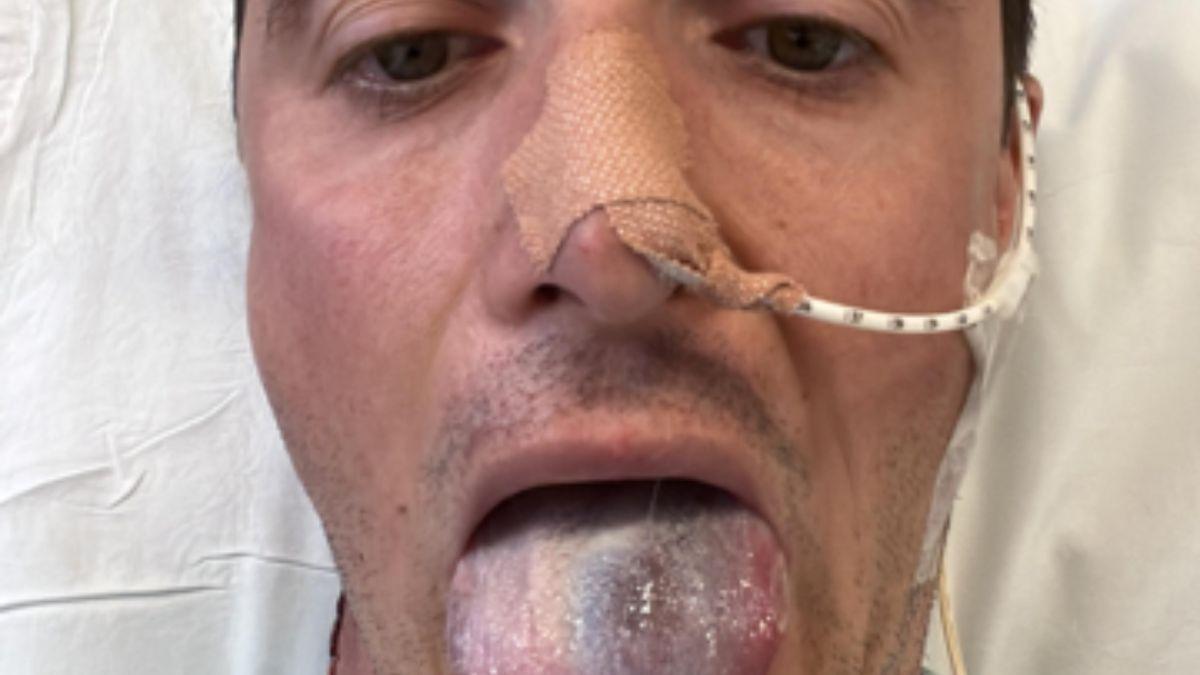
A seemingly minor, painless lump in the neck was the first sign of a life-threatening cancer for Anthony Perriam, a father of two from Cardiff, Wales. His experience highlights the importance of recognizing potential cancer symptoms and understanding that the human papillomavirus (HPV) isn’t just a women’s health issue.
What began as a non-troubling swelling ultimately led to a diagnosis of oropharyngeal cancer linked to the human papillomavirus (HPV), a virus most commonly associated with cervical cancer.
A Surprise Diagnosis for Anthony Perriam
In March 2023, after returning from a family vacation, Perriam noticed a small, hard lump under his right jaw. It wasn’t painful or causing any obvious discomfort, but he decided to see his doctor as a precaution.
Following tests including a CT scan, biopsy, and MRI, he received a diagnosis of HPV-related oropharyngeal cancer.
The tumor was located at the base of his tongue and had spread to the lymph nodes in his neck. According to information published by the Cardiff and Vale University Health Board of the NHS in Wales, his treatment included surgery and specialized therapies to control the disease. Doctors warned that if it hadn’t been detected early, the cancer could have required partial removal of his tongue or even threatened his life.
Perriam stated he didn’t know that HPV could cause cancer in men, a sentiment that reflects a common misunderstanding. For years, public conversation about the virus has largely focused on cervical cancer.
Understanding Oropharyngeal Cancer and its Link to HPV
Oropharyngeal cancer affects the back of the throat, including the base of the tongue, tonsils, and the back of the soft palate. It is a type of head and neck cancer.
The Centers for Disease Control and Prevention (CDC) explains that the human papillomavirus, particularly type 16, is associated with a large proportion of these tumors. In the United States, between 60% and 70% of oropharyngeal cancer cases are linked to HPV.
The virus is primarily transmitted through sexual contact, including oral sex. In most cases, the immune system clears the infection without consequences. Though, when the virus persists for years, it can cause cellular changes that increase the risk of cancer.
The National Cancer Institute (NCI) notes that HPV-related oropharyngeal cancers are often diagnosed in younger individuals than those associated with tobacco and alcohol use, and generally respond better to treatment, though complications can still occur.
Symptoms to Watch For
In Anthony Perriam’s case, the only initial symptom was a persistent lump in his neck, which occurs when lymph nodes react to the presence of the tumor. However, other symptoms can include:
- Pain when swallowing
- A sensation of something stuck in the throat
- Changes in voice
- Ear pain without an apparent cause
- Sores in the mouth that don’t heal
Medical professionals recommend consulting a doctor if symptoms last longer than two weeks. Early evaluation can reduce the need for extensive procedures and improve the prognosis.
HPV in Men: A Less Visible Risk
HPV is one of the most common sexually transmitted infections worldwide. The World Health Organization (WHO) estimates that most sexually active people will contract the virus at some point in their lives.
Although media attention has historically focused on cervical cancer, current data shows the impact of HPV on men is also significant. The CDC reports that approximately one in ten men may have oral HPV infection at some point.
In several developed countries, the incidence of HPV-associated oropharyngeal cancer has steadily increased in recent decades. In some areas, it has surpassed cervical cancer as the most common HPV-linked cancer.
This information supports the message Perriam is sharing publicly: the virus doesn’t discriminate by gender. Understanding this broader risk is crucial for public health initiatives.
Treatment and Potential Side Effects
Treatment for oropharyngeal cancer depends on the size and extent of the tumor. It may include surgery, radiation therapy, chemotherapy, or a combination of these options.
In cases like Perriam’s, surgery aims to remove the tumor and affected lymph nodes. Radiation therapy destroys any remaining cancer cells. Chemotherapy may be used to complement the process if there’s a risk of spread.
Although HPV-related tumors generally respond better to treatment than those linked to smoking and alcohol, procedures can affect functions like speech, and swallowing. Post-treatment rehabilitation is an essential part of the recovery process.
The National Cancer Institute notes that advances in surgical and radiation techniques allow for better preservation of functions, but the physical and emotional impact requires ongoing medical follow-up.
Prevention: Vaccination and Early Detection
The HPV vaccine is the primary preventative tool. The WHO and CDC recommend it be administered to both girls and boys before the start of sexual activity. It is also considered for adolescents and young adults who didn’t receive the vaccination in childhood.
The vaccine protects against the types of HPV that cause most HPV-related cancers, including those of the oropharynx.
Anthony Perriam emphasizes a specific message: seek medical evaluation for any persistent lump or symptom in the neck or throat. Early detection improves the chances of successful treatment.
The case of Anthony Perriam illustrates the connection between the human papillomavirus and oropharyngeal cancer, a disease affecting the base of the tongue and throat, and whose incidence has increased in men in recent decades.
Organizations like the CDC, WHO, and National Cancer Institute recognize that a significant proportion of these tumors are associated with HPV and that vaccination, along with medical attention for persistent symptoms like neck lumps or difficulty swallowing, is a key measure to reduce risks and improve prognosis.
