
Hungarian Prime Minister Viktor Orbán Faces Potential Ousting in High-Stakes Election
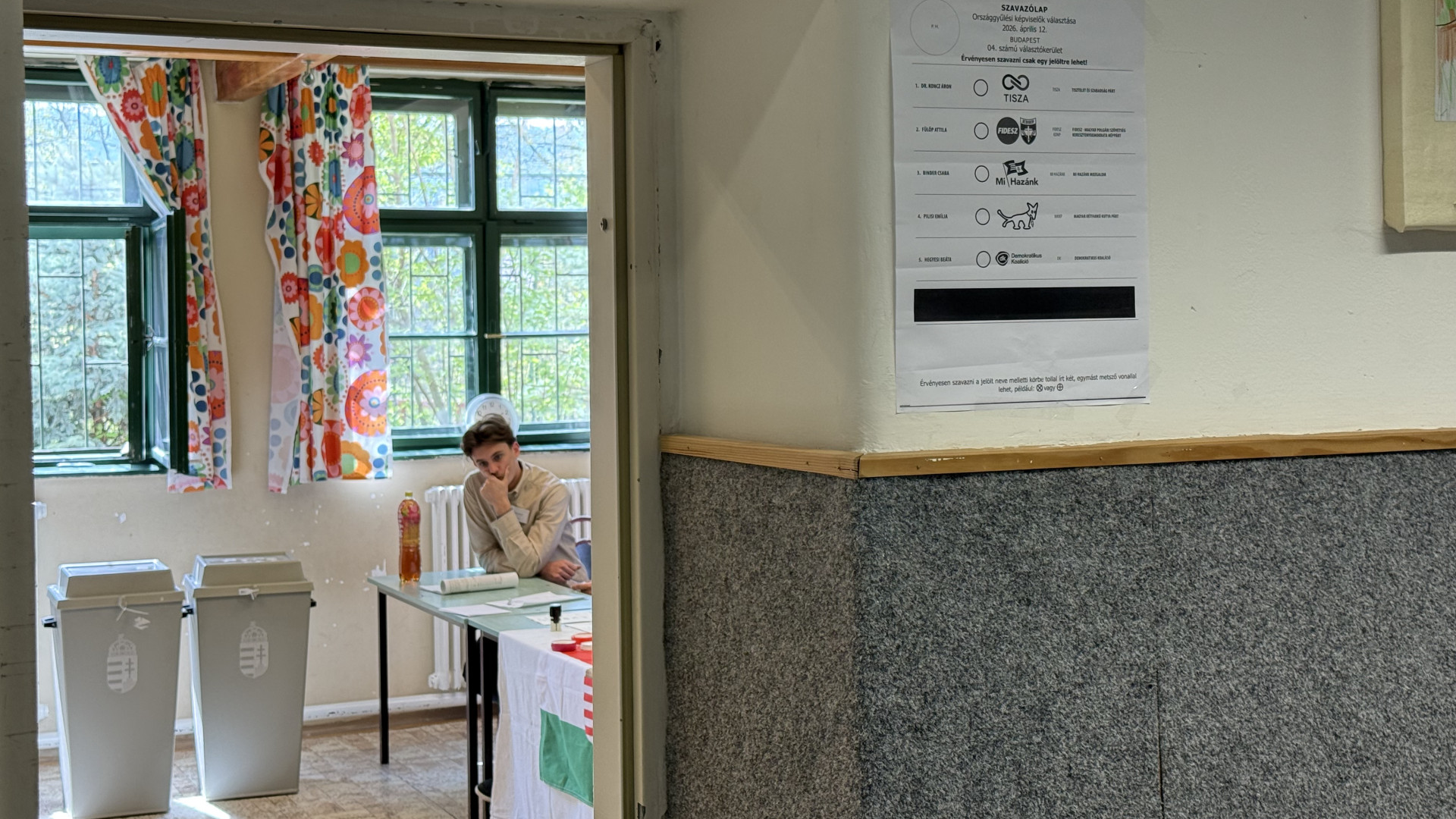
Viktor Orbán, the longest-serving leader in the European Union, may be on the verge of losing power in Hungary’s parliamentary elections on April 12, 2026. After 16 consecutive years in office, the Prime Minister is facing what analysts describe as his most significant challenge to date.
Recent polling suggests a shift in voter sentiment. A poll conducted on April 9, 2026, by the independent pro-democracy research group the IDEA Institute indicates that Orbán’s ruling Fidesz party is trailing the opposition. According to the data, the center-right Tisza Party, led by former party insider Péter Magyar, has the support of 50% of decided voters, while Fidesz has dropped to 37%.
The election serves as a critical stress test for Orbán’s governance model, which he has variously described as “Christian liberty” and “illiberal democracy.” While his supporters and allies in the U.S. MAGA movement categorize his approach as “national conservatism,” the European Parliament has denounced the current state of Hungary as a “hybrid regime of electoral autocracy.”
Orbán’s tenure since 2010 has been marked by deep friction with Brussels. He has repeatedly clashed with European Union colleagues over the Russian invasion of Ukraine, blocking essential funding for Kyiv. These tensions have left the Fidesz leader increasingly isolated among EU leaders, even as his Foreign Minister, Péter Szijjártó, recently characterized the sharing of EU meeting details with Russian counterpart Sergei Lavrov as “everyday diplomacy.”
Despite the friction within Europe, Orbán maintains powerful international alliances. He is widely considered the strongest partner of Vladimir Putin within the EU and has received an endorsement from U.S. President Donald Trump. This support was highlighted on April 7, 2026, when U.S. Vice President JD Vance visited Budapest, intervening in the campaign to urge voters to “stand with Viktor Orbán.”
The potential change in leadership comes amid severe criticism from international human rights and democracy watchdogs. Freedom House has designated Hungary as only “partly free,” citing a stifling of independent institutions and elections that are not fully free and fair. Similarly, Transparency International has ranked Hungary as the most corrupt country in the European Union.
Human Rights Watch has accused the Orbán administration of using its parliamentary supermajority to dismantle the independence of the judiciary and suppress independent media. The organization as well noted the government’s efforts to discriminate against LGBTQ individuals and the apply of xenophobic rhetoric, including Orbán’s descriptions of refugees as “Muslim invaders.”
Orbán, who first served as prime minister from 1998 to 2002 before returning to power in 2010, has fundamentally reshaped the Hungarian state. His legacy includes the implementation of a latest constitution and the construction of a border barrier. The outcome of the April 12 vote will determine whether this era of “Orbanism” continues or if the country pivots toward the center-right opposition led by Magyar.
