
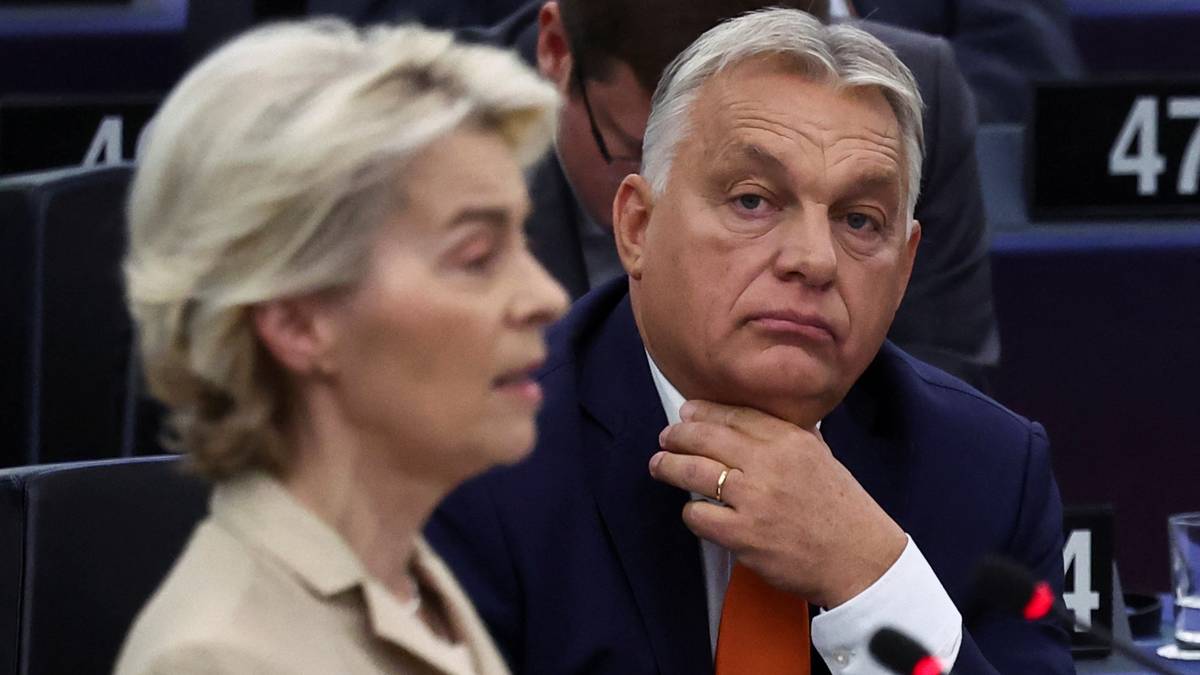
Péter Magyar Triumphs in Hungary: Viktor Orbán’s 16-Year Era Ends in Landslide Defeat
In a historic shift for Central Europe, Viktor Orbán has been ousted from power after 16 years of dominance. In the parliamentary elections held on Sunday, April 12, 2026, the opposition achieved a decisive victory, signaling a fundamental transformation in Hungary’s political landscape and its relationship with the West.
The scale of the defeat was so absolute that Orbán conceded before the final vote counts were completed. With nearly 99% of the ballots processed, the opposition is on track to secure two-thirds of the seats in parliament. This supermajority provides the new government with the legal authority to implement sweeping systemic changes and amend the constitution.
A New Era Under Péter Magyar
Péter Magyar, leader of the center-right Tisza party, emerged as the victor of the election. Early results indicate Magyar is set to win 138 seats in the 199-seat parliament, while Orbán’s Fidesz party is projected to hold only 55. The victory comes amid the highest voter turnout in the history of Hungary’s democracy.
Addressing a jubilant crowd on the banks of the Danube River to the music of Frank Sinatra, Magyar declared, “Together, we have liberated Hungary.” He asserted that the previous regime is over and pledged that Hungary will once again be “a strong ally in the EU and NATO.”
To initiate a cleanup of the state, Magyar has called for a series of high-level resignations, including:
- The President of the Supreme Court
- The Judicial Council
- The State Audit Office
- The Competition Authority
- The Media Authority
he called for the resignation of President Tamás Sulyok, who possesses the power to veto legislation.
The Fall of ‘Illiberal Democracy’
For over a decade, Orbán governed through what he termed an “illiberal democracy,” exerting tight control over the judiciary, state-owned companies, and the media. Magyar intends to utilize his supermajority to dismantle these pillars and fight corruption, while also addressing a stagnating economy and a failing healthcare system.
Analysts suggest Orbán’s downfall was partly due to a failed campaign strategy. While he attempted to stoke fears that Hungary could be dragged into the war in Ukraine, observers noted that this fear had largely vanished among the electorate. Orbán described the result as “painful” but “clear,” stating that his party would now serve the nation from the opposition.
Global Implications and Geopolitical Shockwaves
The election result is expected to send political shockwaves from Washington to Moscow. Orbán had long been viewed as a critical asset for Russian President Vladimir Putin—a pro-Moscow leader within both the EU and NATO. The loss is expected to be poorly received in the Kremlin.
In the United States, the result presents a mixed reception. Orbán was a close ally of President Donald Trump, who endorsed the nationalist leader during the campaign. Conversely, former President Barack Obama celebrated the results on X, stating, “The victory of the opposition in Hungary yesterday, like the Polish election in 2023, is a victory for democracy, not just in Europe but around the world.”
For the European Union, the change in leadership is seen as a major relief. Orbán had frequently been a “thorn in the side” of the EU. his removal removes a significant internal obstacle to European integration and cooperation. This shift underscores a broader regional trend toward democratic renewal and a pivot away from autocratic populism.
