
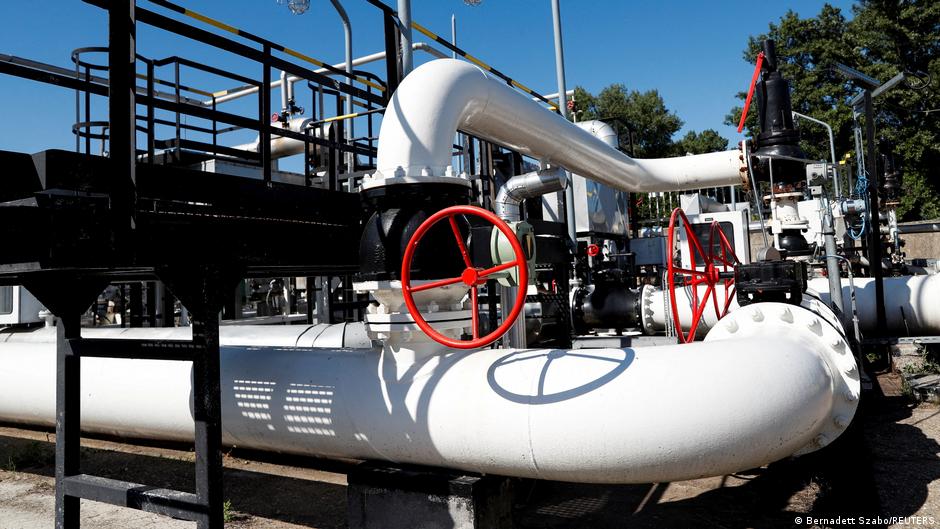
A dispute over a key oil pipeline carrying Russian crude to central Europe has escalated, with Hungary and Slovakia halting diesel supplies to Ukraine and Kyiv accusing its neighbors of “blackmail.” The disruption to oil shipments, which began in late January 2026, is creating tensions across the region and raising concerns about energy security.
The conflict centers on the Druzhba pipeline, a Soviet-era system that transports Russian crude through Belarus and Ukraine to several countries in central Europe. Inaugurated in 1964, the pipeline is one of the largest in the world, connecting oil fields in western Siberia with refineries throughout the continent.
What to Know About the Druzhba Pipeline
While capable of pumping over 2 million barrels per day, the Druzhba pipeline currently delivers a fraction of that amount, as many European nations have reduced their reliance on Russian fossil fuels following the invasion of Ukraine in February 2022. The pipeline branches into two main routes: a northern line serving Poland and Germany, and a southern line supplying the Czech Republic, Hungary, and Slovakia.
How Dependent Are Hungary and Slovakia on Russian Oil?
Hungary and Slovakia remain among the last EU customers of Russian oil, having been granted exemptions from sanctions on crude delivered via pipeline. Both countries are heavily reliant on Druzhba for their energy needs, with Moscow providing between 86% and 100% of their oil supplies.
In 2025, Slovakia received 4.9 million metric tons of crude oil via the southern section of Druzhba, while Hungary received approximately 4.35 million metric tons, according to data from the Ukrainian consulting firm ExPro, as reported by Reuters. A report from the Center for the Study of Democracy and the Center for Research on Energy and Clean Air (CREA) estimated that the two countries paid Russia around €5.4 billion (approximately $6.36 billion) for crude oil deliveries since the start of the war.
Accusations and Counter-Accusations
Shipments through the Druzhba pipeline have been suspended since January 27, 2026, after Ukraine attributed the halt to damage caused by a Russian drone attack. Ukrainian officials state that repairs are underway.
However, Hungary and Slovakia blame Ukraine for the prolonged disruption, alleging that Kyiv is deliberately blocking supplies for political reasons. Hungarian Prime Minister Viktor Orbán described the interruption as a “petroleum blockade” by Ukraine, suggesting it aims to drive up fuel prices ahead of parliamentary elections scheduled for April 12. Orbán also claimed, without providing evidence, that Ukraine has a vested interest in his electoral defeat.
Slovak Prime Minister Robert Fico has similarly stated that the cut in oil supplies is “a purely political decision aimed at blackmailing Slovakia” over its stance on the war in Ukraine. Fico threatened to suspend emergency electricity supplies to Ukraine until Kyiv reopens the Druzhba pipeline. On February 23, 2026, Hungary vetoed a proposed €90 billion ($106.11 billion) EU loan to Ukraine and blocked a new round of sanctions against Russia, drawing strong condemnation from Ukraine and EU leaders.
Ukraine’s Position and Potential Alternatives
Ukraine has consistently argued that continued energy purchases from Russia by Hungary and Slovakia are financing Russia’s war effort. Kyiv denies responsibility for the Druzhba disruption, asserting that Budapest and Bratislava should direct their complaints to Moscow. Ukraine also criticized what it described as “ultimatums and blackmail” from its two central European neighbors.
“The statements from Budapest and Bratislava are provocative, irresponsible, and threaten the energy security of the entire region,” said Ukrainian Foreign Minister Andrii Sybiha.
Ukraine has proposed alternative transit routes for oil deliveries to Europe while repairs to the Druzhba pipeline continue, including shipments through the Ukrainian petroleum transport system or a maritime route utilizing the Odesa-Brody pipeline, which connects Ukraine’s Black Sea port to the EU. The Adria pipeline, running from Croatia’s Adriatic coast into central Europe, is another potential option. While Orbán considers the Adria pipeline suitable only as an alternative route, Fico argues its capacity has never been proven and the cost could be five times higher than using Druzhba. According to CREA, eliminating Russian oil is “entirely feasible” for both Hungary and Slovakia, and the Adria pipeline “could meet their combined needs.”
(ms/el)
