
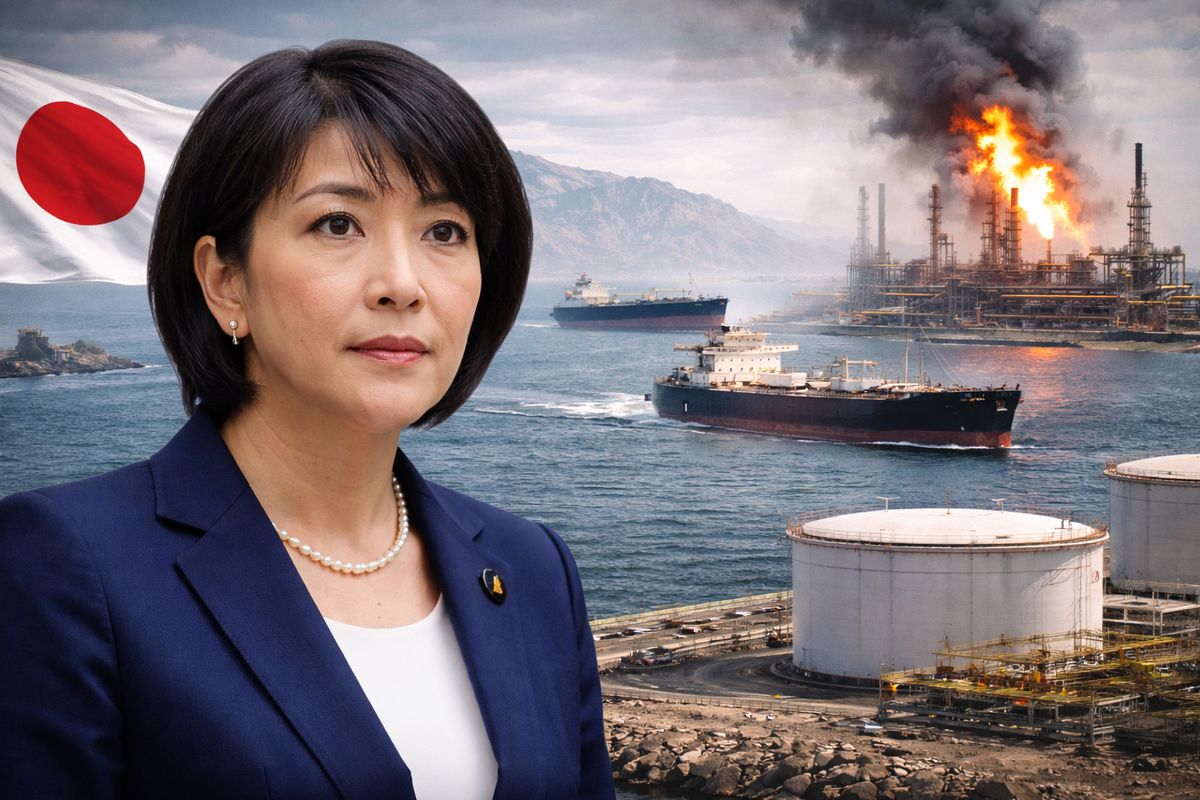
The Middle East conflict is raising concerns about potential disruptions to global energy supplies, but Japan has announced it holds sufficient oil reserves to weather a significant supply shock. The nation’s Prime Minister revealed the country possesses a 254-day strategic petroleum reserve.
HÜRMÜZ STRAIT CONCERNS
The potential for a prolonged closure of the Strait of Hormuz, a critical artery for global oil trade, is creating anxiety among energy-importing nations, particularly in Asia. Japan’s Prime Minister stated that a lengthy disruption to the strait would pose a serious threat to the Japanese economy. The Strait of Hormuz is a key chokepoint and any sustained closure could significantly impact oil prices and global trade flows.
JAPAN’S ENERGY DEPENDENCE
Japan is heavily reliant on energy imports, sourcing a substantial portion of its oil needs from the Middle East. Any interruption to shipments through the Strait of Hormuz is viewed as a critical risk to the country’s energy security. This dependence makes Japan particularly vulnerable to geopolitical instability in the region.
254-DAY RESERVE EMPHASIZED
The Prime Minister emphasized that Japan currently maintains a 254-day strategic petroleum reserve, indicating preparedness for short-term supply disruptions. However, experts caution that a prolonged disruption to global energy flows could lead to substantial price increases. The announcement aims to reassure markets of Japan’s ability to manage potential supply challenges.
Developments in the Strait of Hormuz are expected to directly impact not only regional countries but as well the global economy and energy markets. The situation underscores the interconnectedness of global energy supplies and the potential for geopolitical events to trigger market volatility.
