

The Science of Intermittent Fasting: Evaluating Its Role in Sustainable Weight Loss
Intermittent fasting has surged in popularity as a primary tool for weight management, yet recent scientific scrutiny is challenging the notion that meal timing possesses inherent “magic” properties for fat reduction. While many proponents suggest that aligning eating windows with a biological clock accelerates weight loss, some research indicates that the biological clock’s impact on fat loss may be overstated, suggesting that the results are more closely tied to overall caloric restriction than a mystical temporal effect.
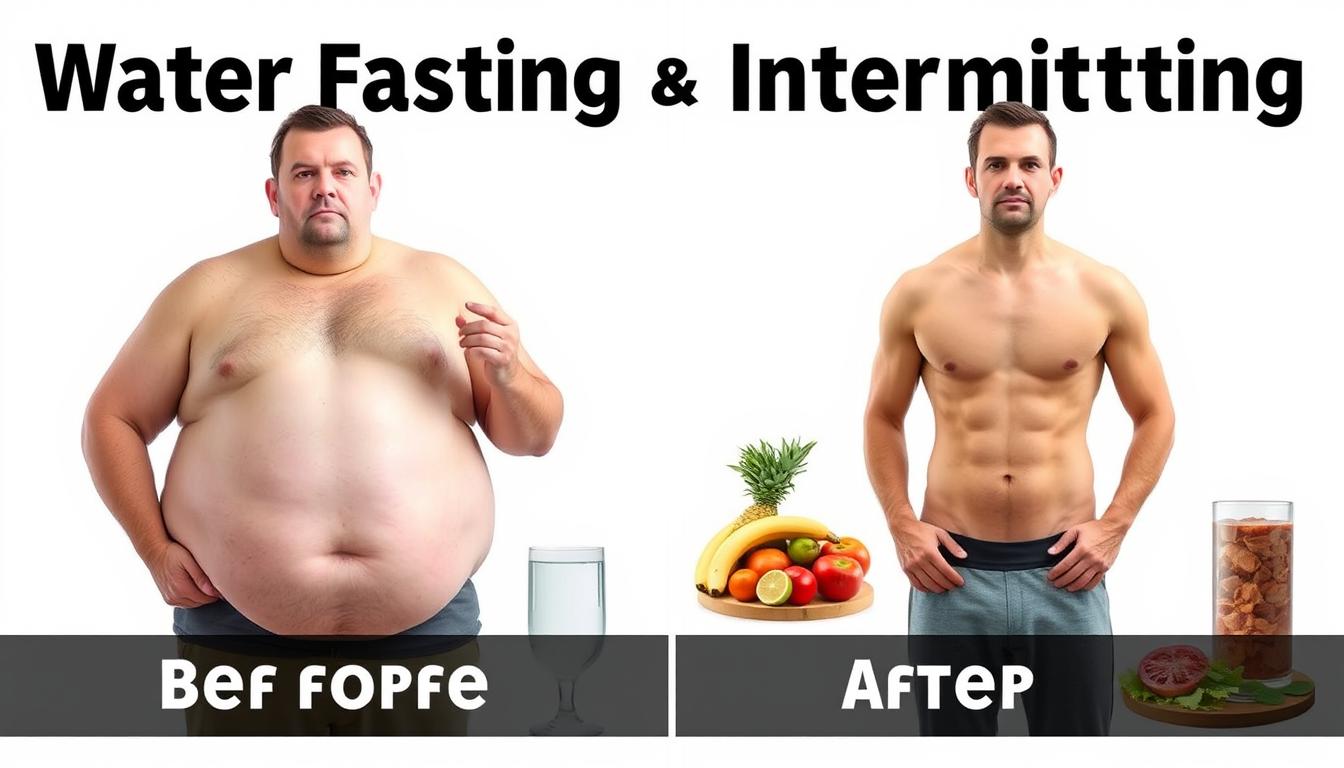
As public interest grows, health experts are analyzing various protocols to determine which are most effective. This includes the 4:3 fasting method, where individuals fast for three days a week and eat normally for four. The goal of such structured approaches is to create a sustainable caloric deficit without the psychological burden of constant dieting.
Nutritionist Jean-Michel Cohen, who holds an M.D. And PhD in nutrition from Paris Diderot University, suggests that not all fasting is created equal. Cohen, known for “The Parisian Diet” and “Savoir Maigrir,” identifies three distinct types of intermittent fasting and argues that selecting the right one is key to sustainable weight loss strategies. His approach emphasizes common sense over radical restrictions, a philosophy he has maintained throughout his career, including his previous critiques of low-carb diets like the Dukan Diet.
The broader medical community continues to place scientific analysis of weight loss effectiveness on these methods. While some find success, the central question remains whether intermittent fasting is inherently superior to traditional calorie counting or if it simply serves as a convenient framework for reducing intake.
Determining if the overall practice of intermittent fasting is a “good” habit depends largely on the individual’s health profile and ability to maintain the routine long-term. Understanding these nuances is essential for public health, as it moves the conversation away from “magic” solutions and toward evidence-based nutritional habits.
