
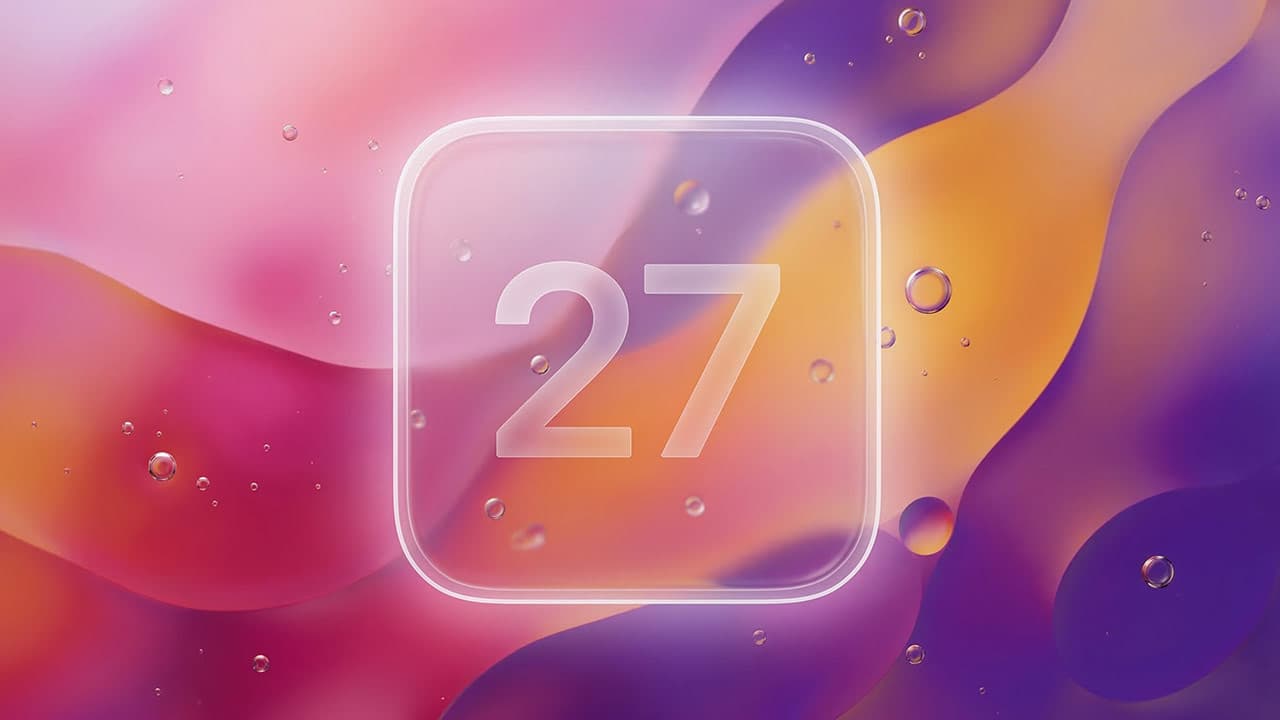
Apple Plans Interface Tweaks for iOS 27, Building on Liquid Glass Design
Apple is planning refinements to its Liquid Glass interface with the upcoming iOS 27 release, marking the first major design adjustments since a leadership change within its Human Interface Design team. The move signals the company’s continued investment in its aesthetic and user experience, key differentiators in the competitive smartphone market.
The company previewed the Liquid Glass design in June 2025, introducing it across iOS 26, iPadOS 26, macOS Tahoe 26, watchOS 26, and tvOS 26. The translucent material dynamically transforms to focus content and enhance the visual experience of controls, navigation, and app icons. According to Apple’s announcement, the design aims to establish harmony across platforms although maintaining each platform’s unique qualities.
While iOS 27’s changes aren’t expected to be as extensive as the initial Liquid Glass introduction in iOS 26, they will be significant as the first notable updates under the direction of Steve Lemay, who succeeded Alan Dye as VP of Human Interface Design last December. CEO Tim Cook stated that Lemay “has played a key role in the design of every major Apple interface since 1999” and “embodies Apple’s culture of collaboration, and creativity.”
Early reporting suggests Apple is prioritizing artificial intelligence and bug fixes alongside the interface tweaks in iOS 27. The company is too considering adding functionality to control the effects of Liquid Glass, potentially allowing users to adjust the transparency levels. Reports indicate that iOS 27 may share similarities with Mac OS X Snow Leopard, with a focus on performance and stability.
The upcoming changes arrive after reports of celebration within Apple following Dye’s departure. The interface adjustments will be closely watched as an indication of Lemay’s influence on Apple’s design direction. Sources suggest Apple is working on more detailed adjustments to the Liquid Glass effect.
