
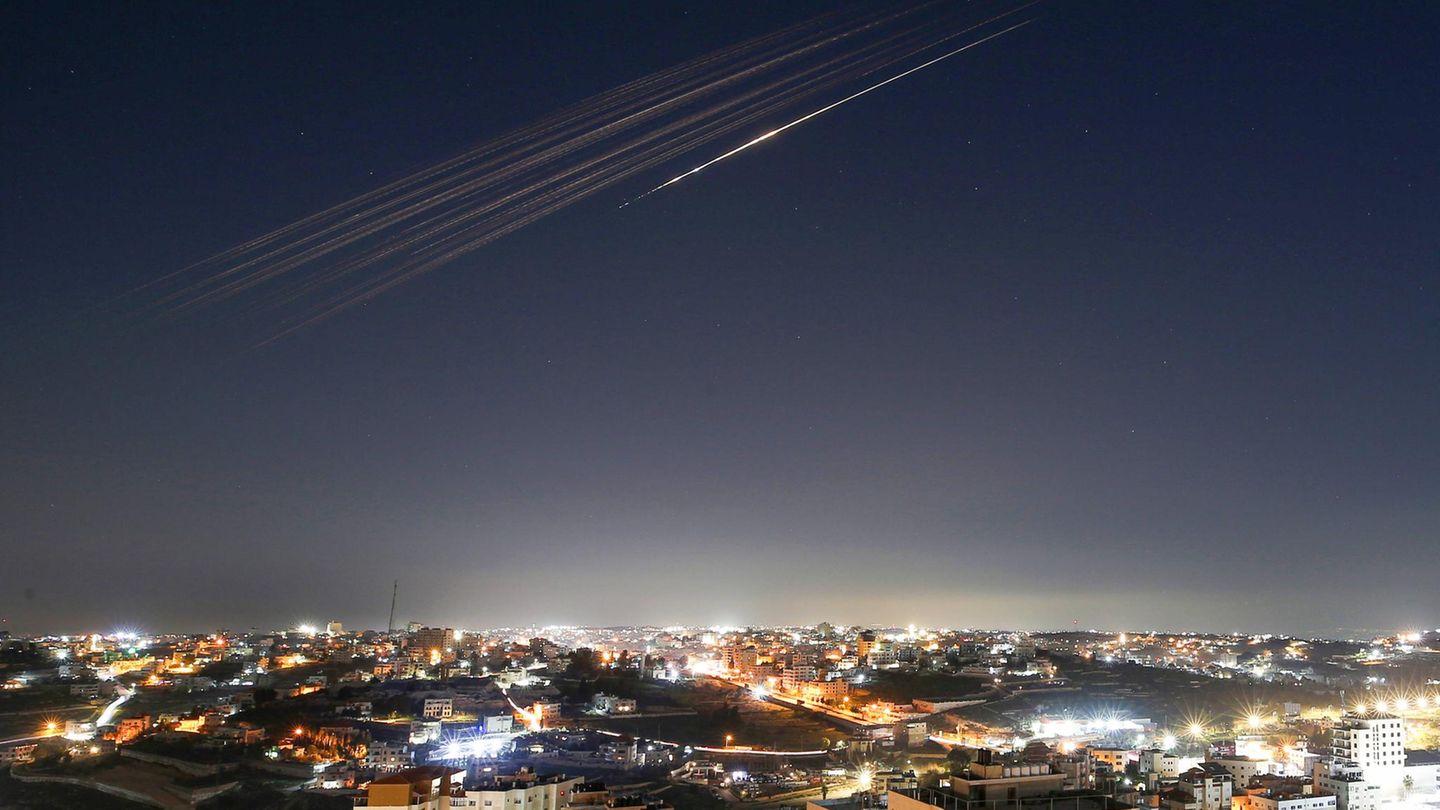
Escalating tensions in the Middle East have prompted a heightened state of alert within NATO, as member nations grapple with the fallout from recent attacks linked to Iran. On Wednesday, March 4, 2026, NATO air and missile defense systems intercepted a ballistic missile headed towards Turkey, according to reports.
The incident occurred as Iran continues to respond to recent strikes carried out by the U.S. And Israel. Iran has reportedly targeted multiple countries in the region, including the UAE, Bahrain, Oman, Kuwait, Iraq, and Saudi Arabia. Azerbaijan also reported that an Iranian drone injured two civilians on Thursday, March 5, 2026.
While Turkey claimed its NATO-operated air defenses successfully intercepted the Iranian missile, Tehran has denied firing it. NATO Secretary General Mark Rutte stated on Tuesday, March 5, 2026, that the alliance would “defend every inch of NATO territory” if necessary, but cautioned that the threshold for invoking Article 5 – the collective defense clause – remains high. CNBC reports that experts agree triggering Article 5 will require a significant escalation.
Further complicating the situation, a British airbase in Cyprus was also targeted by drones this week. The developments underscore the widening geographic scope of the conflict and the increasing risk to NATO allies.
Rutte described Iran as an “exporter of chaos” posing a “far-reaching” danger, but reiterated the alliance’s commitment to defending its members. WION notes that Iran has not yet responded to reports of the drone attacks on the British base.
Meanwhile, the U.S. Has reportedly sunk an Iranian warship far from the Gulf, according to a U.S. Middle East commander. Reuters reports that U.S. And Israeli strikes on Iran are continuing for a fifth day. The situation remains fluid, and the potential for further escalation remains a significant concern.
