
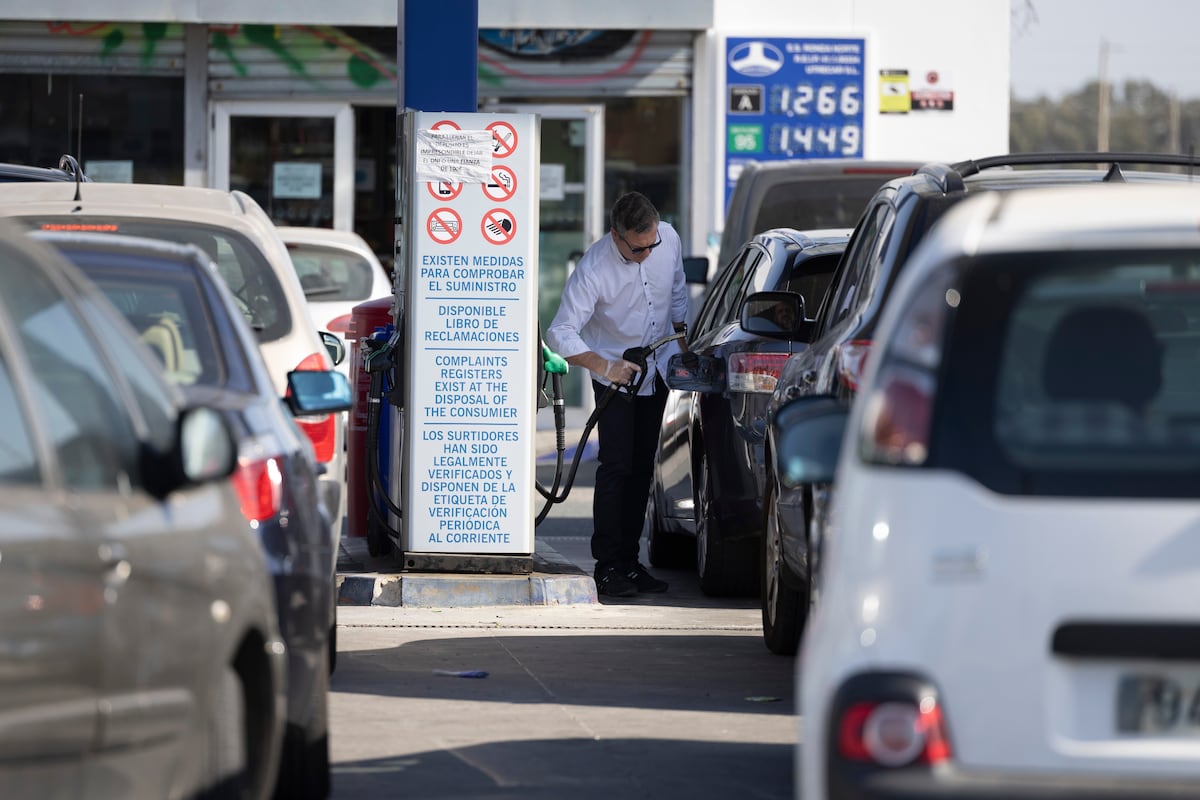
Spain is preparing for potential economic fallout from escalating conflict in Iran, with officials signaling a willingness to implement fiscal measures similar to those used during the 2022 energy crisis sparked by Russia’s invasion of Ukraine. The concern centers on rising energy prices, as the conflict impacts a strategically vital region: the Persian Gulf and the Strait of Hormuz, through which approximately 20% of the world’s oil and nearly a fifth of global gas shipments pass.
“If we see a negative effect on our economy, we are prepared to react and put the necessary measures on the table, just as we did in 2022,” Economy Minister Carlos Cuerpo said Tuesday in an interview with TVE. The ministry clarified to reporters that it is too early to discuss specific measures to support families and businesses, urging calm while the situation develops. However, officials assured that they will not remain passive if conditions worsen. The Finance Ministry confirmed that no specific initiatives are currently being developed, but any plan would include a fiscal component, mirroring the approach taken in 2022.
In 2022, Russia’s invasion of Ukraine triggered a severe crisis in the supply of raw materials – including agricultural products, critical metals, and energy – exposing the strategic vulnerabilities of the European continent and leading to the worst inflationary spiral in decades. Price increases in Spain exceeded 10%; gas reached record highs of over 300 euros per megawatt-hour (MWh), and electricity prices peaked above 400 euros/MWh in the wholesale market. The government responded with a series of anti-crisis packages to cushion the impact on households and businesses.
The aid approved that year alone totaled 22 billion euros. Measures included caps on rent increases and increases to the minimum income, but the bulk of the support focused on the energy sector and tax reductions, leading then-Finance Minister María Jesús Montero to defend it as “the largest tax cut” by any government. These initiatives included reductions in value-added tax (VAT) on electricity bills and basic food items, cuts to the special tax on electricity, suspension of the electricity generation tax, fuel subsidies, and transportation assistance. Professional road transport associations have already called on the government this Tuesday to have a support plan ready for urgent activation if the situation deteriorates.
The government has stated it is monitoring electricity and fuel prices, as well as potential repercussions for transportation and logistics, and the food sector. Inclusion, Social Security and Migration Minister Elma Saiz also noted in a press conference following the Council of Ministers meeting that Spain’s direct exposure to the conflict in the Middle East is “low.” However, the government spokesperson cautioned against complacency given the high level of international uncertainty, warning that the final impact will largely depend on the duration of the conflict.
Agriculture, Fisheries and Food Minister Luis Planas agreed, stating that it is still too early to assess the full extent of volatility in energy markets, despite significant price increases in recent hours. Saiz emphasized that Spain’s diversified energy mix and sources of crude oil and gas supply put it in a less vulnerable position than in previous crises. Planas added that even though the situation is not yet as severe as at the start of the war in Ukraine, any disruption in energy costs will ultimately affect the agri-food chain, particularly through fertilizers and transportation.
Both ministers highlighted the government’s constant monitoring of the situation, allowing for real-time analysis of the potential impact of rising energy costs on consumers, industries, and businesses, with the goal of evaluating the need for a support package. Planas insisted that the government will act based on how events unfold in the coming days.
Regarding food markets, the minister ruled out intervening in prices at this time, despite calls from some coalition partners, as no direct impact has yet been observed. However, he defended the government’s demonstrated ability to adapt its response to each circumstance, a sentiment echoed by Saiz, who affirmed that Spain is better prepared to face scenarios of instability like the current one.
Second Vice President and Labor Minister Yolanda Díaz also stated Monday that the government will capture necessary measures to mitigate potential negative economic effects from the conflict, if needed. “Wars translate into economic and social reality,” Díaz indicated after presenting a complaint box for interns, “and hopefully nothing happens, but if it does, we will take measures to protect the workers of our country.” Within her purview, this refers to measures already deployed in response to other crises, such as prohibiting layoffs resulting from the war, providing more favorable conditions for temporary layoff schemes (ERTE), and activating the Red Mechanism (similar to ERTE for crisis management).
