
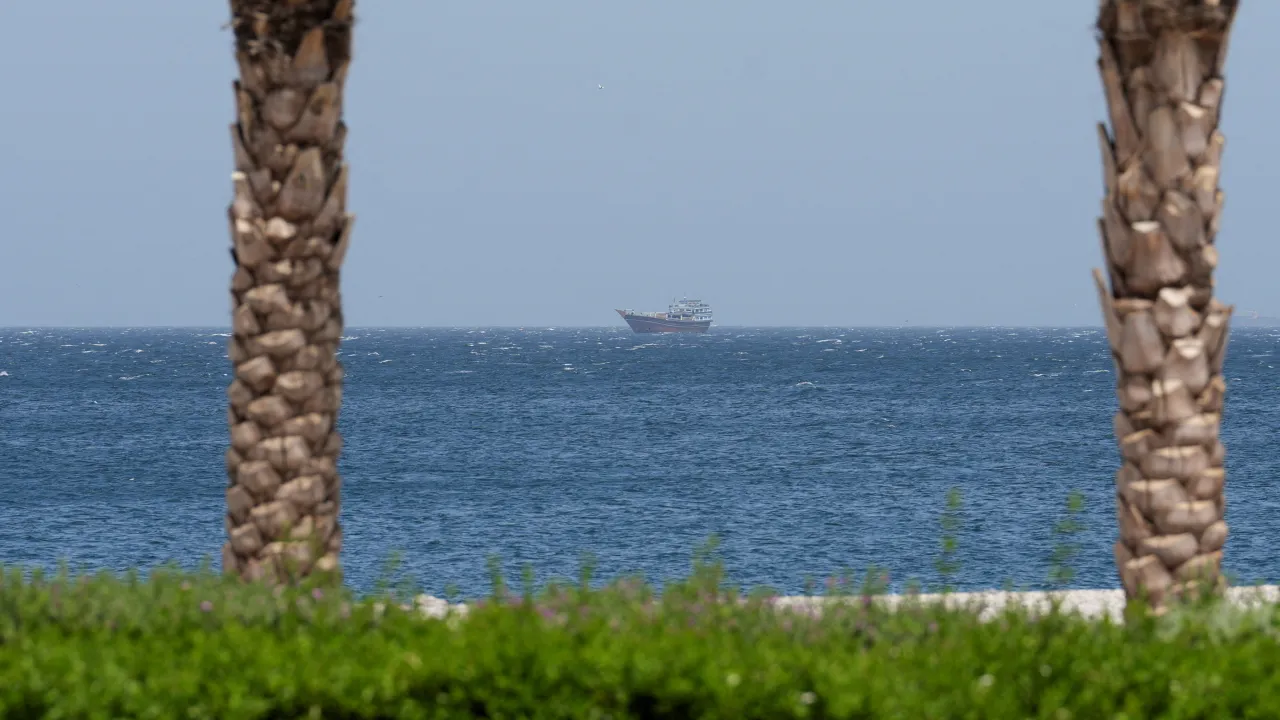
Iran Blocks Strait of Hormuz Tankers, Citing Israeli Ceasefire Violations
Tensions escalated in the Persian Gulf on April 8, 2026, as Iran halted oil tanker traffic through the Strait of Hormuz, alleging that Israel breached a recently established two-week ceasefire. The move underscores the precarious nature of regional diplomacy and Iran’s continued ability to disrupt one of the world’s most critical maritime arteries.
The ceasefire, brokered by Pakistan between the United States and Iran, was designed to ensure the unrestricted flow of shipping through the strait. However, according to reports from the Fars news agency, Iran stopped tankers on Wednesday afternoon after claiming Israel violated the terms of the agreement. Tehran specifically pointed to the detection of an Israeli drone in southern Iran and ongoing Israeli military operations in Lebanon as justifications for the stoppage.
The situation presents a conflicting narrative between Tehran and Washington. White House spokesperson Karoline Leavitt stated that Iran had assured the U.S. That transit through the strait was permitted. However, Leavitt acknowledged a discrepancy between Iran’s private assurances and its public actions, admitting it might take some time before ships actually begin moving through the waterway again. The White House maintains that the route is open, despite contradictory reports on the ground.
President Donald Trump stated that the United States would agree to a two-week suspension of strikes against Iran on the condition that the Strait of Hormuz is opened immediately. Trump noted that U.S. Forces would remain in the region to ensure operations proceed smoothly, suggesting that the resolution of the blockade would lead to significant economic gains.
Despite the diplomatic efforts, Iran appears determined to maintain its role as the primary regulator of the strait. While a few vessels managed to transit the waterway on April 8, 2026, before the stoppage, the Iranian navy has since warned that ship owners must obtain explicit permission to pass or risk being attacked and destroyed. Iranian Foreign Minister Abbas Araghchi clarified that any transit, even during the ceasefire, is contingent upon coordination with Iranian armed forces.
Industry experts suggest that the ceasefire has not fundamentally altered the power dynamics in the region. Richard Meade of Lloyd’s List noted that because ships must still essentially request permission to pass, Iran remains in full control of the situation. The ability to paralyze the strait provides Tehran with significant leverage, allowing it to influence global oil prices and international economic stability.
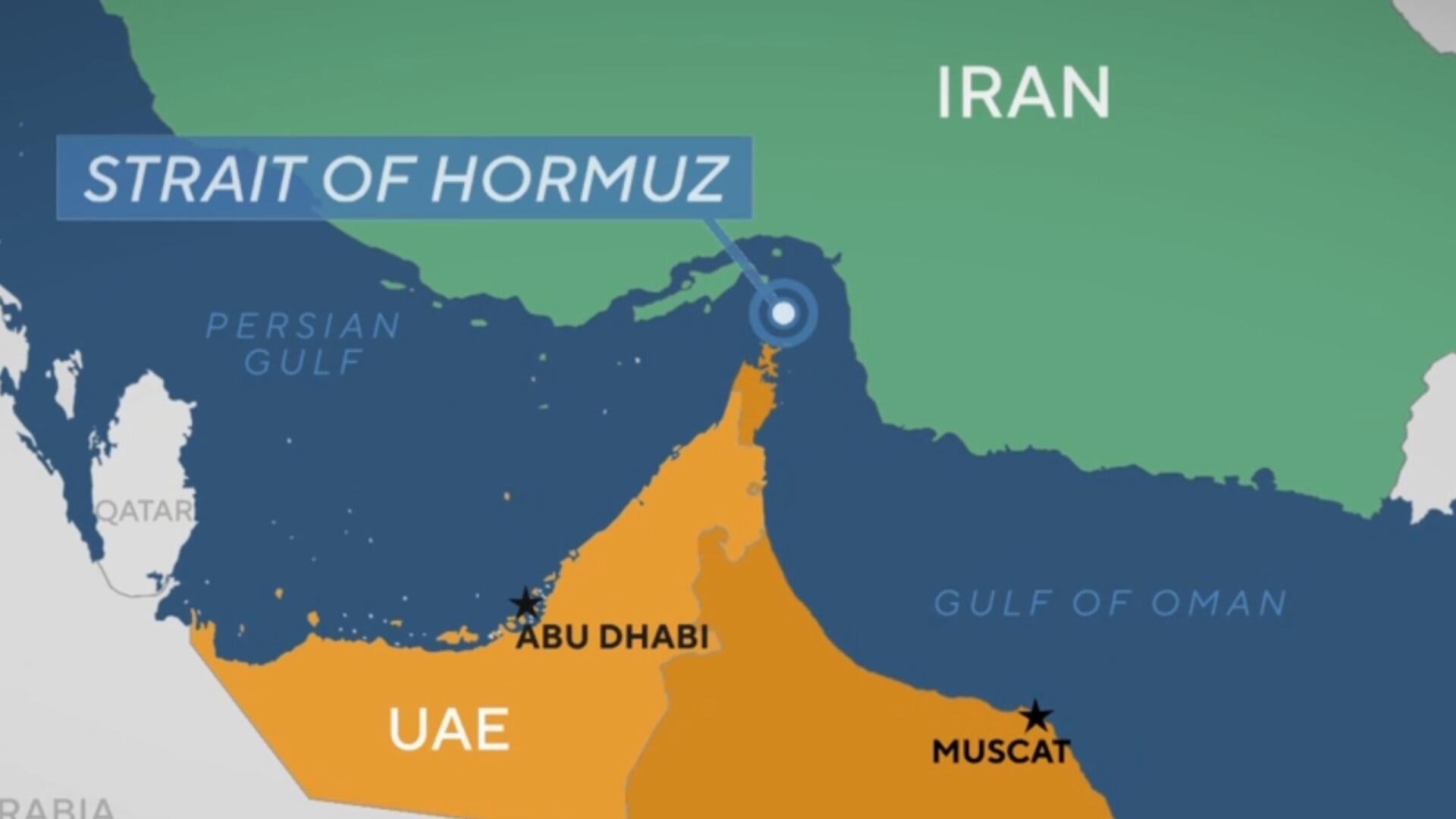
Further complicating the maritime situation is a plan reported by the Tasnim agency, indicating that Iran and Oman intend to implement transit fees for ships using the strait. These funds are reportedly earmarked for the post-war reconstruction of Iran. This claim is supported by the geographical reality that a large portion of the strait falls within Iranian territorial waters.
The regional instability remains high, as Gulf states have reported continued attacks from Iranian forces, even as the two nations attempt to navigate the terms of the Pakistani-mediated truce. Iran’s decision to halt tankers serves as a stark reminder of the volatility in the region and the fragility of current ceasefire agreements.
Shipping industry representatives warn that while some vessels have begun to move, a full and stable reopening of the strait could take several weeks.
