

U.S. Fighter Jet Shot Down as Iranian Strikes Target Gulf Energy and Water Infrastructure
Regional volatility has reached a critical peak following a series of Iranian military actions across the Persian Gulf, highlighted by the downing of a U.S. Aircraft and targeted strikes on essential civilian infrastructure. The escalating conflict is now threatening global energy stability and the basic survival needs of Gulf nations.
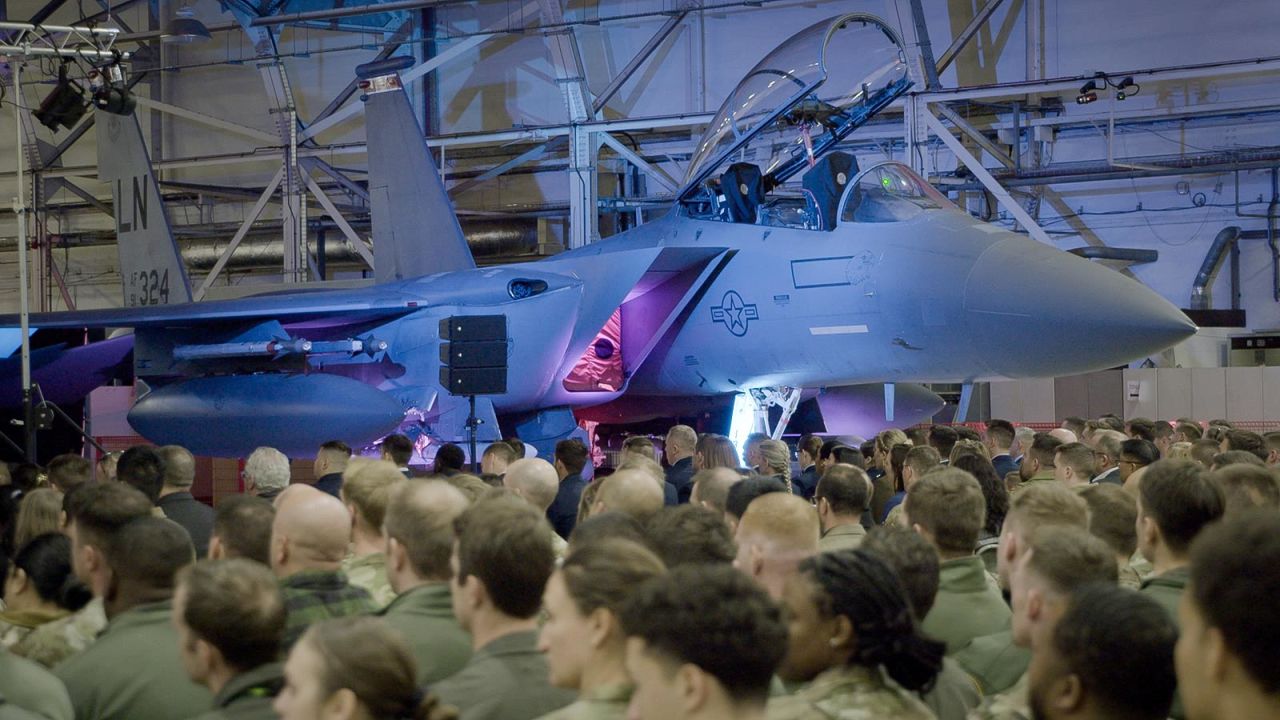
In a significant escalation of aerial hostilities, a U.S. F-15E fighter jet was shot down over Iran. While the aircraft was lost, reports indicate that one of the pilots was successfully rescued. This incident follows a period of mounting casualties for U.S. Forces in the region; the U.S. Military previously announced that six soldiers had been killed in operations against Iran as of March 2, 2026.
The human cost extended to support personnel on March 6, 2026, when a Major in the U.S. Army National Guard’s 42nd Infantry Division died while on a support mission at Camp Biringen in Kuwait. The deceased, who also served as an officer with the New York City Police Department, reportedly passed away due to illness during the deployment.
Beyond military targets, Iran has launched a campaign against critical Kuwaiti infrastructure. A Kuwaiti oil refinery was set ablaze following a drone attack. Even more critical was the strike on March 30, 2026, targeting the Doha West power plant and its integrated seawater desalination facility. The attack killed one Indian worker and posed a severe threat to the national water supply, as Kuwait relies on desalination for 90% of its drinking water.
Maritime corridors have also become battlegrounds. Iranian forces attacked an oil tanker in waters near the United Arab Emirates, while a Kuwaiti oil tanker bound for Qingdao was similarly targeted, though no crew injuries were reported. These persistent assaults on energy facilities have sent shockwaves through global markets, pushing oil prices toward the $120 per barrel mark.
The development underscores a dangerous regional spiral that could destabilize global energy supplies. On March 31, 2026, Qatar called for an immediate de-escalation and an end to the war, noting a consistent position among Gulf states to lower tensions. In contrast, Iranian authorities have defended their actions, claiming their operations are specifically aimed at U.S. Interests within the region.
