
Washington D.C. – The United States and Iran remain locked in a tense standoff, with President Donald Trump issuing conflicting signals about the future of U.S. Involvement in the region. The situation is further complicated by escalating rhetoric and troop deployments, raising concerns about a potential widening of the conflict. This comes as regional instability continues to be a major concern for global markets and international security.
On Friday, March 20, 2026, President Trump indicated he was considering a potential “winding down” of operations in Iran, while simultaneously suggesting increased military pressure. This mixed messaging has fueled uncertainty about the administration’s strategy, according to reports from the Associated Press.
The ambiguity follows a recent ultimatum issued by the President, demanding that Iran reopen the Strait of Hormuz within 48 hours, threatening to “hit and obliterate” Iranian power plants if the demand is not met. Fox News reported on this development, highlighting the escalating tensions.
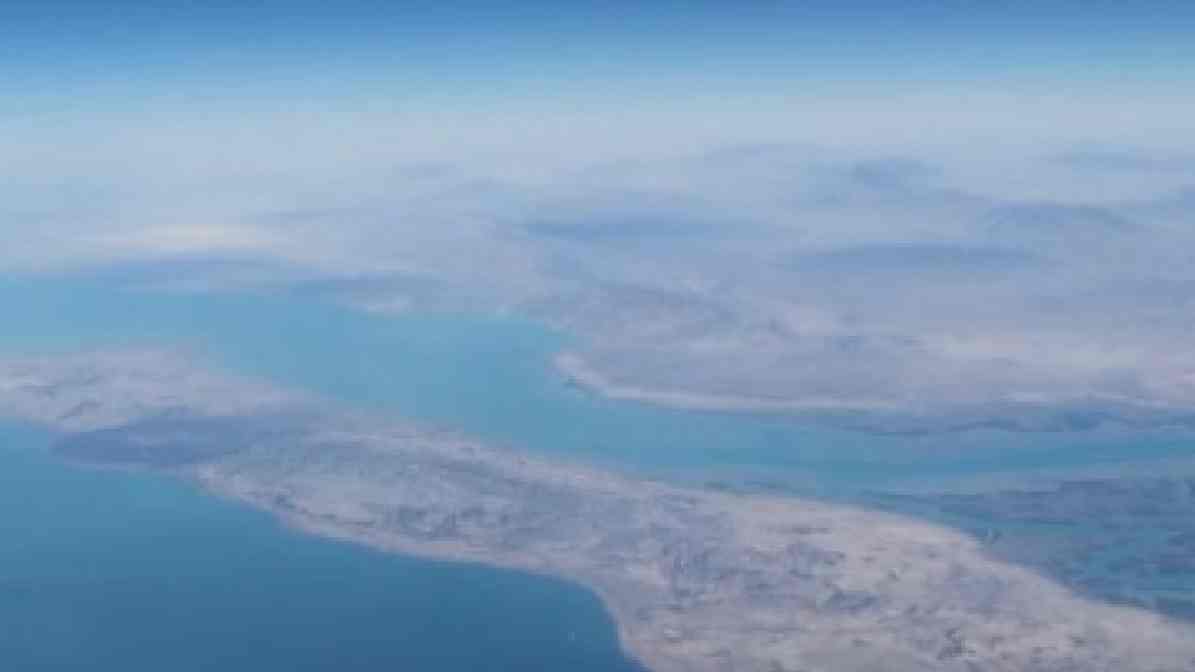
Adding to the complexity, reports suggest the U.S. Is considering deploying approximately 5,000 additional troops to the region, potentially with an eye toward seizing the strategic island of Qeshm. This move, if confirmed, could significantly escalate the military presence in the area, according to reports from Mathrubhumi.
Meanwhile, Iranian officials have dismissed Trump’s threats and warned that any attack on their infrastructure would be met with a response targeting the United States and its allies. Samayam Malayalam reports that Iran has stated it would retaliate by targeting the water supplies of the U.S. And its allies.
The situation is further complicated by concerns that Iranian missiles could reach European targets, as highlighted by Israeli Prime Minister Benjamin Netanyahu, Indian Express – Malayalam reported.
The conflicting messages and escalating actions underscore the precariousness of the situation and the potential for miscalculation. The development underscores growing regional tensions and could have far-reaching consequences for global stability.
