
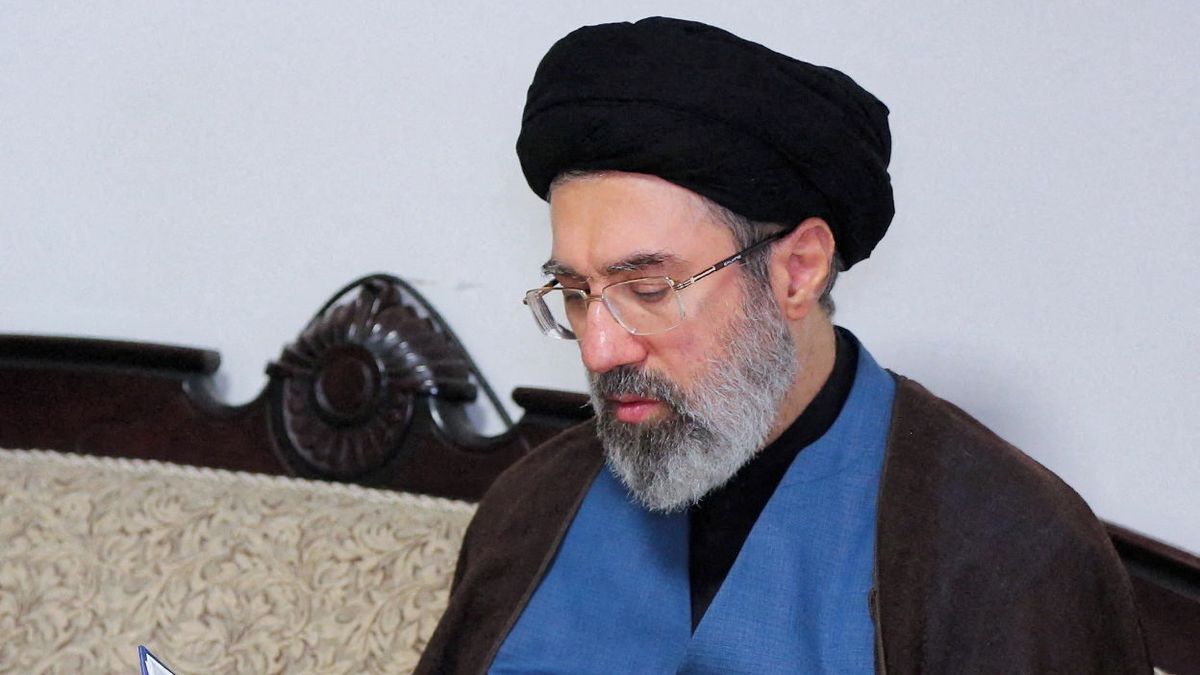
Iran’s Assembly of Experts has appointed Mojtaba Khamenei as the country’s new Supreme Leader, following the death of Ayatollah Ali Khamenei on Saturday, February 28, during U.S. And Israeli strikes. The move comes amid heightened tensions in the Middle East and a direct warning from former U.S. President Donald Trump regarding the new leader’s legitimacy.
The 88-member Assembly of Experts announced the decision, stating that Ayatollah Mojtaba Khamenei was chosen after a vote by its respected members. The assembly simultaneously called for national unity and allegiance to the new Supreme Leader. This appointment marks a significant transition in Iranian leadership, as the Supreme Leader holds the most influential position in the country, shaping policy from foreign affairs to social issues.
The selection of Mojtaba Khamenei had been anticipated, with Assembly of Experts member Hoseinali Eshkevari announcing hours before the official confirmation that “Khamenei’s name will continue as the leader of Iran.” The current conflict in the Middle East began with the American and Israeli attacks on Iran, prompting retaliatory strikes by Iran targeting Israel, U.S. Bases, and other locations in the Persian Gulf region.
Unlike his father, Mojtaba Khamenei has largely remained out of the public eye. According to BBC News, he has never held a government position, delivered public speeches, or granted interviews. However, he will now oversee the Iranian Revolutionary Guard and play a key role in determining the country’s military strategy.
Prior to the attack on Iran, Mojtaba Khamenei was already considered a potential candidate for the position of Supreme Leader. The appointment follows a threat from former President Trump, who stated that the next leader of the Islamic Republic “won’t last long” if the United States does not approve of the selection.
Held Back From Public Life
Mojtaba Khamenei was seen as a possible successor even before the recent escalation of conflict. The development underscores growing regional tensions and the potential for further instability in the Middle East. The new Supreme Leader’s lack of public profile raises questions about the future direction of Iranian policy and its engagement with the international community.
Among other potential candidates considered were 53-year-old Hasan Khomeini, the grandson of the founder of the Iranian Revolution, Ruhollah Khomeini, and influential Shia cleric Sadeq Larijani.
