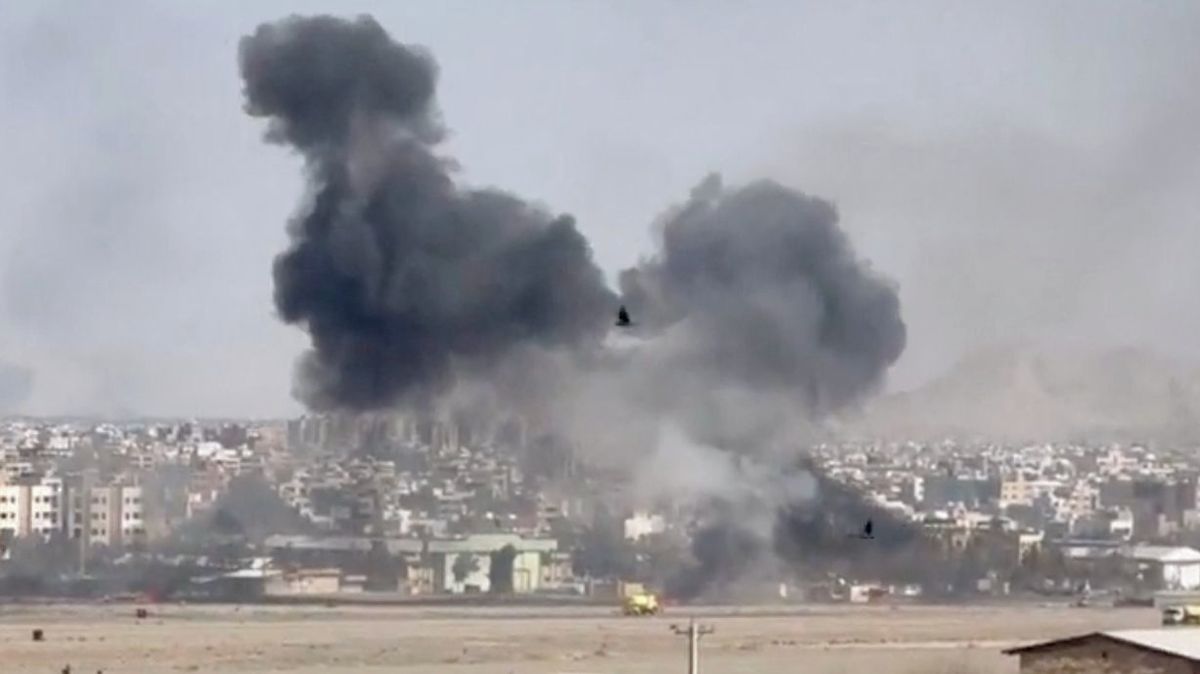
U.S. Intelligence agencies believe Iran may be able to access a stockpile of highly enriched uranium buried at a nuclear facility in Isfahan, raising fresh concerns about Tehran’s nuclear capabilities.
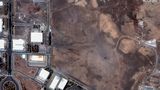
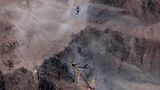
Satellite imagery reveals extensive earthworks near tunnel entrances at the Isfahan facility, suggesting Iran is attempting to reach the uranium, which was buried following U.S. Strikes during a 12-day conflict last year.
The potential retrieval of the uranium, which could be a critical component in the development of nuclear weapons, comes as U.S. Officials estimate Iran possesses approximately 440 kilograms of uranium enriched to 60 percent. To reach weapons-grade status, uranium must be enriched to 90 percent.
Access Point Identified
According to U.S. Intelligence, a “very narrow access point” now exists through which the uranium could potentially be retrieved. American spy agencies are constantly surveilling the Isfahan facility and believe they would detect any attempt to relocate the enriched uranium, officials said.
The discovery raises questions about the effectiveness of last year’s strikes, which were intended to bury the uranium stockpile and render it inaccessible. Following the 12-day conflict between the U.S. And Israel and Iran, President Donald Trump stated that Iran’s nuclear program had been eliminated, a claim that was quickly disputed.
U.S. Officials have been debating options for securing the uranium for several weeks, but a military operation to retrieve it has not been ruled out. President Trump indicated on Saturday, March 7, 2026, that sending ground troops into Iran to secure the stockpiles was a possibility, stating, “At some point maybe we will. That would be a great thing.”
However, Trump also suggested that such an operation was not currently planned, adding, “We haven’t gone after it but it’s something we could do later.”
Officials familiar with the situation say further air strikes may be necessary to weaken Iran’s defenses before any potential operation to secure the uranium could be considered.
Past Considerations
The possibility of a special forces operation to target Iranian nuclear facilities has been discussed for years. According to reports, former Israeli Prime Minister Ehud Barak presented a similar plan to the Obama administration, which was deemed “insane.”
U.S. Central Command (CENTCOM) has also reportedly prepared plans for temporarily occupying these facilities, though numerous challenges remained. Experts suggest that bombing the facilities, as was done last year, remains the most effective approach.
Last year’s strikes utilized heavy bunker-buster bombs in Natanz and Fordó, where Iran housed numerous uranium enrichment centrifuges. However, the Isfahan facility was targeted with Tomahawk missiles, which lack the capability to penetrate deep underground. The Isfahan site contains a research reactor where uranium could be converted into metallic form, a crucial step in the production of a nuclear weapon.
Intelligence suggests Iran likely moved the highly enriched uranium to Isfahan before the June 2025 attacks and subsequently buried the entrances.
Shifting Priorities
This year, U.S. And Israeli attacks have focused on destroying ballistic missiles and Iran’s command and control networks. While ballistic missiles are essential for delivering nuclear weapons, the large quantity of enriched uranium remains a significant concern.
Israeli Prime Minister Benjamin Netanyahu stated on Saturday that the decision to initiate war with Iran was partly motivated by the country’s efforts to move its nuclear and missile projects so deep underground that they would be “immune to any attack.”
Netanyahu reportedly urged the U.S. President to authorize an attack. Trump was persuaded after concluding that intelligence reports were accurate and that diplomatic efforts had failed, according to reports.