
Fuente de la imagen, Getty Images
-
- Autor, Lyse Doucet
- Título del autor, Corresponsal internacional en BBC News
- Informa desde, Teherán
-
Tiempo de lectura: 7 min
Iran is facing its biggest challenge since the 1979 revolution, as celebrations for the 47th anniversary of the revolution were punctuated by calls for change.
As the clock struck nine Tuesday evening in Tehran, the night sky filled with the sounds of celebration marking the anniversary. From a hotel balcony, the sounds of “God is great” echoed from rooftops and windows, accompanied by a vibrant display of fireworks.
But this year’s festivities were shadowed by dissent. Amidst the celebratory noise, cries of “Death to the dictator” could be heard from within the city, a stark reminder of the widespread protests that swept through Tehran and other cities last month.
Those demonstrations were met with an unprecedented level of force and resulted in significant loss of life, a level of violence not seen in previous uprisings.

Fuente de la imagen, EPA
The Atmosphere in Tehran
This marks the first visit to Iran since the protests, as authorities slowly lift a near-total internet shutdown – described as one of the longest digital blackouts in history – and gradually allow a small number of international media outlets to return.
The atmosphere in the capital stands in stark contrast to a visit last June, following the end of a 12-day war with Israel that also included attacks by the United States on Iranian nuclear facilities.
That deadly conflict left many residents, including those who fled Tehran for safer cities, shaken and reinforced their attachment to their country.
Now, the expanding metropolis, set against the backdrop of the snow-capped Mount Damavand, is adorned with flags and garlands to mark what is known as “Ten Days of Dawn.”
In 1979, this period ushered in a historic revolution that overthrew the Shah, fundamentally transformed Iran, and created a radical “axis of resistance” among its allies throughout the region, which has long been condemned and confronted by its enemies.
This year, the days are overshadowed by discontent and defiance, particularly over rising prices of everyday goods impacting people’s pockets, and following calls that resonated in the streets last month to end the clerical regime.
These domestic pressures, compounded by warnings from U.S. President Donald Trump of further military strikes should diplomacy fail, now represent an unprecedented challenge to Iran’s aging theocracy.

The Response to the Protests
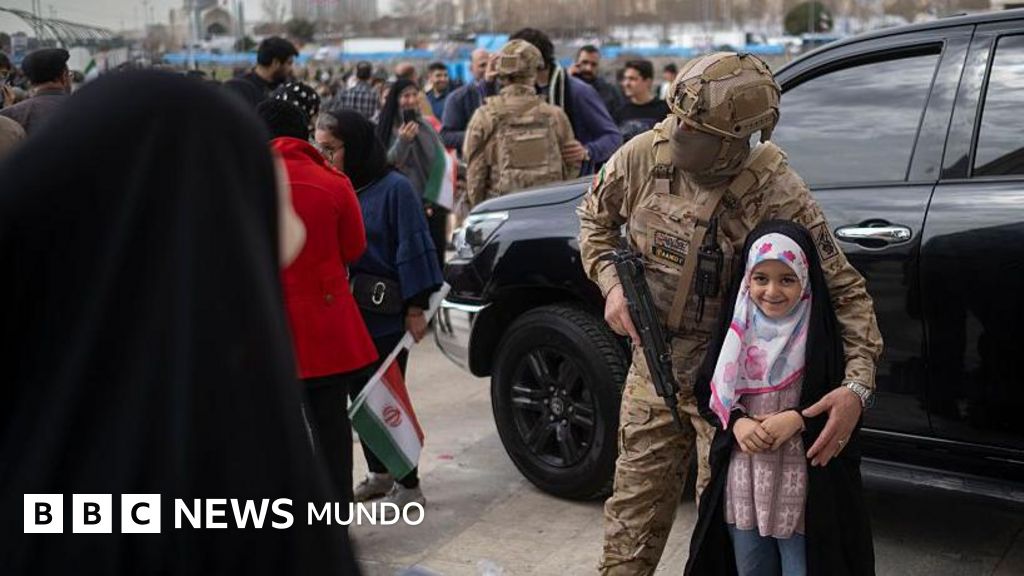
On Wednesday, the final day of these commemorative events, the streets of the capital and other major cities were flooded with the government’s most loyal soldiers, a political response to the protests.
There was a festive atmosphere on this public holiday as families marched and strolled under the warm winter sun.
Children and adults waved Iranian flags and photographs of the Supreme Leader, Ayatollah Ali Khamenei, chanting their signature slogans of “Death to America” and “Death to Israel.”
“For me and for all Iranians, the revolution means a rebirth; novel life was breathed into our society and country, and I believe even in the Islamic world and the whole world,” exclaimed a smiling young woman who, like many women participating in the demonstration, wore a long black veil.
When asked about the unrest, she responded, “There were people protesting who were dissatisfied with the economic situation and their protest was legitimate.”
But she added, “those who rioted and caused chaos had intentions that came from beyond our borders.”

Fuente de la imagen, Iranian Presidency/WANA/Handout via REUTERS
Anger and Grief
Speaking from a raised stage in Tehran’s iconic Azadi (Freedom) Square, Iranian President Masoud Pezeshkian echoed that sentiment to an emotional crowd.
He blamed the “malicious propaganda” of Iran’s enemies – generally code terms for the United States and Israel – for fueling the discontent he described as unrest.
But the senior official, considered a reformer who has attempted to adopt a conciliatory tone since the start of the protests, also apologized for the government’s shortcomings.
“We are ready to listen to the voice of the people,” he emphasized.
He said they were doing “everything possible” to address the problems – for him, that refers to the collapse of the currency and the cost-of-living crisis that triggered a strike by merchants on December 28, which escalated into something much larger.
Within Iran’s clerical system, true authority resides higher up, with the 86-year-old Supreme Leader. He and the head of the judiciary have promised no leniency for individuals labeled as terrorists and rioters.
The day before, on our first day in Tehran, we passed through Enghelab (Revolution) Square on a gray and rainy day, attempting to gauge the atmosphere.
Striking murals painted in bright colors and depicting smiling crowds dominate the facades of buildings around this busy roundabout.
But a dark shadow seemed to hang over this space. Some Iranians, hurrying about their day, hesitated to speak.
One woman told us it was “too dangerous” to speak with a journalist at this time.
Many others, when asked an open-ended question about their main concern, paused briefly before unleashing their anger and grief.

Fuente de la imagen, Anadolu via Getty Images
The emotion was raw, palpable, after all that has happened here.
Raha burst into tears. “It’s been a month since I’ve eaten and slept well. Look at me, I’m young, I’m only 32, why should I be so devastated and depressed?” she cried.
“I swear they keep saying those who protested were rioters. But the people were not armed. What was their sin?” she questioned.
Dori, 20, and wearing glasses, who like some women no longer wears the mandatory hijab, reflected on how “last month was terrible.”
“After internet connections were restored, we saw so many horrible videos and photos of people being attacked, it made us cry,” she explained.

Fuente de la imagen, WANA via REUTERS
For Akhtar, 62, who wore a pink headscarf and spoke with fierce emphasis, there were two concerns. “So many young people were killed,” she lamented first.
Then she expressed the anguish we heard from so many Iranians about the growing hardships in their daily lives. “The price of cooking oil has quadrupled. Meat and chicken the same. And unemployment is so high,” she exclaimed.
Many of those we spoke with, when asked what message they had for the leaders now, responded like Amir, 20. “I feel they should listen to our voices.”
Beside him stood his friend Amir, 19, who was visibly upset. “I just wish our basic needs and freedoms.”
But even alleviating economic hardship, magnified by water and electricity shortages, is intertwined with decades of crippling international sanctions and distrust over Iran’s nuclear ambitions, as well as chronic corruption and mismanagement.
The Islamic Republic of Iran now stands at a crossroads, facing its most significant tests since its own uprising nearly half a century ago.
The BBC’s chief international correspondent, Lyse Doucet, reports from Tehran on the condition that none of her material be used by the BBC Persian Service. These restrictions apply to all international media organizations operating in Iran.

Subscribe here to our new newsletter to receive a selection of our best content each Friday.
